
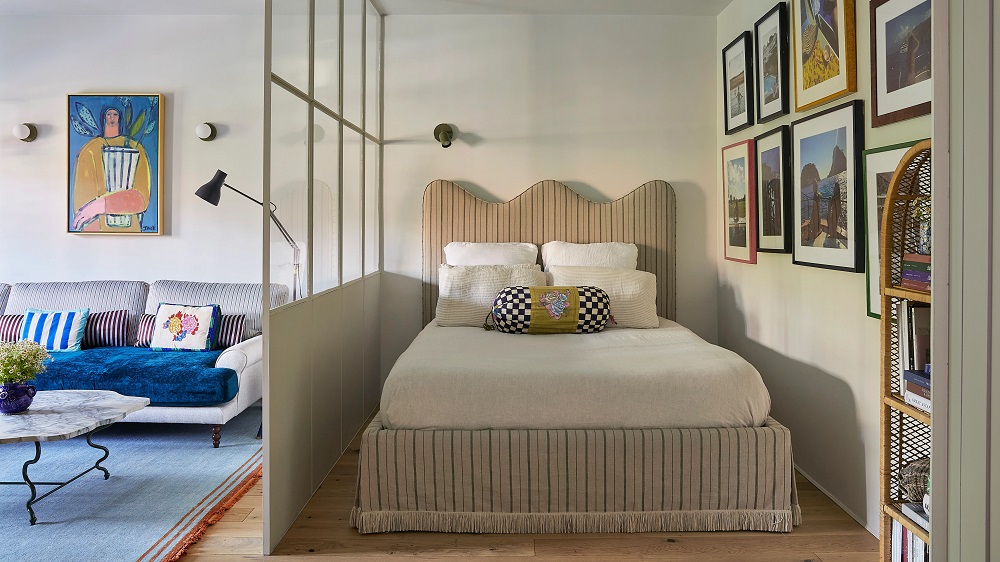
A relaxing bedroom does not require expensive renovations or designer furniture. Small, thoughtful changes can significantly improve comfort, sleep quality, and mental calm. By focusing on lighting, textures, organization, and atmosphere, you can transform your bedroom into a peaceful retreat without stretching your budget.
Below are practical, affordable upgrades that deliver noticeable improvements quickly and effectively.
Improve Lighting For a Calmer Atmosphere
Lighting strongly influences how relaxed a bedroom feels. Harsh white lights often create tension rather than comfort. Switching to softer illumination instantly changes the mood of the space.
Low cost lighting improvements include:
- Replacing cool white bulbs with warm white bulbs
- Adding a small bedside lamp instead of relying on overhead lights
- Using string lights behind the headboard
- Installing a dimmable bulb where possible
Layered lighting helps signal the brain that it is time to unwind. Even one warm lamp can make the room feel noticeably calmer.
Upgrade Bedding Without Replacing Everything
Comfort begins with the bed. However, improving bedding does not require buying a new mattress or expensive sets.
Instead, consider:
- Adding a breathable cotton bedsheet
- Using one extra pillow for back support while relaxing
- Layering a lightweight blanket at the foot of the bed
- Choosing neutral or soft color tones
Texture matters more than price. Even simple cotton layers can improve comfort significantly.
Declutter Visible Surfaces
Clutter quietly increases stress levels. A cleaner bedroom often feels more peaceful immediately.
Start with small actions such as:
- Clearing bedside tables
- Removing unused items from the floor
- Keeping only essentials near the bed
- Organizing cables and chargers
A tidy environment helps the mind settle faster before sleep.
Rearrange Furniture For Better Flow
Sometimes relaxation improves simply by changing layout rather than buying anything new.
Try these adjustments:
- Position the bed where it feels most stable and balanced
- Keep walking paths open
- Avoid blocking windows
- Create space beside the bed for easy movement
Even minor rearrangements can improve comfort and visual calm.
Add Soft Textures Around the Room
Soft materials make a room feel warmer and more welcoming.
Affordable additions include:
- A small bedside rug
- Light curtains instead of heavy blinds
- A throw blanket on a chair
- Cushion covers in calming tones
These elements absorb sound and create a peaceful atmosphere.
Use Relaxing Colors Strategically
You do not need to repaint the entire room to introduce soothing colors.
Instead, introduce calming shades through:
- Pillow covers
- Bedsheets
- Curtains
- Wall prints
- Lampshades
Relaxing color choices include:
- Soft beige
- Light grey
- Pastel blue
- Muted green
- Warm white tones
Color quietly shapes emotional comfort inside a bedroom.
Introduce Gentle Natural Elements
Nature has a strong calming effect on the human mind. Even one small plant can improve the feeling of freshness inside the room.
Budget friendly ideas include:
- A small indoor plant near the window
- A simple ceramic planter
- A dried flower arrangement
- Natural wooden accessories
Low maintenance plants are especially helpful for beginners.
Control Noise and Outside Distractions
Noise interruptions affect relaxation more than most people realize.
You can reduce disturbance by:
- Adding thicker curtains
- Using a small fabric rug
- Closing gaps near windows
- Keeping electronic devices away from the bed
A quieter bedroom helps the body prepare naturally for sleep.
Create a Dedicated Relaxation Corner
Even a small bedroom can include a simple comfort zone.
You can create one using:
- A chair with a cushion
- A floor mat near the window
- A reading lamp
- A folded blanket nearby
This space encourages calm activities such as reading or stretching before bedtime.
Keep Scents Light and Natural
Gentle fragrance improves relaxation without overwhelming the senses.
Affordable scent options include:
- Lavender sachets
- Mild incense
- Essential oil diffusers
- Fresh flowers
Light scents signal the brain that the bedroom is meant for rest.
FAQ Section
What is the cheapest way to make a bedroom feel more relaxing
Switching to warm lighting and decluttering visible surfaces are the fastest and most affordable improvements with noticeable results.
Which colors help improve relaxation in bedrooms
Soft neutral tones such as beige, pastel blue, muted green, and warm white create a calming atmosphere that supports restful sleep.
Do indoor plants really improve bedroom comfort
Yes. Even a single small plant can make the space feel fresher and visually calmer, which supports relaxation.
How can I improve bedroom comfort without buying furniture
You can rearrange existing furniture, upgrade lighting, add cushions, introduce rugs, and reduce clutter to improve comfort without purchasing new items.
Is layered bedding necessary for better relaxation
Layered bedding improves both comfort and temperature control, making the sleeping environment feel more inviting.
Can lighting affect sleep quality
Yes. Warm lighting encourages the body to prepare for rest, while harsh bright lighting can delay relaxation.
How often should a bedroom be reorganized for better comfort
A quick decluttering session every few weeks helps maintain a calm environment and prevents stress from building through visual clutter.


