
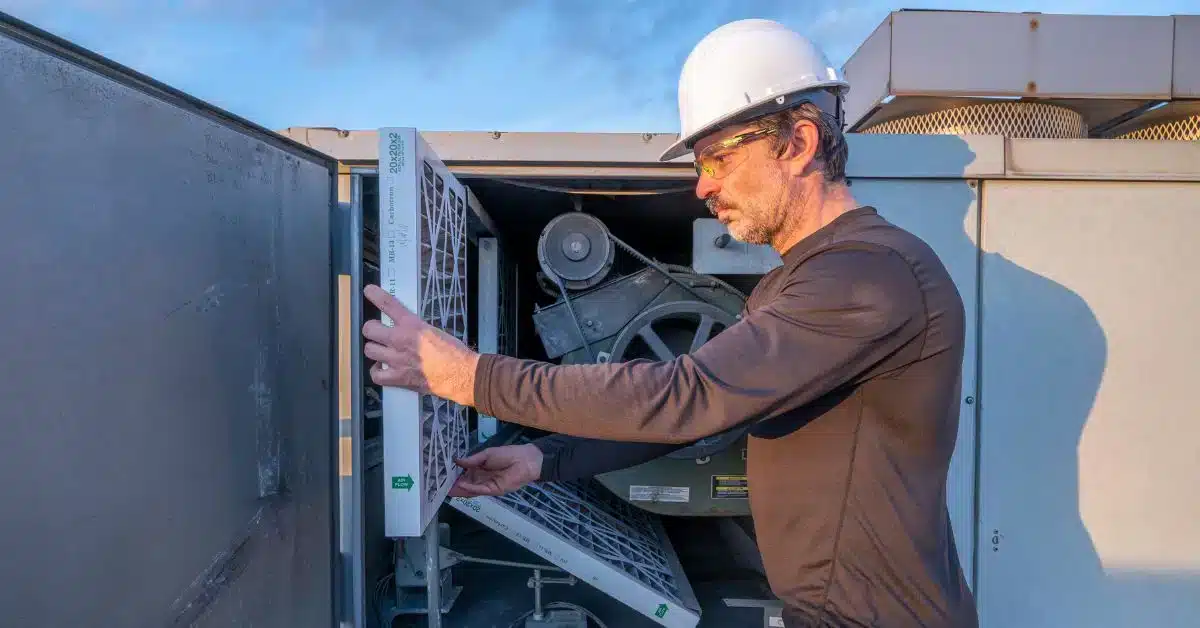
Keeping your HVAC system running efficiently starts with a simple but often overlooked task: replacing the air filter on time. A clean filter improves indoor air quality, reduces energy consumption, and extends the life of your heating and cooling equipment. However, the ideal replacement schedule depends on several real-world factors, not just a fixed timeline.
Why HVAC Filter Replacement Matters
An HVAC filter captures airborne particles such as dust, pollen, pet dander, and mold spores. Over time, these particles accumulate and restrict airflow.
When airflow is blocked:
- The system works harder than necessary
- Energy bills increase
- Indoor air quality declines
- Components experience premature wear
- Heating and cooling performance drops
Replacing filters regularly helps maintain consistent airflow and system efficiency.
Standard Replacement Timeline
Most households benefit from replacing HVAC filters every 1 to 3 months. However, this guideline varies depending on living conditions and system usage.
Typical recommendations include:
- Every 30 days for homes with pets or allergies
- Every 60 days for average households
- Every 90 days for lightly used systems or vacation homes
Checking the filter monthly is the safest habit, even if replacement is not always necessary.
Factors That Affect Replacement Frequency
Home Environment
Dust levels inside your home directly impact filter lifespan. Homes near construction sites, dry climates, or high-traffic roads accumulate particles faster.
If indoor dust builds quickly on surfaces, filters should be replaced more often.
Pets in the Household
Pet hair and dander clog filters rapidly. Homes with multiple pets may require monthly replacements to maintain airflow and cleanliness.
Allergy or Respiratory Sensitivity
If someone in the household has asthma or seasonal allergies, replacing filters every 30 to 45 days helps maintain healthier indoor air conditions.
HVAC Usage Patterns
Systems that run continuously during extreme summer or winter seasons collect contaminants faster than systems used occasionally.
High usage equals faster replacement cycles.
Filter Type and Thickness
Not all filters perform the same.
Common filter types include:
- Fiberglass filters: Replace every 30 days
- Pleated filters: Replace every 60 to 90 days
- High-efficiency filters: Replace every 90 days or according to manufacturer guidance
Thicker filters typically last longer because they hold more particles before restricting airflow.
Signs Your HVAC Filter Needs Replacement
Even if you follow a schedule, visual inspection is important. Some filters clog earlier than expected.
Watch for these indicators:
- Visible dust accumulation on the filter surface
- Reduced airflow from vents
- Increased energy bills without explanation
- Musty indoor odors
- Uneven heating or cooling across rooms
If any of these appear, replacing the filter immediately is recommended.
Seasonal Replacement Strategy
Adjusting filter replacement timing based on seasonal demand improves system reliability.
Recommended seasonal approach:
- Replace before summer cooling begins
- Replace before winter heating begins
- Inspect monthly during peak usage periods
- Replace after renovation or construction work inside the home
This strategy keeps airflow stable when the system works hardest.
Choosing the Right HVAC Filter
Selecting the correct filter improves both performance and air quality.
Important selection considerations include:
- MERV rating compatibility with your system
- Desired indoor air cleanliness level
- Household pets
- Allergy concerns
- System manufacturer recommendations
Higher MERV ratings capture smaller particles but may restrict airflow if the system is not designed for them.
Consult system specifications before upgrading filtration levels.
Risks of Delaying Filter Replacement
Ignoring filter maintenance affects more than airflow.
Possible long-term consequences include:
- Frozen evaporator coils
- Overheating furnace components
- Increased repair costs
- Shortened equipment lifespan
- Higher electricity consumption
Routine replacement prevents expensive service issues.
Practical Maintenance Routine for Homeowners
Creating a simple inspection routine makes filter replacement effortless.
Recommended routine:
- Check filters at the start of each month
- Replace when visibly dirty
- Keep spare filters available at home
- Record replacement dates for consistency
Consistency helps maintain performance throughout the year.
FAQ Section
How do I know which HVAC filter size to buy
Check the dimensions printed on the edge of your current filter or refer to your system manual. Using the wrong size reduces filtration efficiency and airflow performance.
Can I clean and reuse HVAC filters instead of replacing them
Most standard disposable filters are designed for single use. Only reusable filters should be cleaned according to manufacturer instructions.
Do higher MERV ratings always improve indoor air quality
Higher ratings capture smaller particles, but they must be compatible with your HVAC system. Excessively high ratings may restrict airflow if unsupported.
Is it safe to run an HVAC system without a filter temporarily
Running a system without a filter allows dust and debris to enter internal components, which can cause long-term damage. A filter should always be installed.
Does changing filters reduce electricity bills
Yes. Clean filters improve airflow efficiency, allowing the system to operate with less energy and lowering utility costs over time.
Should filters be replaced more often during renovation projects
Construction dust spreads quickly through ventilation systems. Filters should be inspected weekly and replaced frequently during renovation periods.
Are thicker HVAC filters better than standard ones
Thicker filters usually last longer and capture more particles, but they must match the system design specifications to avoid airflow restrictions.


