
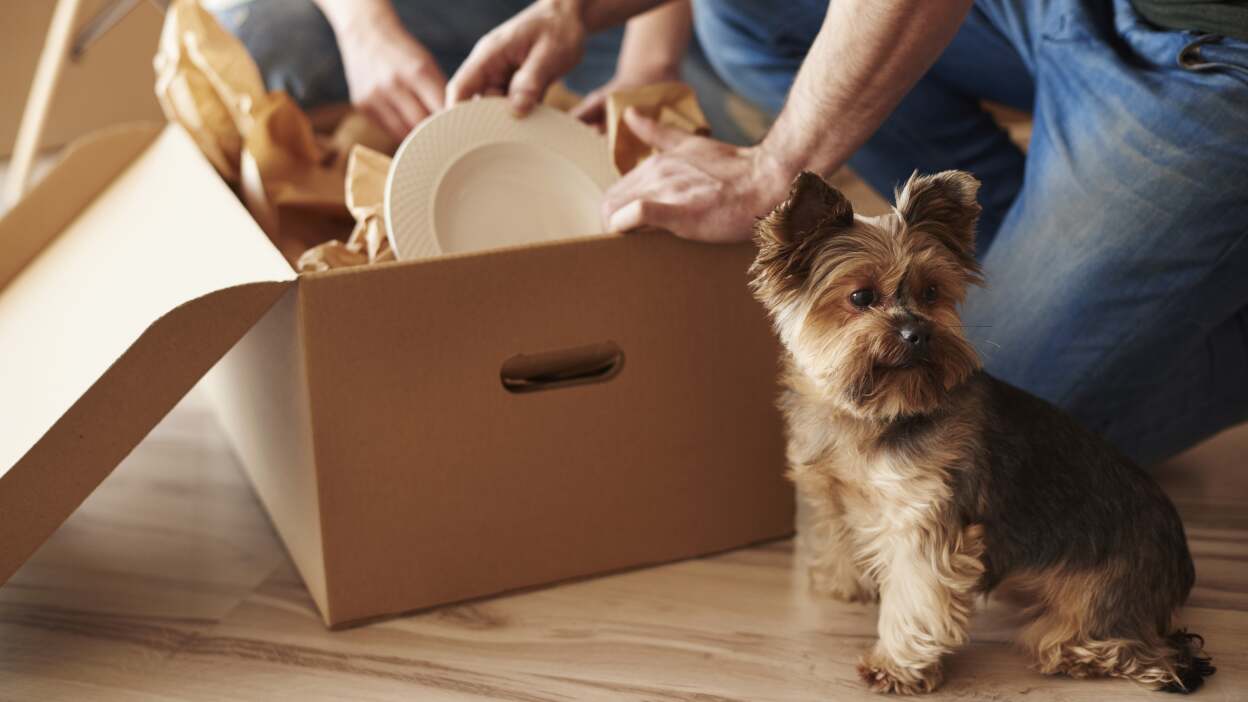
Relocating to a new home can be stressful for animals because they rely heavily on familiarity, routine, and scent-based comfort. Careful planning helps reduce anxiety and ensures your pet adapts smoothly to the transition. Whether you have a dog, cat, bird, or small companion animal, preparing early makes a significant difference in their physical safety and emotional well-being.
Why Moving Can Be Stressful for Pets
Pets interpret environmental change differently from humans. They do not understand the purpose of packing, relocation, or travel. Instead, they notice disruptions in routine, unfamiliar smells, and reduced attention from owners.
Common reactions during a move include:
- Hiding or withdrawal
- Increased barking or vocalization
- Loss of appetite
- Restlessness or pacing
- Accidents inside the house
Recognizing these signs early helps you respond with reassurance and structure.
Start Preparing Your Pet Weeks Before the Move
Early preparation reduces shock and builds confidence in unfamiliar surroundings.
Important steps to begin early:
- Maintain feeding and walking schedules
- Keep favorite toys accessible
- Avoid packing all pet belongings at once
- Introduce travel carriers gradually
- Schedule a veterinary checkup if relocation involves long-distance travel
If your pet associates carriers with comfort rather than stress, transportation becomes much easier.
Update Identification and Medical Record
Before moving day, ensure all identification information is current.
Essential updates include:
- Microchip registration address
- Collar identification tag
- Vaccination certificates
- Medical prescriptions
- Contact details of previous veterinarian
If you are relocating to another city or region, locate a nearby veterinary clinic in advance.
Prepare a Moving Day Safety Plan
Moving day activity can overwhelm pets due to noise, strangers, and open doors.
To keep pets secure:
- Place them in a quiet room away from movers
- Use a crate or carrier if appropriate
- Assign one family member to supervise them
- Provide water and familiar bedding
- Avoid leaving them unattended outside
This prevents escape attempts and reduces stress triggers.
Help Your Pet Adjust to Travel
Travel preparation depends on distance and transportation type.
For car travel:
- Feed pets lightly before departure
- Take breaks every few hours
- Secure carriers properly
- Keep temperature comfortable
For air travel:
- Confirm airline pet policies
- Choose airline-approved carriers
- Label carriers clearly
- Avoid sedation unless advised by a veterinarian
Carry essentials such as water bowls, food portions, waste bags, and comfort toys.
Prepare the New Home Before Arrival
Pets settle faster when their environment feels familiar from the beginning.
Before bringing them inside:
- Remove hazards such as exposed wires
- Check fences and gates
- Set up feeding stations
- Prepare sleeping areas
- Place familiar blankets and toys nearby
Let your pet explore gradually instead of overwhelming them with access to the entire home at once.
Rebuild Routine Immediately After Moving
Routine restores a sense of control for animals after relocation.
Prioritize:
- Consistent feeding times
- Regular walks
- Playtime sessions
- Sleeping arrangements
- Calm interaction
Cats especially benefit from slow introductions to new spaces room by room.
Watch for Signs of Adjustment Difficulty
Some pets adapt quickly, while others require extra support.
Warning signs to monitor:
- Persistent hiding
- Aggression
- Appetite loss lasting several days
- Excessive barking or meowing
- Destructive behavior
If symptoms continue beyond a week, consult a veterinarian or animal behavior specialist.
Support Emotional Comfort During the Transition
Pets depend heavily on their owners for reassurance during change.
Helpful strategies include:
- Speaking calmly during travel
- Maintaining physical closeness when possible
- Avoiding sudden discipline changes
- Using familiar bedding scents
- Offering extra playtime and attention
Consistency communicates safety and stability.
Introduce Outdoor Spaces Carefully
Outdoor exploration should be gradual, especially in unfamiliar neighborhoods.
Best practices include:
- Using a leash initially
- Supervising backyard access
- Checking fence security
- Monitoring interactions with neighboring animals
Cats should remain indoors for at least one to two weeks before supervised outdoor exposure if they previously had outdoor access.
Prepare a Pet Essentials Moving Kit
Keeping essentials accessible prevents unnecessary stress during relocation.
Your kit should include:
- Food and treats
- Water bowls
- Leash or harness
- Waste bags or litter supplies
- Medical documents
- Favorite toy or blanket
Having these items nearby avoids disruption during travel and the first night in the new home.
Frequently Asked Questions
How long does it take pets to adjust after moving homes
Most pets begin adjusting within a few days, but full comfort can take several weeks depending on personality, species, and environment changes.
Should pets be present during the packing process
It is better to pack gradually while keeping their routine intact. Sudden environmental changes can increase anxiety.
Is it safe to sedate pets during relocation
Sedation should only be used if recommended by a veterinarian, especially for air travel or long-distance transport.
How can I help a nervous pet feel safer in a new home
Provide familiar bedding, maintain feeding schedules, and introduce new spaces slowly rather than allowing unrestricted exploration immediately.
Should cats be allowed outside right after moving
Cats should remain indoors temporarily until they recognize the new home as their safe territory.
What should I do if my pet stops eating after moving
Mild appetite changes are common, but if refusal continues beyond two days, veterinary advice is recommended.
Can pets recognize their new home as their territory quickly
Yes, especially when routines remain consistent and familiar scents are present throughout the environment.


