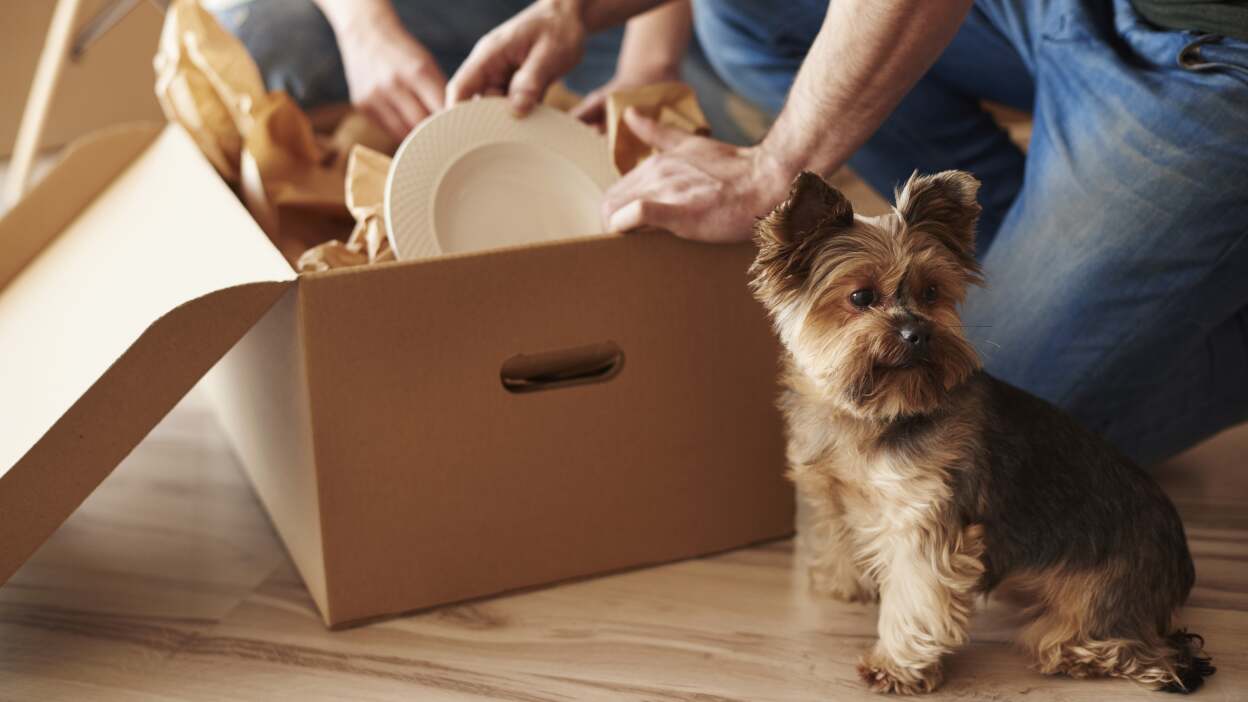
When it comes to improving your home, many people automatically think of renovations, redecorating, or upgrading their furniture. However, one of the most effective ways to enhance your living space, save money, and create a more organised environment is through thoughtful packing. Packing isn’t just for moving; it can also be a strategic tool to optimise the way you use and manage your home. Whether you’re preparing for a big move or simply looking to declutter and organise, packing wisely can help you improve the functionality, aesthetics, and overall feel of your home, all while being mindful of your budget.
In this article, we’ll explore how strategic packing can be an essential part of improving your home, saving you money, and enhancing your living space. From efficient storage solutions to smart packing techniques that help preserve and organise your belongings, the right approach can make a significant difference in how your home feels and functions.
1. Maximise Storage by Packing Efficiently
One of the most common issues people face in their homes is a lack of storage. Over time, clutter accumulates, making spaces feel cramped and disorganised. But with a well-thought-out packing strategy, you can maximise the available storage and free up valuable space.
Start by assessing areas in your home where you tend to store things—closets, under the bed, attics, basements, or garages. These spaces often become catch-alls for everything you don’t know what to do with. A critical first step is to sort through your items and decide what to keep, sell, donate, or throw away. Downsizing your possessions will immediately create more room for what truly matters.
Once you’ve decluttered, you can begin packing your remaining items in a way that maximises storage. Use clear plastic bins for items that need to be kept for seasonal purposes, like winter clothes, holiday decorations, or off-season sporting gear. These bins are stackable, and their transparent design lets you quickly see what’s inside, so you don’t have to dig through boxes. Additionally, vacuum-sealed bags are an excellent way to compress bulky items such as blankets or clothes, which will free up more storage space in closets or drawers.
For extra storage solutions, consider multi-functional furniture that doubles as a storage unit. Beds with built-in drawers, ottomans with hidden compartments, and coffee tables that open up to reveal storage space are all examples of how you can utilise the space in your home more effectively.
2. Use Packing Techniques for Better Organisation
Packing isn’t just about putting things in boxes; it’s about organising them in a way that makes them easy to access and keeps your home tidy. Proper organisation is key to improving your home’s flow, and there are a few simple packing techniques that can help achieve this.
For instance, consider using uniform boxes of the same size when packing items for storage. This makes stacking easier and more stable, and it prevents your storage spaces from looking chaotic. Additionally, label everything clearly with both the contents and the room it belongs to. This simple step will help you avoid confusion and frustration later when searching for specific items.
For smaller items, like office supplies, toys, or kitchen utensils, invest in small, stackable containers or drawer organisers. These can be labelled for easy identification and placed neatly on shelves or in cabinets, ensuring that everything has its place. Organising your belongings this way will help create a more orderly environment, allowing you to enjoy a clean and clutter-free home.
3. Cost-Effective Packing Materials
Packing for a move or simply organising your home doesn’t have to be costly. With a little creativity, you can reduce your expenses while still getting the packing materials you need. While many people head to moving supply stores for packing materials, these items can be surprisingly expensive. Instead, consider using household items as alternatives.
For example, old newspapers, magazines, or clothes can be repurposed to cushion fragile items like glassware, dishes, or electronics. Towels, blankets, and sheets are excellent options for wrapping larger or breakable items, like picture frames or vases. Not only do these materials provide adequate protection for your belongings, but they also help save money by reusing things you already have.
Additionally, seek out free boxes from local stores, supermarkets, or even online groups like Freecycle. Many businesses regularly dispose of empty boxes that are still in good condition. This can save you a significant amount of money compared to purchasing new boxes, especially if you have a large amount of stuff to pack.
Another money-saving strategy is to avoid overpacking. It’s easy to fill up a box with anything that fits, but this can lead to unnecessary costs for both moving and storage. Instead, be selective and only pack items that are truly needed or useful. Not only will you save on packing materials, but you’ll also reduce the overall cost of transporting your belongings.
4. Invest in Custom Packing Solutions
While reusing household items and repurposing materials can save money, there are times when it’s worth investing in specialised packing solutions to ensure the safety of valuable or fragile items. For instance, high-quality packing materials like custom-sized boxes for delicate items such as artwork, mirrors, or electronics can prevent damage during transit or storage. These solutions might come with an upfront cost but will ultimately save you money in the long run by avoiding potential damage.
If you’re moving long-distance or have items that require specific care, consider purchasing sturdy, reinforced boxes and padding materials designed for specific items. For example, wardrobe boxes are perfect for hanging clothes, ensuring they arrive at your new home wrinkle-free. Specialised containers for shoes, lamps, or artwork will protect your belongings, keeping them in good condition.
For people who are storing items long-term, using climate-controlled packing solutions, like moisture-absorbing packets and airtight containers, can prevent mould, mildew, or other types of damage. While these items may come at a higher cost upfront, they will protect your belongings, preventing costly repairs or replacements in the future.
5. Make Unpacking Easier
Just as packing can improve your home’s organisation, unpacking with a system in place can make settling into your new space much easier. When you pack your items, consider how you’ll unpack them and organise them in your new home. For instance, if you’re packing your kitchen, group items by category—dishes together, utensils together, etc.—and label each box clearly. This way, when you arrive at your new home, it’s much easier to put everything in its designated place.
By taking the time to plan out your packing in an organised and logical way, you’ll not only reduce the amount of time it takes to unpack but also ensure that your new home is set up efficiently from day one. This approach helps you avoid feeling overwhelmed by the mountain of boxes and instead creates a space where you can quickly settle in and feel at home.
6. Packing for a Home Makeover on a Budget
Lastly, packing can be a useful strategy for anyone who’s undertaking a home makeover or renovation. If you’re changing the layout of your rooms, swapping out furniture, or tackling a big decluttering project, careful packing can preserve your items while giving you the flexibility to redesign your home without worry.
For instance, when renovating, pack away fragile items like lamps, artwork, or knick-knacks to protect them from dust or damage. By packing them neatly and efficiently, you not only safeguard your possessions but also free up space to work in.
Similarly, if you’re redesigning your home’s décor, packing allows you to take stock of what you have and avoid overbuying new furniture or accessories. This is a great opportunity to assess whether your old furniture can be repurposed or rearranged to fit your new design vision, ultimately saving money on purchasing new items.
Conclusion
Packing isn’t just about preparing for a move—it’s a powerful tool for improving your home’s organisation, maximising storage, and enhancing the functionality of your space, all while keeping costs low. By using efficient packing techniques, reusing materials, and making thoughtful choices about how to store and protect your belongings, you can create a home that feels more organised, spacious, and streamlined. Whether you’re moving, renovating, or simply decluttering, packing wisely will help you make the most of your space and budget. So, the next time you look around your home and think about how to improve it, don’t forget the impact that packing and organisation can have on your living environment.