
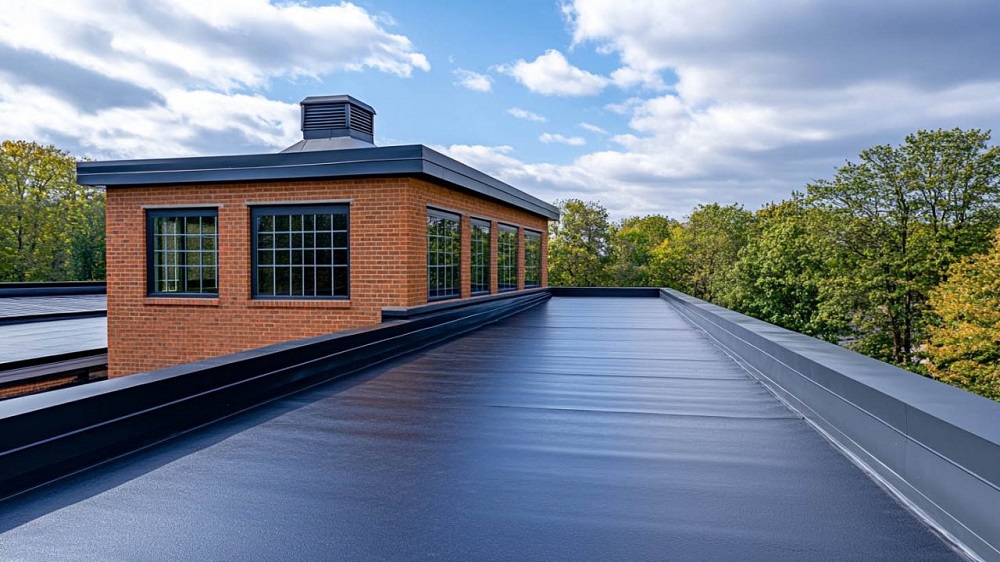
Flat roofing systems have become a defining feature of contemporary architecture across residential, commercial, and institutional structures. Their streamlined appearance, functional adaptability, and cost-efficient construction make them especially suitable for modern building requirements. As urban environments evolve and sustainability priorities increase, flat roofs continue to gain popularity among architects, developers, and property owners.
This article explores the key advantages of flat roofing systems and explains why they are widely considered an ideal solution for modern construction.
What Is a Flat Roofing System
A flat roofing system refers to a roof structure designed with a minimal slope to allow proper drainage while maintaining a nearly level surface. Unlike traditional pitched roofs, flat roofs create usable rooftop space and simplify installation and maintenance processes.
Common materials used in flat roofing systems include
- Modified bitumen
- EPDM rubber membranes
- PVC roofing membranes
- Built-up roofing layers
- TPO roofing systems
Each material offers durability, flexibility, and weather resistance suited to different building environments.
Cost Efficiency in Construction and Installation
One of the strongest advantages of flat roofing systems is their economic value during construction.
Flat roofs typically require fewer materials than pitched roofs. Their simpler structural framework reduces labor time and complexity, which helps control project budgets.
Cost-saving benefits include
- Reduced material consumption
- Faster installation timelines
- Lower structural support requirements
- Simplified insulation placement
These factors make flat roofing especially attractive for large commercial buildings and multi-unit residential developments.
Maximized Usable Space
Flat roofing systems transform rooftops into functional areas rather than unused surfaces. This added usability supports both lifestyle enhancements and operational efficiency.
Common rooftop applications include
- Rooftop gardens
- Solar panel installations
- HVAC equipment placement
- Recreational terraces
- Outdoor seating areas
In densely populated urban regions, maximizing vertical space has become a practical necessity rather than a design luxury.
Improved Accessibility for Maintenance
Maintenance is simpler and safer on flat roofs compared to sloped alternatives. Workers can move comfortably across the surface without specialized safety equipment typically required for steep roof angles.
Maintenance advantages include
- Easier inspection routines
- Faster repair procedures
- Lower maintenance costs over time
- Simplified installation of additional equipment
Routine servicing becomes more efficient, helping extend the lifespan of the roofing system.
Energy Efficiency Benefits
Modern flat roofing systems support improved thermal performance when paired with high-quality insulation and reflective surface materials.
Energy-saving advantages include
- Reduced indoor temperature fluctuations
- Lower cooling demands during hot seasons
- Compatibility with reflective coatings
- Integration with solar energy systems
These features contribute to lower operational energy costs and improved environmental performance.
Ideal Support for Sustainable Building Practices
Flat roofs play an important role in environmentally responsible construction. They provide a stable platform for green technologies and eco-conscious design strategies.
Sustainability enhancements made possible by flat roofs include
- Installation of green roof vegetation systems
- Rainwater harvesting setups
- Solar photovoltaic arrays
- Cool roof reflective membranes
Such features help reduce urban heat accumulation and promote energy-efficient building operations.
Faster Construction Timelines
Time efficiency is a critical factor in modern construction projects. Flat roofing systems allow faster installation compared to pitched roof structures due to their straightforward layout and fewer structural components.
Project scheduling benefits include
- Reduced labor hours
- Faster material placement
- Simplified waterproofing installation
- Shorter overall project completion time
Developers benefit from earlier occupancy readiness and reduced construction overhead.
Modern Architectural Appeal
Contemporary architecture emphasizes clean geometry and minimalistic design. Flat roofing systems align perfectly with these visual preferences.
Design advantages include
- Sleek building profiles
- Enhanced exterior symmetry
- Compatibility with glass and steel facades
- Improved rooftop utility integration
Flat roofs complement both residential and commercial developments seeking a modern aesthetic identity.
Long-Term Durability with Proper Installation
When installed correctly using quality materials, flat roofing systems offer reliable long-term performance.
Durability factors include
- Strong waterproof membrane systems
- UV-resistant surface coatings
- Flexible expansion performance during temperature changes
- Compatibility with layered insulation protection
Regular inspections ensure that flat roofing systems remain efficient and weather resistant for decades.
Adaptability for Future Expansion
Modern buildings often require structural adaptability as usage needs evolve. Flat roofs provide flexible options for future upgrades and extensions.
Expansion possibilities include
- Additional rooftop structures
- Solar capacity expansion
- Mechanical equipment upgrades
- Recreational area additions
This flexibility makes flat roofing systems a forward-looking investment for property owners.
Frequently Asked Questions
How long does a flat roofing system typically last
A properly installed flat roofing system can last between 20 and 40 years depending on the material used, climate exposure, and maintenance practices.
Are flat roofs suitable for areas with heavy rainfall
Yes, flat roofs are designed with slight slopes and internal drainage systems that allow efficient water runoff when installed correctly.
Can flat roofs support solar panel installations
Flat roofs are highly suitable for solar panels because they allow optimal angle adjustment and easier maintenance access.
Do flat roofs require more maintenance than sloped roofs
Flat roofs require regular inspections but maintenance is generally easier and less expensive due to safe accessibility.
Is insulation easier to install on flat roofs
Yes, insulation placement is typically simpler and more uniform on flat roofing systems compared to pitched roofs.
Are flat roofs safe for rooftop gardens
Flat roofs are ideal for rooftop gardens when designed with proper waterproofing layers and load-bearing support.
Can flat roofing systems improve property value
Yes, functional rooftop space, energy efficiency improvements, and modern architectural appeal can positively influence property value.


