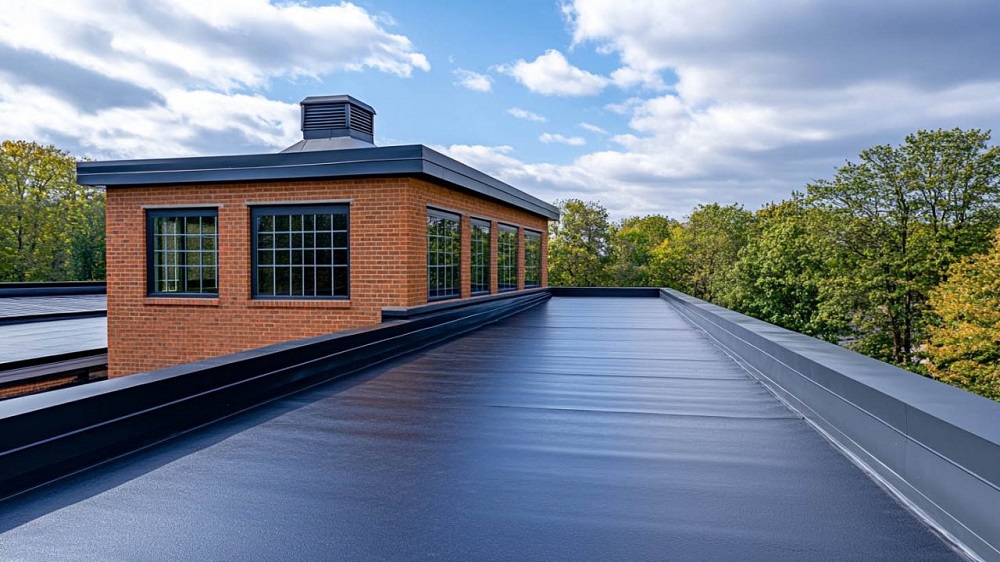
When it comes to roofing, homeowners are often faced with a crucial decision: should they opt for weatherproof materials that promise long-lasting protection, or should they hire a contractor who might offer a customized, expert installation process? Each approach comes with its own set of benefits, challenges, and considerations, making it essential to understand the nuances before making a final choice. After all, a roof is one of the most significant investments you’ll make for your home, providing protection from the elements while also adding value and aesthetic appeal. This article will delve into the advantages and drawbacks of both weatherproof roofing systems and professional contractors, helping you determine which option works best for your unique needs.
Weatherproof Roofing: The Case for Durability and Protection
In today’s market, a variety of roofing materials are marketed as weatherproof, designed to withstand a wide range of environmental conditions. From heavy rain to snow, extreme heat, and wind, these materials are designed to provide superior protection, ensuring that your home remains safe and dry, no matter the weather.
The Advantages of Weatherproof Materials
-
Enhanced Protection Against the Elements
Weatherproof roofing systems are designed to provide excellent resistance to the elements. Materials such as asphalt shingles with waterproofing layers, synthetic rubber roofing, metal roofs, and tiles often come with specialized coatings or properties that enhance their ability to resist rain, snow, and wind. For example, a well-installed metal roof, especially one with a protective coating, can reflect UV rays, reducing the heat absorbed by the home in hot climates, while also shedding water quickly and efficiently. -
Long-Term Durability
A key benefit of weatherproof roofing is its long lifespan. Many weatherproof materials come with warranties that last decades, offering homeowners peace of mind. For instance, high-quality metal roofs can last upwards of 50 years, while concrete or clay tiles can endure for much longer, offering unmatched durability when compared to traditional roofing systems. -
Low Maintenance
Weatherproof materials tend to require less maintenance over time. For example, a metal roof is not susceptible to rot, which is a common issue with wooden shingles, and it is highly resistant to corrosion or rust when installed with the appropriate protective finish. This can save homeowners time and money in the long run, as they won’t need to repair or replace shingles as often. -
Energy Efficiency
Some weatherproof materials, like metal and reflective shingles, have energy-efficient properties that can reduce your energy bills. By reflecting sunlight, they keep your home cooler during summer, lowering the need for air conditioning. This makes them an appealing option for homeowners looking to improve the overall energy efficiency of their homes.
The Drawbacks of Weatherproof Roofing
-
Initial Cost
While weatherproof roofing materials are often more durable and efficient, they can also come with a higher upfront cost. Metal roofs, for instance, are typically more expensive than traditional asphalt shingles, and materials like tile roofing can be cost-prohibitive for some homeowners. However, it’s important to note that the long-term benefits may justify the initial investment, especially when considering reduced maintenance and the potential for a longer lifespan. -
Installation Complexity
While the materials themselves might offer great protection, installing weatherproof roofing systems requires specialized knowledge and skill. A subpar installation could lead to leaks, reduced lifespan, or less-than-optimal performance, negating the benefits of the weatherproof materials. This brings us to the importance of professional installation—an area where contractors become essential.
Contractors: The Experts in Customization and Installation
Contractors play a pivotal role in the roofing process, offering expertise, customized solutions, and professional installation services. While weatherproof roofing materials are certainly an option, a contractor can guide you through the selection process, ensuring that your roof not only meets your needs but is also installed to the highest standards.
The Advantages of Hiring a Professional Contractor
-
Expert Installation
A contractor’s expertise ensures that the roofing system is installed correctly, regardless of the material chosen. Improper installation is one of the leading causes of roofing failures, and a contractor has the knowledge to avoid mistakes such as improper flashing, poor sealing, or incorrect alignment. By hiring a contractor, you increase the chances of getting a high-quality, durable roof that performs well over time. -
Customization and Tailored Solutions
Roofing contractors can provide personalized advice, helping you choose the best roofing system for your home based on your climate, budget, and aesthetic preferences. Whether it’s deciding between a traditional asphalt roof or a modern metal one, contractors offer guidance on the right material choice and design. They can also create a roofing system that accommodates specific features such as skylights, vents, or chimneys. -
Access to Quality Materials
Contractors often have access to high-quality, sometimes exclusive, roofing materials. They can procure materials that may not be readily available to homeowners or those attempting a DIY project. Furthermore, many contractors work closely with suppliers, which can result in better prices for premium materials and possibly warranties that would not otherwise be accessible to individual buyers. -
Insurance and Warranty
A professional contractor typically provides warranties on both the materials used and the work completed. This offers peace of mind in case something goes wrong after the installation is finished. Additionally, reputable contractors carry insurance to protect against any accidents or damages that might occur during the installation process, making them a safer choice compared to DIY approaches.
The Drawbacks of Hiring a Contractor
-
Cost of Labor
Hiring a professional contractor typically involves additional costs for labor, which can increase the overall expense of the roofing project. The more specialized the roof system, the higher the labor costs are likely to be. While this ensures high-quality workmanship, it may not be the most cost-effective choice for homeowners on a strict budget. -
Potential for Subpar Contractors
Not all contractors are created equal. While many are highly skilled and reputable, there are always risks involved when hiring a professional. Some contractors may cut corners or fail to adhere to the highest installation standards, leading to potential future problems. Researching contractors, reading reviews, and verifying licenses and insurance coverage is essential to avoid hiring a subpar service provider.
What Works Best for Your Home?
Choosing between weatherproof roofing systems and hiring a contractor comes down to your priorities, budget, and the level of expertise required for installation. If you’re looking for long-term durability, minimal maintenance, and energy efficiency, weatherproof materials are an excellent choice. However, these materials must be installed correctly to deliver their promised benefits, which is where a skilled contractor becomes indispensable.
A contractor, on the other hand, offers expertise, customization, and the peace of mind that comes with professional installation. While the upfront costs might be higher, the value of expert installation, proper materials, and warranties could save you from headaches and costly repairs down the road.
In many cases, the best solution involves a combination of both—investing in weatherproof materials while hiring a reputable contractor for the installation. This ensures that you get the best of both worlds: superior protection from the elements with expert craftsmanship.
Conclusion
Ultimately, the decision between weatherproof roofing and contractor installation is not an either/or proposition but rather a choice that requires careful consideration of the specific needs of your home. Weatherproof materials offer outstanding protection and durability, but their effectiveness depends on correct installation. Hiring a professional contractor brings expertise and customization to the table, ensuring that your roof performs at its best for years to come. By weighing both factors and seeking professional advice, you can ensure that your roofing investment enhances the safety, beauty, and longevity of your home.