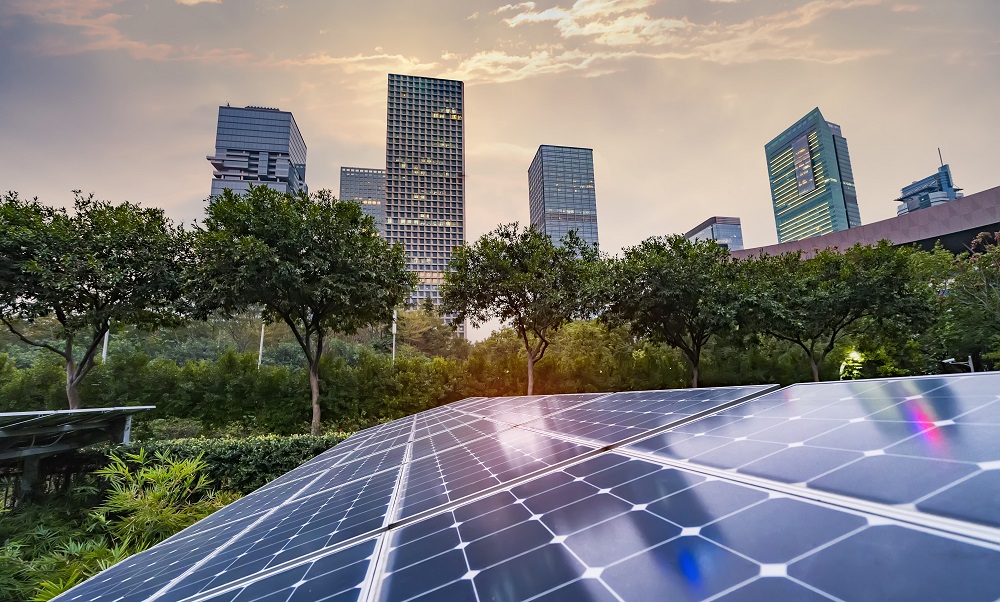
Thailand, famous for its abundant sunshine, has become an increasingly favourable place to adopt solar power solutions. For many households and businesses, installing a solar rooftop is a practical step towards cutting electricity bills while contributing to a more sustainable future. With energy costs rising and the growing need for reliable sources, solar power is rapidly gaining popularity across the country.
The process of solar panel installation is relatively straightforward, and many Thai homeowners are discovering the long-term savings achievable through this renewable energy solution. The sun shines consistently in most regions of Thailand, making solar panels an efficient option. Even during the rainy season, advancements in solar technology enable panels to generate energy effectively. With policies to encourage renewable energy, solar rooftops are an increasingly viable option for homes and small businesses alike.
One of the major benefits of solar rooftops is their ability to lower monthly utility expenses. Traditional electricity comes with mounting costs, particularly in urban areas where demand is highest. Solar power, in contrast, allows homeowners to produce much of the electricity they consume, limiting reliance on external providers. Combined with energy-saving measures such as efficient appliances, solar rooftops can significantly reduce household expenditures over time.
Tailored to Thailand’s Climate and Energy Needs
Thailand’s tropical climate offers near-ideal conditions for solar energy production. The high levels of sunlight provide ample energy to be captured and converted, ensuring a consistent supply throughout most of the year. Pairing the use of solar rooftops with battery storage systems can help manage electricity usage during evening hours when panel efficiency naturally decreases. Quick access to renewable energy also decreases dependence on fossil fuels, which remain a costly and environmentally damaging alternative.
Additionally, solar rooftops have the bonus of insulating homes. The panels reduce direct heat entering through the roof, keeping the interior cooler. This added benefit can result in a reduced need for air conditioning during the hotter months, indirectly lowering electricity consumption further.
A Long-Term Investment
Cost remains a major consideration for many when deciding whether to adopt solar rooftops. While initial expenses for purchasing and installing a system may seem high, these costs are offset over time through reduced energy bills. Various financing options and incentives within Thailand can ease upfront costs, making it more accessible for everyday families.
Maintenance expenses are often manageable as modern solar panels are built to last, requiring minimal servicing. Cleaning the panels periodically ensures their efficiency remains high, but overall, there’s very little ongoing commitment. The potential to sell excess energy back to the grid further improves cost-effectiveness for those with suitable contracts.
Supporting a Greener Future
Solar rooftops have benefits beyond cost reduction. By shifting to a renewable source, households are making a conscious effort to reduce their carbon footprint. This aligns with Thai policies promoting green energy to combat climate change and reduce the country’s reliance on imported energy.
By taking advantage of Thailand’s natural resources and favourable policies, equipping homes with solar rooftops becomes a logical choice. With so many viable options, it’s clear that solar energy is not just about saving money, it’s a vital part of creating a more sustainable energy economy.