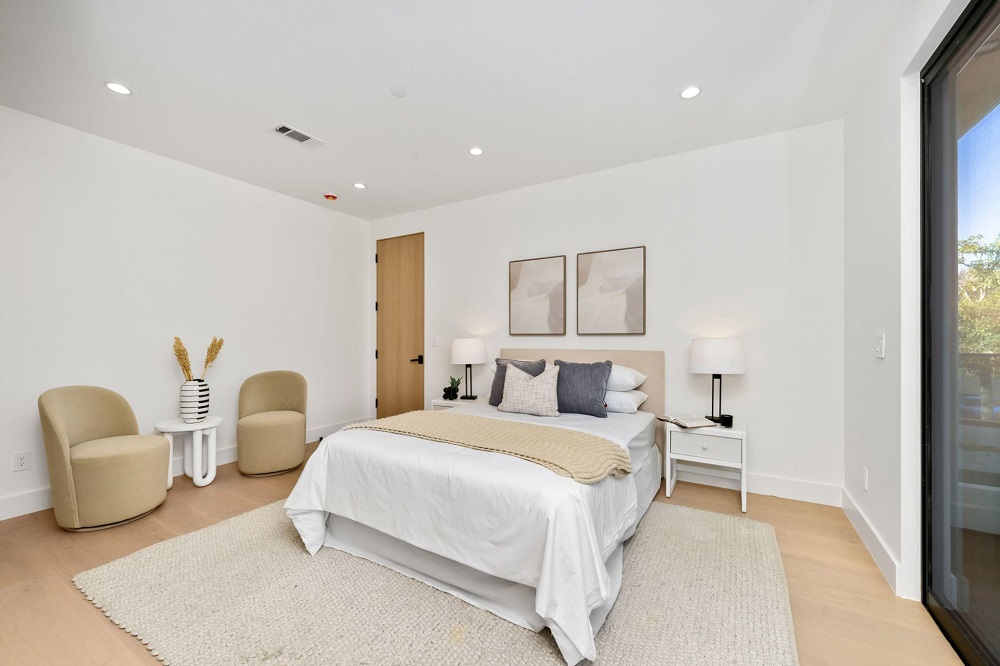
The world of home decor is ever-evolving, with fresh trends emerging every year to reflect changing tastes, technological advancements, and broader cultural shifts. In recent years, homeowners and designers have embraced new styles that not only elevate the visual appeal of living spaces but also address sustainability, functionality, and the growing desire for personalization. Whether you’re a seasoned design enthusiast or someone looking to refresh your home, understanding these new trends can provide the inspiration needed to transform your living environment into a modern sanctuary.
1. Sustainable Design: Embracing Eco-Conscious Materials
In recent times, sustainability has become a central focus in the world of home decor, reshaping the way people approach interior design. As more homeowners become conscious of the environmental impact of their choices, the demand for eco-friendly materials has surged. From reclaimed wood and recycled glass to organic fabrics and low-VOC paints, sustainable design is no longer a niche trend but a mainstream movement.
The emphasis is on using materials that have a minimal carbon footprint and promoting long-lasting pieces over disposable ones. For instance, furniture made from responsibly sourced wood or repurposed materials adds both character and a sense of environmental responsibility to any space. Textiles, too, are shifting towards eco-conscious options, with bamboo, hemp, and organic cotton gaining popularity. These materials are not only sustainable but often more durable and aesthetically pleasing than their synthetic counterparts.
Sustainability also extends to energy-efficient home decor features. Smart home systems, such as programmable thermostats, LED lighting, and solar-powered elements, are becoming integral parts of modern interiors. These technologies not only reduce energy consumption but also seamlessly integrate into home decor, offering both practicality and sophistication.
2. Maximalism: A Bold Departure from Minimalism
While minimalism has ruled interior design for the past decade, a new trend is slowly but surely gaining momentum—maximalism. This style embraces bold, eclectic, and vibrant aesthetics, celebrating the beauty of excess and personal expression. Rather than stripping spaces down to their bare essentials, maximalism invites the inclusion of rich textures, layered patterns, and a variety of colors.
Maximalism allows for the freedom to experiment with different design elements, creating spaces that feel unique and full of life. From bold wallpaper patterns to oversized furniture and statement art pieces, this style encourages an anything-goes approach that adds a sense of drama and personality to any room. The key is balancing the abundance of decor to ensure the space remains cohesive and not chaotic. When done thoughtfully, maximalism can result in a dynamic and visually stimulating environment.
One of the biggest appeals of maximalism is its emphasis on individuality. This style is perfect for those who enjoy collecting art, antiques, or souvenirs from their travels, as maximalism allows these personal items to take center stage. It is a celebration of curated chaos, where everything from vintage lamps to contemporary sculptures finds its place in a harmonious and eye-catching arrangement.
3. Biophilic Design: Bringing the Outdoors In
Biophilic design, which emphasizes the connection between humans and nature, has become a dominant force in contemporary home decor. This trend is grounded in the idea that incorporating elements of nature into our living spaces can improve well-being, reduce stress, and enhance creativity. Whether through the use of natural materials or an abundance of indoor plants, biophilic design fosters a serene and calming atmosphere that is deeply connected to the natural world.
Indoor plants are the easiest and most popular way to bring biophilic design into a home. From towering fiddle leaf figs to smaller succulents, plants not only add vibrant greenery to a room but also improve air quality. Green walls, or living walls, are also growing in popularity, offering a striking focal point that marries design and nature seamlessly.
In addition to plants, biophilic design often incorporates natural materials like stone, wood, and wool, which evoke a sense of organic warmth and comfort. Large windows that maximize natural light, earthy color palettes, and open spaces all contribute to the biophilic aesthetic. This trend promotes an overall sense of tranquility, creating homes that feel grounded, rejuvenating, and deeply connected to the environment.
4. Multi-Functional Furniture: Adapting to Smaller Spaces
With urban living on the rise and space often at a premium, the need for multi-functional furniture has never been more apparent. Furniture that can serve more than one purpose—such as a sofa that converts into a bed or a coffee table with hidden storage—helps maximize the use of small spaces while maintaining a clean, stylish aesthetic.
This trend is particularly prominent in modern apartments, where space constraints make it essential to have furniture that is both stylish and practical. The idea is to choose pieces that are not only beautiful but also functional, helping to create a seamless, clutter-free environment. Multi-functional furniture pieces, such as fold-out desks, stackable stools, and modular sofas, are designed to adapt to the various needs of a space, providing flexibility without sacrificing style.
In addition, the rise of compact and minimalist designs means that even larger items—such as dining tables or entertainment units—can be tailored to fit smaller, more efficient spaces. With the right selection of adaptable furniture, one can create a living area that feels spacious and organized, even within the confines of a small home.
5. Vintage and Retro Revival: Nostalgia Meets Modernity
Nostalgia continues to be a significant influence in home decor, with many homeowners turning to vintage and retro designs for inspiration. Whether it’s mid-century modern furniture, ’70s-inspired color schemes, or quirky accessories from the ’90s, this trend blends the charm of the past with the sleekness of contemporary style.
Mid-century modern, in particular, remains a favorite, with its clean lines, organic shapes, and functional designs. Iconic pieces, such as Eames lounge chairs and minimalist teak furniture, bring an air of sophistication and timeless appeal to any space. Meanwhile, the resurgence of ’70s-inspired colors like mustard yellow, burnt orange, and olive green adds warmth and depth to interiors.
The vintage revival extends beyond furniture to include decor elements such as retro lighting, patterned textiles, and unique collectibles. These items often serve as conversation starters, bringing a sense of history and personality to a room. Whether mixed with modern furniture or used to accentuate minimalist spaces, vintage and retro elements continue to offer a sense of comfort and personality that is hard to replicate with contemporary pieces alone.
6. Tech-Infused Interiors: The Smart Home Revolution
As technology becomes increasingly integrated into daily life, home decor is evolving to accommodate smart devices that make living spaces more convenient and efficient. From voice-controlled lighting and thermostats to smart mirrors and refrigerators, the trend toward tech-infused interiors is changing how people design their homes.
Smart technology is being seamlessly integrated into home decor to create spaces that are both functional and stylish. For example, sleek, minimalist smart speakers can blend in with modern furniture, while smart lighting systems allow for customizable moods through the touch of a button. These technological advancements not only offer convenience but also enhance the overall aesthetic of a room.
Incorporating technology into the home doesn’t mean sacrificing style. Today’s tech devices are designed with aesthetics in mind, ensuring that they complement the design of the space rather than disrupt it. As homes become more connected, tech-infused interiors allow for a level of personalization and efficiency that was previously unimaginable.
Conclusion: The Future of Home Decor
The trends transforming home decor today reflect a broader shift toward personalization, sustainability, and the blending of function with aesthetics. Whether embracing the boldness of maximalism, the tranquility of biophilic design, or the practicality of multi-functional furniture, these new styles are reshaping how we think about our living spaces. As technology continues to advance and environmental concerns rise, home decor will only become more dynamic, offering endless possibilities for creating spaces that reflect our personalities, needs, and values. The key to successful home design lies in embracing these trends with an open mind and a discerning eye, crafting spaces that not only look beautiful but also enhance the way we live.