When it comes to plumbing, fixtures are the unsung heroes of the system. While we often focus on the pipes, water heaters, and drains, the fixtures play an equally vital role in ensuring the smooth flow of water and wastewater throughout our homes. From faucets and showerheads to toilets and sinks, fixtures are the components we interact with daily. Understanding how they work, how to maintain them, and how to choose the right ones for your home is essential for any homeowner. This beginner’s guide will walk you through the different types of plumbing fixtures, their functions, common issues, and maintenance tips, giving you the tools you need to keep your plumbing system in top shape.
What Are Plumbing Fixtures?
Plumbing fixtures are the devices that connect to a plumbing system and facilitate the flow of water. They include any appliance or installation where water is used or dispensed. Fixtures come in various shapes, sizes, and types, depending on their specific function. Whether you are installing new plumbing in a newly constructed home or replacing outdated fixtures in an existing one, understanding the different categories and functions of plumbing fixtures will help you make informed decisions and avoid potential problems in the future.
Types of Plumbing Fixtures
Plumbing fixtures can be broadly categorized into two types: water fixtures and waste fixtures. These fixtures work together to bring water into your home and remove wastewater efficiently.
Water Fixtures
Water fixtures are those that deliver fresh water into your home. They include:
-
Faucets: Faucets are among the most commonly used water fixtures. They come in a variety of designs and sizes for use in kitchens, bathrooms, and utility areas. A faucet typically controls the flow and temperature of water, allowing you to easily access it for various tasks such as washing hands, dishes, or preparing food.
-
Showerheads: A showerhead is a fixture designed to distribute water evenly over the body during a shower. Modern showerheads offer various features, including adjustable water pressure, water-saving modes, and even built-in filters to ensure water quality.
-
Bathtubs: Bathtubs are large fixtures designed for sitting or reclining in water, often for personal hygiene or relaxation. Bathtubs come in various designs, including freestanding, alcove, and corner tubs, and can be equipped with additional features such as whirlpool jets or built-in seating.
-
Sinks: Sinks are found in kitchens, bathrooms, and laundry rooms. These fixtures come in different configurations, including pedestal sinks, under-mount sinks, drop-in sinks, and vessel sinks. The right sink will depend on your space, style, and functionality needs.
-
Dishwashers and Washing Machines: Although technically appliances, dishwashers and washing machines are connected to plumbing systems to deliver water for their respective functions. These fixtures often require specific plumbing connections, including water supply lines and drainage pipes.
Waste Fixtures
Waste fixtures are those that help remove wastewater from your home. They include:
-
Toilets: Toilets are one of the most important waste fixtures in any home. They are designed to remove human waste safely and efficiently. Toilets are available in various designs, including one-piece, two-piece, and wall-hung models. Modern toilets often feature water-saving technology, such as dual flush systems that reduce water consumption.
-
Drains: Drains are the outlets through which wastewater exits your home. They are connected to sinks, showers, bathtubs, and toilets to remove used water. A well-maintained drain system is crucial to prevent blockages and water damage.
-
Floor Drains: Floor drains are common in basements, garages, and laundry rooms. These fixtures help prevent flooding by allowing water to drain away quickly. Proper maintenance is essential to ensure that these drains remain unclogged and functional.
Common Problems with Plumbing Fixtures
While plumbing fixtures are built to last, they are not immune to wear and tear. Over time, the constant use of water, combined with natural aging, can lead to various problems. Some of the most common issues homeowners face with plumbing fixtures include:
-
Leaky Faucets: A leaky faucet is one of the most common plumbing issues, and it can be a significant waste of water over time. Leaks usually occur due to worn-out washers or seals that need to be replaced.
-
Clogged Drains: Over time, drains can become clogged with debris such as hair, soap scum, grease, and food particles. Clogged drains can lead to slow water flow and, if left untreated, can cause significant backups.
-
Running Toilets: A running toilet wastes both water and money. This issue is often caused by a faulty flapper or fill valve, which allows water to continuously flow into the toilet bowl.
-
Low Water Pressure: Low water pressure can be caused by clogged showerheads, faulty faucets, or problems with the water supply line. If left unresolved, this issue can make daily tasks like showering or washing dishes more time-consuming.
-
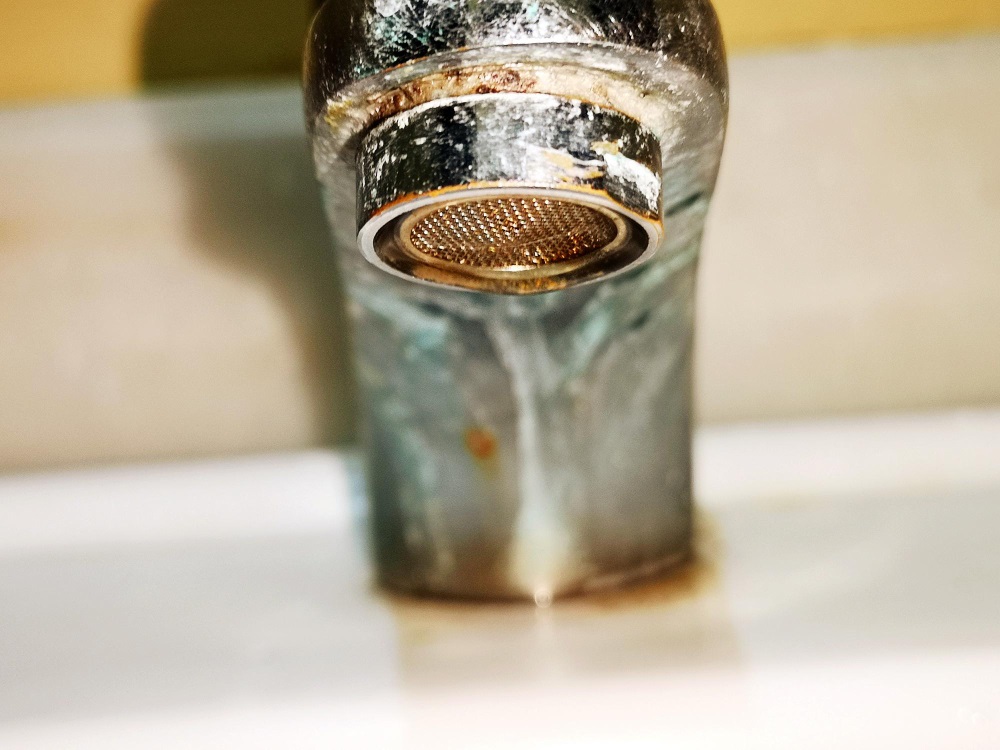
Corroded Fixtures: Over time, fixtures made from metal may begin to corrode due to the buildup of minerals or prolonged exposure to water. Corrosion can result in leaks, reduced water flow, or an unattractive appearance.
How to Maintain Your Plumbing Fixtures
Proper maintenance is key to prolonging the life of your plumbing fixtures and preventing costly repairs. Here are some essential maintenance tips for beginners:
1. Regular Cleaning
Cleaning your fixtures regularly is essential for preventing buildup and maintaining their functionality. For example, regularly clean faucets, showerheads, and drains to remove soap scum, mineral deposits, and grime. Use a non-abrasive cleaner to avoid scratching the surface of your fixtures.
For showerheads, consider soaking them in vinegar to dissolve mineral buildup and improve water flow. You can also clean your sink and bathtub drains by flushing them with boiling water or using a homemade solution of baking soda and vinegar to break down grease and soap scum.
2. Fix Leaks Promptly
A small leak can quickly turn into a major issue if left unchecked. If you notice a leak in any of your plumbing fixtures, address it as soon as possible. For faucets, replacing worn-out washers or O-rings can resolve most minor leaks. For toilets, a faulty flapper or fill valve is typically the cause, and replacing these parts can stop the leak.
3. Avoid Chemical Drain Cleaners
While it may be tempting to use chemical drain cleaners to clear a clog, these harsh products can damage your pipes and fixtures over time. Instead, use a plunger, drain snake, or natural solutions like baking soda and vinegar to clear blockages safely.
4. Replace Worn Fixtures
Plumbing fixtures, like faucets, showerheads, and toilets, are built to last, but they do eventually wear out. If you notice significant corrosion, cracks, or persistent issues that can’t be fixed with minor repairs, it may be time to replace the fixture. Newer models may also offer more efficient water usage and modern features that can enhance your plumbing system.
Choosing the Right Fixtures for Your Home
When selecting new plumbing fixtures for your home, there are several factors to consider:
-
Functionality: Choose fixtures that meet your functional needs. For example, consider water-saving toilets and showerheads if you’re looking to reduce your water usage.
-
Style: Fixtures come in various styles, from modern to traditional. Choose a style that complements the overall design of your bathroom or kitchen.
-
Durability: Look for fixtures made from high-quality materials such as stainless steel, brass, or ceramic, which tend to last longer and resist corrosion.
-
Water Efficiency: Many modern fixtures are designed with water efficiency in mind. Look for fixtures with low-flow capabilities, such as low-flow toilets, faucets, and showerheads, to conserve water and reduce utility bills.
Conclusion
Plumbing fixtures play a crucial role in maintaining the comfort and functionality of your home. By understanding the different types of fixtures, common problems, and essential maintenance tips, you can ensure that your plumbing system remains in optimal condition for years to come. Whether you are replacing old fixtures, performing minor repairs, or simply cleaning your sinks and drains, a little knowledge and care can go a long way in maintaining your plumbing system. By keeping your fixtures well-maintained and choosing the right ones for your needs, you can enhance the efficiency, aesthetics, and sustainability of your home’s plumbing.