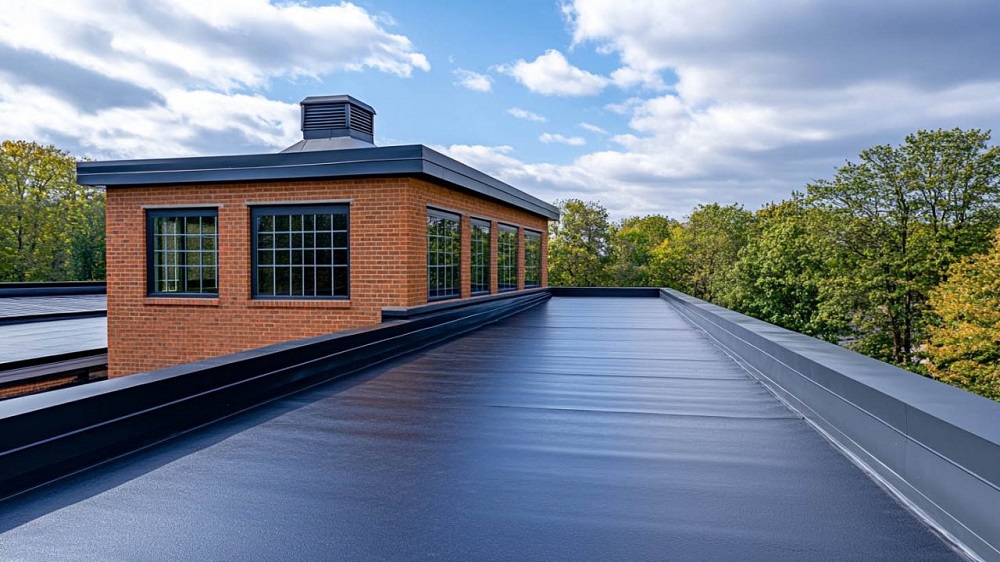
When it comes to roofing options, homeowners and building professionals are often faced with a choice between pitched and flat roofs. While pitched roofs have long been the traditional go-to for many homes, flat roofs have become increasingly popular in modern construction due to their versatility, cost-effectiveness, and sleek aesthetic. Flat roofs, however, come with their own set of challenges and considerations that homeowners should be aware of before making the decision to install or repair one. In this comprehensive guide, we will explore everything you need to know about flat roofs, from their types and benefits to potential drawbacks and maintenance requirements.
What is a Flat Roof?
A flat roof is a roofing system that is almost level, with a slight pitch (usually less than 10 degrees) designed to allow water to drain efficiently. Unlike traditional sloped roofs, which use gravity to move water down the roof and into gutters, flat roofs rely on drainage systems such as scuppers, internal drains, or gutters to direct water off the surface. This style of roof has been a staple in commercial and industrial buildings for many years, but it has gained traction in residential construction, especially for contemporary, minimalist designs and homes where space is at a premium.
Types of Flat Roofs
Flat roofs come in various materials and designs, each offering unique advantages and disadvantages depending on your needs, budget, and climate. The most common types of flat roofs include:
1. Built-Up Roof (BUR)
Built-up roofs, also known as “tar and gravel” roofs, are a traditional and popular choice for flat roofing. They consist of multiple layers of bitumen (asphalt or coal tar) and reinforcing fabrics such as fiberglass or polyester. The layers are applied in alternating layers to form a durable, weather-resistant membrane. The top layer is often covered with gravel to protect against UV rays and add ballast for stability.
-
Advantages: Long-lasting (up to 30 years), excellent waterproofing, good fire resistance.
-
Disadvantages: Heavier than other systems, requires regular maintenance, and the installation process can be labor-intensive.
2. EPDM (Ethylene Propylene Diene Monomer)
EPDM is a synthetic rubber roofing membrane that is highly durable, lightweight, and cost-effective. This material is typically available in large rolls, making it ideal for covering large flat surfaces without seams, which reduces the potential for leaks. EPDM roofs are known for their resilience in extreme temperatures and weather conditions, making them a good choice for both hot and cold climates.
-
Advantages: Low maintenance, flexible, long-lasting (up to 50 years), energy-efficient.
-
Disadvantages: Can be prone to punctures if not installed properly, and repairs can be tricky if the membrane is damaged.
3. TPO (Thermoplastic Olefin)
TPO roofing is a single-ply membrane that is heat-welded at the seams to create a durable, waterproof barrier. TPO roofs are made from a blend of rubber and plastic, which gives them a reflective surface that helps reduce cooling costs by reflecting UV rays and heat away from the building.
-
Advantages: Energy-efficient, heat-reflective, resistant to UV damage and chemical exposure, relatively easy to install.
-
Disadvantages: Can degrade over time if not properly maintained, and it is susceptible to damage from high winds or foot traffic.
4. PVC (Polyvinyl Chloride)
PVC roofing is a single-ply membrane made of a durable plastic material. It is often used in both commercial and residential flat roof applications due to its long lifespan and resistance to UV rays, chemicals, and fire. PVC roofing membranes are known for their strength and flexibility.
-
Advantages: Long-lasting, highly resistant to chemical damage, excellent for commercial applications, and energy-efficient.
-
Disadvantages: More expensive than other roofing materials, may require professional installation, and can be prone to cracking in extreme temperatures.
5. Modified Bitumen
Modified bitumen is an upgraded version of the traditional BUR system. It uses modified asphalt combined with polymer additives to create a more flexible, durable membrane. The roof is installed using heat or cold adhesive methods, which allows for faster and more secure installation than traditional tar-based systems.
-
Advantages: Good resistance to weather elements, flexible, relatively easy to repair.
-
Disadvantages: Can be vulnerable to punctures if not installed correctly, and the roofing material may become brittle over time.
Benefits of Flat Roofs
Flat roofs offer several advantages that make them an attractive option for both residential and commercial buildings:
1. Space Efficiency
One of the most significant benefits of a flat roof is the additional space it provides. The flat surface can be used for various purposes, such as a rooftop garden, outdoor living area, or even for the installation of solar panels. In densely populated areas or on smaller plots of land, flat roofs allow homeowners to maximize their available space.
2. Cost-Effectiveness
Flat roofs generally cost less to install compared to sloped roofs. The simpler design and less complex construction process make them a more budget-friendly option for homeowners and builders. Additionally, flat roofs are often easier and less expensive to repair than their sloped counterparts, especially in cases where the roof material is not overly complex.
3. Modern Aesthetic
Flat roofs are often associated with modern, minimalist architecture. Their sleek lines and clean appearance are ideal for contemporary designs, making them a popular choice for homeowners looking to achieve a more modern look for their home.
4. Easy Maintenance and Accessibility
Since flat roofs are easier to access than sloped roofs, maintenance and inspections tend to be simpler. Homeowners or contractors can walk on the roof to inspect for any issues such as leaks, debris, or damage. This easy accessibility can make flat roof maintenance more manageable, especially for DIY enthusiasts.
Drawbacks of Flat Roofs
While flat roofs offer a number of benefits, they do come with certain drawbacks that should be carefully considered before installation:
1. Drainage Issues
Because flat roofs have minimal pitch, they are more prone to water pooling, which can lead to leaks, water damage, and mold growth. If the drainage system is not installed correctly or becomes clogged, water can accumulate on the roof and cause significant damage over time.
2. Shorter Lifespan
While modern flat roofing materials are highly durable, they tend to have a shorter lifespan than traditional pitched roofs. For instance, built-up roofs typically last 20-30 years, while synthetic membranes like EPDM can last up to 50 years. In contrast, asphalt shingles on a pitched roof may last upwards of 30-50 years. Consequently, flat roofs may require more frequent replacements and repairs.
3. Maintenance Demands
Although flat roofs are easier to access, they can require more frequent maintenance compared to pitched roofs. The accumulation of debris, such as leaves or dirt, can block the drainage system and cause water to pool. Additionally, because flat roofs are exposed to more direct sunlight, they can degrade faster than sloped roofs, requiring periodic inspections and repairs.
4. Potential for Leaks
Leaks are a common concern with flat roofs, particularly if the installation or materials are of poor quality. Even with proper installation, the seams of flat roofing materials can be susceptible to water infiltration, especially during heavy rain or snowstorms. Proper maintenance and timely repairs are essential to prevent these leaks from becoming major issues.
Conclusion
Flat roofs offer many advantages, including cost savings, modern aesthetics, and additional usable space. They are a practical choice for homeowners looking to optimize their roof’s functionality and appearance. However, they do come with specific challenges, particularly around drainage, maintenance, and the potential for leaks. By choosing the right material and ensuring proper installation and upkeep, a flat roof can provide long-lasting protection and add considerable value to a home. Whether you’re considering a flat roof for a new build or replacing an existing one, it is important to weigh the benefits and potential drawbacks to ensure that it is the right fit for your home and lifestyle. With the right care and attention, a flat roof can be an excellent, durable, and stylish choice for your roofing needs.