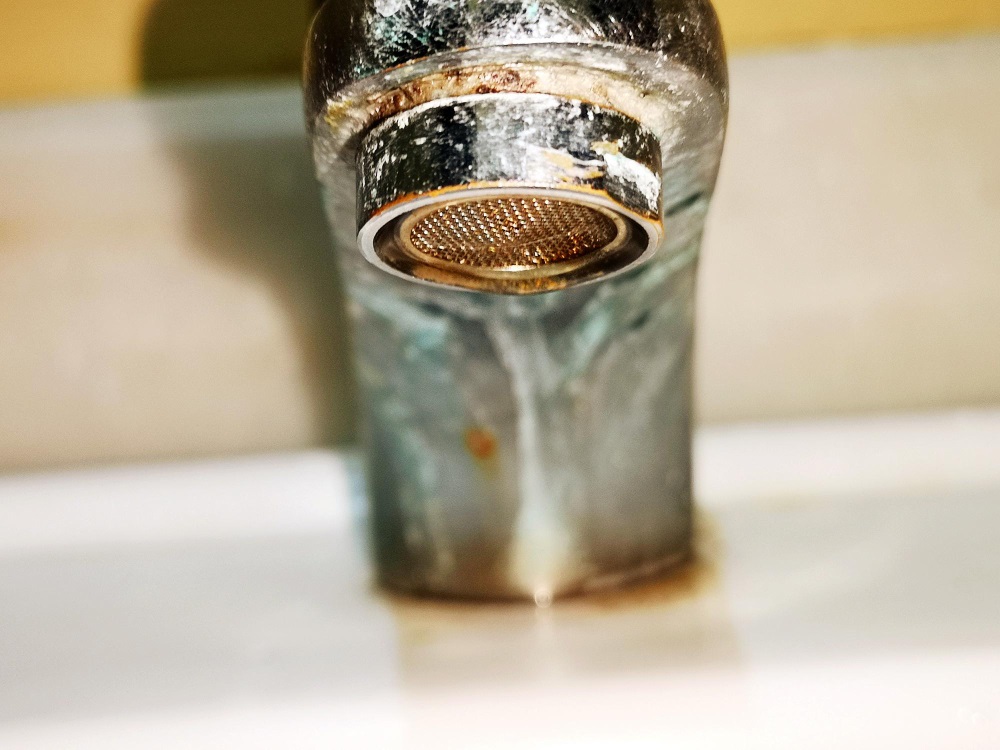
Plumbing, an integral part of every modern home and business, has long been considered an essential but often invisible aspect of daily life. Traditionally, plumbing maintenance has centered around fixing leaks, unblocking drains, and ensuring that water systems function correctly. However, as technology advances and sustainability becomes more of a priority, the plumbing industry has witnessed a dramatic shift in the way maintenance is approached. From smart plumbing systems to eco-friendly practices, new trends in plumbing maintenance are transforming the way professionals and homeowners alike address their plumbing needs. These innovations not only promise to enhance the efficiency of plumbing systems but also contribute to long-term savings, environmental sustainability, and better overall home management.
In this article, we will explore several of the most exciting and transformative trends in plumbing maintenance that are changing the landscape of the industry. These trends are ushering in a new era of plumbing care, where technology and sustainability are at the forefront of the conversation.
1. Smart Plumbing Systems
One of the most significant trends that are revolutionizing plumbing maintenance is the advent of smart plumbing systems. As the world becomes increasingly connected, the concept of a “smart home” extends to plumbing as well. Homeowners now have access to a variety of smart plumbing devices designed to monitor, detect, and even repair plumbing issues before they escalate into more significant problems.
Smart water meters, for instance, allow homeowners to monitor water usage in real-time. These devices can detect unusual spikes in water consumption, which could indicate a hidden leak or faulty appliance. Alerts are sent to the homeowner’s smartphone, enabling them to take action before the problem worsens. In addition to saving water and reducing utility bills, these smart systems help homeowners detect plumbing issues early, preventing costly repairs or water damage.
Another example of smart plumbing technology is leak detection sensors, which can be installed under sinks, behind walls, or near water heaters. These sensors provide continuous monitoring of the plumbing system and send notifications when a leak is detected. With early warnings, homeowners can act quickly to address leaks, minimizing damage and reducing the need for expensive repairs.
Additionally, smart thermostats connected to water heaters are becoming increasingly popular. These systems allow homeowners to control their water temperature remotely, ensuring that they always have hot water at the right temperature while optimizing energy consumption.
2. Eco-Friendly Plumbing Solutions
As awareness about climate change and environmental sustainability grows, many homeowners are looking for ways to reduce their carbon footprint, and plumbing maintenance is no exception. Eco-friendly plumbing solutions are now a hot trend, with a focus on conserving water, reducing energy consumption, and using sustainable materials in plumbing installations.
One of the most popular eco-friendly trends is the adoption of low-flow fixtures. Toilets, showerheads, faucets, and even irrigation systems are now designed to minimize water waste without compromising performance. Low-flow toilets, for example, use significantly less water per flush while still maintaining high efficiency. These fixtures help conserve water, which is especially important in regions where water scarcity is a growing concern.
Similarly, water-saving showerheads and faucets are designed to deliver the same water pressure while using less water. These innovations not only help reduce water consumption but also contribute to lower water bills, making them both environmentally and financially beneficial.
Another exciting eco-friendly trend is the use of tankless water heaters. Unlike traditional water heaters, which store large amounts of water and continually heat it, tankless water heaters heat water on demand. This system eliminates the need for a storage tank, reducing energy consumption and eliminating the risk of standby heat loss. Tankless water heaters can be a bit more expensive upfront but offer long-term savings by reducing energy usage.
In addition, more plumbers are now recommending the use of sustainable materials, such as copper and PEX piping, which are more durable and have a longer lifespan than older materials like PVC. These materials reduce the need for frequent repairs and replacements, minimizing waste and the environmental impact of plumbing maintenance.
3. Preventive Maintenance and Predictive Analytics
Gone are the days when plumbing maintenance was reactive. With the rise of advanced monitoring technologies and predictive analytics, plumbing professionals and homeowners alike are shifting towards a more proactive approach. Preventive maintenance has always been a key component of plumbing care, but now, thanks to data-driven tools, this practice is more effective than ever.
Predictive maintenance uses real-time data collected from plumbing systems to predict when certain components might fail. By analyzing this data, maintenance can be scheduled at the optimal time, avoiding unexpected issues and minimizing downtime. For instance, if a water pump is showing signs of wear and tear based on performance data, a technician can replace or repair it before it breaks down completely.
Some plumbers are now employing Internet of Things (IoT) technology to install sensors in various parts of a home’s plumbing system. These sensors monitor water pressure, temperature, and flow rates and send information to a central system. By analyzing this data, plumbers can detect potential issues like clogs, leaks, or pressure imbalances long before they become major problems. This allows for smarter, more targeted maintenance, reducing the need for emergency repairs.
Another aspect of predictive analytics is water quality testing. Regularly testing the water quality can help identify problems such as contamination or mineral buildup, which can damage pipes and affect the health of residents. By catching these issues early, homeowners can avoid long-term plumbing damage and ensure that their water remains safe to use.
4. Water Filtration and Purification Systems
As concerns over water quality continue to rise, many homeowners are turning to advanced water filtration and purification systems to ensure that the water coming into their homes is clean and safe. These systems are an increasingly important part of modern plumbing maintenance, and they offer significant long-term benefits.
In addition to improving water quality, many of these filtration systems are designed to reduce the buildup of minerals and contaminants in pipes. For example, water softeners help eliminate the negative effects of hard water, such as mineral deposits and scale buildup, which can damage pipes and appliances over time. Soft water can extend the life of plumbing fixtures and appliances, reduce energy consumption, and prevent costly repairs.
Reverse osmosis systems, which filter out a wide range of contaminants, are also becoming more popular for households looking for clean, purified drinking water. These systems are highly effective in removing harmful substances like chlorine, lead, and pesticides, providing families with safe, clean water while reducing reliance on bottled water.
5. DIY Plumbing Maintenance Tools
With advancements in plumbing technology, some homeowners are now empowered to tackle basic plumbing maintenance on their own. New, user-friendly tools have made it easier for non-professionals to handle common plumbing issues without needing to call a plumber every time something goes wrong. From simple leak detection systems to pipe-cleaning solutions, the DIY plumbing tools available today are efficient and accessible.
For instance, DIY leak detectors are now available in compact, easy-to-use formats. These devices can be placed in strategic locations around the home, alerting homeowners to leaks before they cause significant damage. Similarly, drain cleaning tools such as plumbing augers and hydro-jetting systems allow homeowners to clear minor blockages in pipes without the need for expensive professional intervention.
While complex plumbing problems should still be left to the experts, these new DIY tools offer homeowners the ability to perform routine maintenance and small repairs themselves, saving money and reducing the strain on local plumbing professionals.
Conclusion
The plumbing industry is undergoing a remarkable transformation, driven by advancements in technology, sustainability, and maintenance practices. With the rise of smart plumbing systems, eco-friendly solutions, preventive maintenance, and user-friendly DIY tools, homeowners now have more options than ever to improve the efficiency, durability, and sustainability of their plumbing systems. These new trends not only help reduce water and energy consumption but also make plumbing care more proactive, cost-effective, and environmentally responsible.
As these trends continue to evolve, we can expect plumbing maintenance to become increasingly integrated with the modern, tech-savvy home. For homeowners, adopting these innovative practices can result in long-term savings, improved water quality, and a healthier, more sustainable living environment. Embracing these new trends will undoubtedly reshape how we maintain our plumbing systems and improve our homes for years to come.