When we think about maintaining our homes, it’s easy to focus on the obvious—keeping the roof intact, ensuring the plumbing runs smoothly, or checking that the appliances are working correctly. However, one of the most crucial elements of home comfort, health, and energy efficiency is often overlooked: your HVAC system. The HVAC (heating, ventilation, and air conditioning) system is responsible for maintaining comfortable temperatures, controlling humidity, and ensuring air quality throughout your home. Given its importance, regular maintenance is essential to keep it running at optimal performance.
In this article, we’ll explore why HVAC maintenance is not just a good idea, but an essential part of any comprehensive home care strategy. From enhancing energy efficiency and prolonging system lifespan to improving indoor air quality and reducing repair costs, the benefits of regular maintenance cannot be overstated. Let’s take a closer look at why your HVAC strategy needs maintenance and how it can improve both your home’s comfort and your wallet.
1. Maximizing Energy Efficiency
One of the foremost reasons for maintaining your HVAC system is to ensure that it operates as efficiently as possible. An HVAC system that hasn’t been serviced in a while can lose efficiency over time. A dirty air filter, blocked ducts, or a malfunctioning component can force the system to work harder to achieve the same level of heating or cooling. This not only wastes energy but also leads to increased utility bills.
Regular maintenance allows HVAC professionals to clean and check the system for any inefficiencies. For example, changing air filters, cleaning evaporator and condenser coils, and ensuring proper refrigerant levels are critical for the system’s performance. A well-maintained HVAC unit can operate at optimal efficiency, reducing energy consumption and helping to lower your monthly heating and cooling costs.
Moreover, as the world continues to focus on sustainability, maintaining an energy-efficient HVAC system contributes positively to your home’s carbon footprint. By reducing energy consumption, you’re making your home more eco-friendly—an important consideration for those seeking to live in a more environmentally conscious way.
2. Prolonging the Lifespan of Your System
Every homeowner wants their HVAC system to last as long as possible. After all, installing a new HVAC system is a significant investment, and the longer it lasts, the better. Regular maintenance is crucial to ensuring that your HVAC system operates for its full expected lifespan, which can range anywhere from 10 to 20 years, depending on the type of system and how well it’s cared for.
Without regular maintenance, small issues that might be easily fixed can evolve into larger, more expensive problems. For example, a small refrigerant leak might seem insignificant at first, but over time it can damage the compressor, a much more costly component to replace. Routine maintenance helps detect these issues early on before they have a chance to escalate, keeping your HVAC system running smoothly for as long as possible.
In addition, replacing major components such as compressors or motors can be expensive. Through maintenance, the technician can lubricate moving parts, ensure proper airflow, and check for signs of wear and tear—helping to prevent the need for these costly repairs or replacements down the line.
3. Preventing Costly Repairs
It’s easy to ignore maintenance tasks, thinking that a system running smoothly doesn’t need attention. However, this attitude can lead to more significant problems down the road. Much like how car owners keep their vehicles maintained to avoid engine breakdowns, neglecting your HVAC system can lead to costly repairs or, even worse, a full system breakdown when you need it most.
During regular maintenance, HVAC technicians will perform a comprehensive inspection of your system, identifying any potential problems before they turn into expensive repairs. A malfunctioning thermostat, a broken fan, or a clogged filter may not be obvious immediately, but a technician can catch these issues early. Regular maintenance typically costs much less than a major repair or replacement, so staying on top of it can save you a significant amount of money over time.
4. Improving Indoor Air Quality
Air quality is a crucial consideration for any homeowner, and HVAC maintenance plays a vital role in maintaining a healthy indoor environment. Over time, dust, dirt, pet dander, and other allergens can accumulate in your HVAC system, especially in the air ducts. These particles can then circulate throughout your home, affecting your indoor air quality and potentially leading to respiratory issues, especially for those who suffer from allergies or asthma.
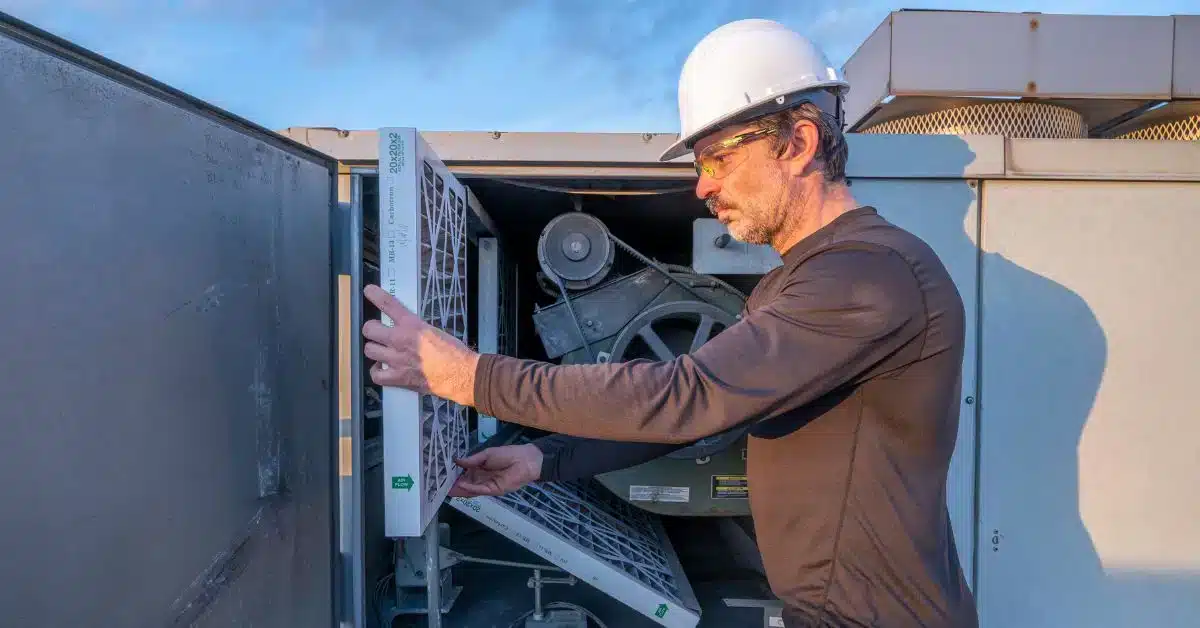
One of the key elements of HVAC maintenance is cleaning and replacing air filters. A clogged or dirty air filter can restrict airflow, allowing contaminants to build up and circulate through your home. Regular maintenance ensures that your filters are cleaned or replaced, which helps reduce airborne allergens and improves the air you breathe.
Furthermore, an HVAC system that is properly maintained helps control humidity levels, another important factor in indoor air quality. A system that is not working efficiently can lead to high humidity levels, which can contribute to the growth of mold and mildew in your home. Regular maintenance helps keep humidity levels in check, promoting a healthier living environment.
5. Maintaining Consistent Comfort
Your HVAC system is responsible for keeping your home at a comfortable temperature year-round. However, when the system is neglected, it can become prone to inefficiency and inconsistency. For example, you might notice uneven heating or cooling throughout your home, with certain rooms feeling too hot or too cold. This discomfort is often a sign that your HVAC system is malfunctioning or not operating as efficiently as it should.
Routine maintenance ensures that your system provides consistent comfort throughout the year. Technicians will check that the system’s components, such as the blower fan and air ducts, are functioning properly and distributing air evenly throughout the home. If there are any imbalances or issues, they can be addressed before they impact your comfort. This means that you can trust your system to keep your home at the desired temperature without spikes in heating or cooling.
6. Enhancing System Safety
HVAC systems, especially furnaces, involve the use of gas or electricity, which can present safety hazards if not maintained properly. A gas furnace, for example, may develop a gas leak or experience faulty ignition, both of which pose serious risks to your safety. Air conditioning systems, too, may have electrical issues that could cause system failure or even fires if left unchecked.
Routine maintenance provides an opportunity for professionals to check for potential safety hazards in your HVAC system. During these visits, technicians will inspect electrical connections, gas lines, and combustion systems to ensure that everything is working properly. They can also check for any gas leaks, carbon monoxide buildup, or other issues that could endanger your health or safety.
7. Seasonal Peace of Mind
One of the greatest benefits of HVAC maintenance is the peace of mind it provides. Seasonal check-ups, particularly before the summer and winter seasons, ensure that your system is prepared to handle the temperature demands of the coming months. Before the heat of summer hits or the chill of winter settles in, having your system tuned up by a professional technician ensures that it will perform as expected when you need it most.
By scheduling maintenance during the off-season, you’ll avoid long wait times when systems break down during peak seasons. It’s also easier to plan for any repairs or replacements when there’s less pressure and fewer service calls clogging up technicians’ schedules.
Conclusion
Maintaining your HVAC system isn’t just about keeping your home comfortable—it’s about ensuring long-term efficiency, preventing costly repairs, and improving the quality of your indoor air. Routine HVAC maintenance is a wise investment in your home’s overall health, longevity, and energy efficiency. By staying proactive and scheduling regular check-ups with a qualified HVAC professional, you can rest easy knowing that your system is ready to tackle whatever the season throws its way.
From maximizing energy efficiency and reducing repair costs to enhancing air quality and prolonging system life, the importance of regular HVAC maintenance cannot be overstated. It’s a key part of any well-rounded home maintenance strategy—one that ensures comfort, savings, and peace of mind for years to come.