When it comes to maintaining a comfortable and healthy home, many homeowners focus on the more visible aspects: aesthetic appeal, temperature control, or energy efficiency. However, one of the most overlooked, yet critical, elements of a home’s environment is air quality and ventilation. Poor air quality can significantly affect the health and well-being of the residents, contributing to a range of issues, from allergies and respiratory problems to fatigue and poor sleep. A properly ventilated home, on the other hand, helps regulate humidity, reduces indoor pollutants, and ensures a continuous flow of fresh air, all of which contribute to better indoor air quality.
In this article, we’ll explore why ventilation and air quality are paramount for your home’s health and offer actionable strategies for improving both. Whether you live in a new build or an older property, taking steps to optimize the air inside your home can make a world of difference.
Understanding the Importance of Ventilation and Air Quality
Before diving into how to improve air quality and ventilation in your home, it’s essential to understand why they are so important. Good ventilation helps to remove indoor pollutants such as dust, smoke, and volatile organic compounds (VOCs), which are emitted by household products like cleaning agents, paints, and furniture. Additionally, proper ventilation prevents excess moisture build-up, which can lead to mold growth and structural damage.
On the other hand, poor air quality can have a direct impact on your health. Research shows that poor indoor air quality is linked to respiratory problems, allergies, asthma, and even cardiovascular disease. In fact, the Environmental Protection Agency (EPA) has found that indoor air can be up to five times more polluted than outdoor air, making it a significant factor in your overall well-being.
Now that we know how important ventilation and air quality are for health and comfort, let’s discuss how to enhance both in your home.
1. Install or Upgrade an Air Ventilation System
Proper ventilation is the cornerstone of good indoor air quality. It ensures that stale, polluted air is replaced with fresh, clean outdoor air. There are several ways to improve ventilation in your home, but the most effective method is to install or upgrade an air ventilation system.
There are two main types of ventilation systems to consider:
-
Exhaust Ventilation: This system works by creating negative pressure inside the house, forcing stale air out while pulling fresh air in. Exhaust fans are typically installed in high-moisture areas like bathrooms, kitchens, and laundry rooms.
-
Supply Ventilation: This system uses fans to force fresh air into the home while pushing stale air out through passive vents or exhaust fans. Supply ventilation systems are particularly beneficial in homes that are tightly sealed or energy-efficient, as they help maintain an adequate supply of fresh air without losing heat in winter.
For optimal results, consider installing a balanced ventilation system like an HRV (Heat Recovery Ventilator) or an ERV (Energy Recovery Ventilator). These systems not only improve airflow but also manage heat and humidity, ensuring your home remains comfortable and energy-efficient. They work by recovering the heat from outgoing air and transferring it to the incoming air, which helps to reduce energy costs while maintaining proper ventilation.
2. Use Air Purifiers to Remove Contaminants
Air purifiers are another excellent tool to enhance the air quality in your home. These devices filter out dust, pet dander, mold spores, pollen, smoke, and other harmful particles from the air, significantly improving indoor air quality.
There are different types of air purifiers, and choosing the right one depends on your specific needs. For example, HEPA filters are highly effective at capturing small particles and allergens, making them ideal for households with asthma or allergies. For those living in areas with high levels of outdoor pollution, a carbon filter can help absorb gases and odors, including volatile organic compounds (VOCs) that are commonly emitted by cleaning products, paints, and furniture.
When selecting an air purifier, ensure that it’s appropriately sized for the space in which it will be used. A small air purifier for a large room won’t be as effective, and conversely, a large air purifier in a small room may consume excess energy.
3. Regularly Change Air Filters in Your HVAC System
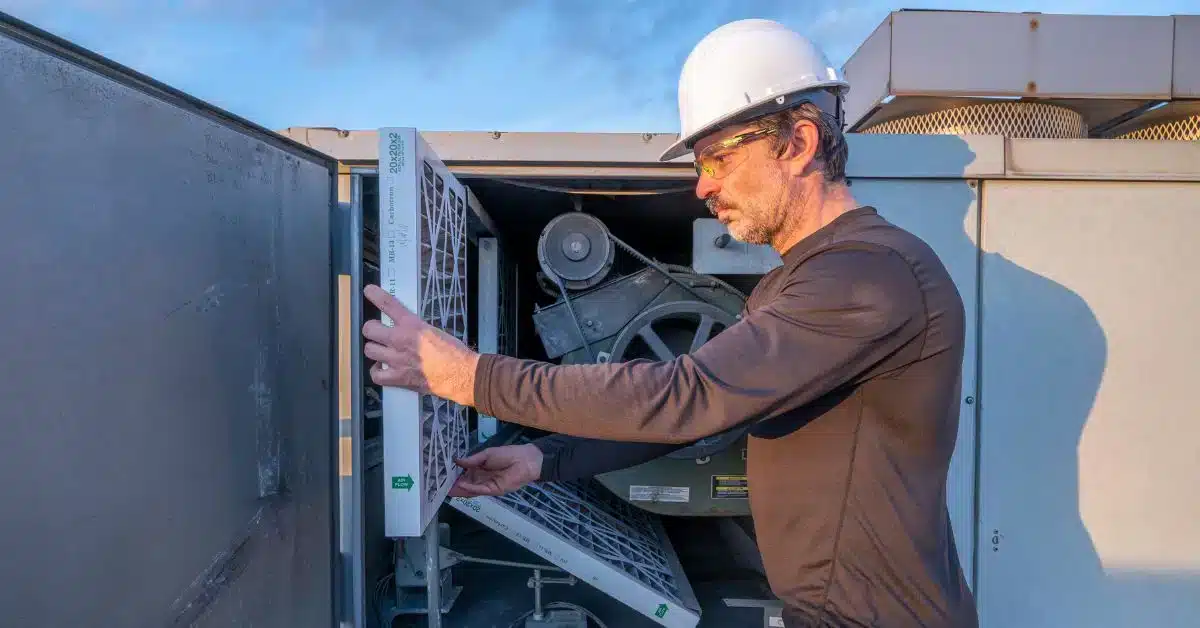
Your HVAC system is likely the primary method of air circulation in your home. Therefore, keeping it in optimal working condition is crucial for maintaining good air quality. One of the simplest yet most effective maintenance tasks is changing the air filters regularly.
Air filters capture dust, dirt, pet hair, and other particles, preventing them from circulating throughout your home. Over time, however, filters become clogged with debris, which can restrict airflow and decrease the efficiency of your HVAC system. This not only affects air quality but can also lead to higher energy bills and a greater likelihood of system breakdowns.
To ensure your HVAC system is working efficiently and your air quality remains high, replace filters every 1–3 months, depending on the type of filter and the level of use. For those with allergies, using high-efficiency particulate air (HEPA) filters will help trap smaller particles that could otherwise cause health problems.
4. Control Humidity Levels
Humidity plays a significant role in both air quality and ventilation. When humidity is too high, it creates an environment conducive to mold growth, which can negatively affect air quality and pose health risks. Conversely, excessively dry air can lead to discomfort, dry skin, and irritation of the respiratory system.
To keep humidity levels in check, consider using a dehumidifier in areas prone to moisture, such as basements, bathrooms, and kitchens. A dehumidifier helps remove excess moisture from the air, preventing mold growth and improving air quality. In drier climates, or during the winter months when indoor air tends to be drier, a humidifier can add moisture to the air to prevent discomfort and respiratory issues.
The ideal indoor humidity level is generally between 30% and 50%. Invest in a hygrometer, a tool that measures humidity, to ensure your home remains in this optimal range.
5. Seal Leaks and Improve Insulation
Sealing leaks around windows, doors, and vents is a crucial step in improving both ventilation and energy efficiency. Gaps or cracks allow outdoor air to infiltrate the home, which can bring pollutants, dust, and allergens inside. Additionally, leaks in your home can result in energy loss, causing your HVAC system to work harder than necessary.
Seal any visible gaps using weatherstripping or caulk, and check for leaks around ducts or vents. If you live in an older home, you may also want to consider improving your insulation to reduce the need for excessive heating or cooling, which can affect air quality.
6. Ventilate with Natural Airflow
While mechanical ventilation systems and air purifiers are excellent tools, don’t underestimate the benefits of natural airflow. Opening windows and doors periodically allows fresh air to flow through your home, flushing out stale air and pollutants. This is especially effective on days with mild weather when outdoor air quality is better than indoor air.
However, be mindful of outdoor pollution levels. If you live in an area with high levels of traffic, construction, or industrial pollution, it’s best to ventilate your home during times when the outdoor air quality is at its best, typically in the morning or evening.
7. Regular Cleaning to Reduce Dust and Allergens
Even the best ventilation systems can’t keep the air clean if your home is covered in dust and allergens. Regular cleaning is essential for maintaining good air quality. Dust surfaces regularly, vacuum with a HEPA filter-equipped vacuum, and wash bedding and curtains frequently to reduce allergens. Consider using washable rugs instead of carpets, as they are easier to clean and less likely to trap dust.
Conclusion
Improving your home’s ventilation and air quality is not just about comfort; it’s about creating a healthier, more sustainable living environment. Whether you’re installing an advanced ventilation system, using air purifiers, or improving humidity control, each step you take will help ensure that the air inside your home is fresh, clean, and conducive to your overall well-being.
With the right strategies in place, you’ll enjoy a home that’s not only more comfortable but also safer and healthier for you and your family. By focusing on air quality and ventilation, you’re investing in your long-term health, happiness, and comfort.