When it comes to ensuring your home remains comfortable throughout the changing seasons, few systems are as integral as your HVAC system. This often complex network of heating, ventilation, and air conditioning works tirelessly to regulate your home’s temperature, air quality, and overall comfort. Among the core components of an HVAC system, the furnace is paramount during colder months, providing warmth and maintaining a comfortable indoor environment.
However, while furnaces are commonly associated with efficient heating, they are sometimes neglected in terms of maintenance, upgrades, or improvements. Many homeowners may not realize that their furnace could be missing crucial elements that can enhance both performance and efficiency. In this article, we’ll explore some essential furnace features that your HVAC system may be missing—and why you should consider integrating them for better performance, reduced energy bills, and long-term reliability.
1. A High-Efficiency Furnace
One of the most essential furnace features to consider is the efficiency of the unit itself. Traditional furnaces, particularly older models, are often less energy-efficient, meaning they consume more fuel to heat your home. Over time, this inefficiency can lead to higher energy bills and a larger environmental footprint.
High-efficiency furnaces, on the other hand, use advanced technology to deliver more heat with less energy. Modern models typically boast an Annual Fuel Utilization Efficiency (AFUE) rating of 90% or higher, which means they convert 90% or more of the energy they consume into usable heat. By upgrading to a high-efficiency furnace, you’ll not only cut your heating costs but also reduce the environmental impact of your HVAC system. These units often feature a secondary heat exchanger, which extracts even more heat from the exhaust gases, allowing the furnace to operate more efficiently.
2. Proper Airflow and Ductwork Design
Your furnace isn’t working in isolation. It relies on a well-designed duct system to circulate heated air throughout your home. A common issue with many HVAC systems is improper ductwork or insufficient airflow. Without proper airflow, the furnace has to work harder, which can lead to inefficiency and increased wear and tear on the unit.
One key feature that many HVAC systems miss is properly sized and sealed ductwork. If your ducts are too small or poorly sealed, you might experience inconsistent heating, higher energy consumption, or even reduced furnace lifespan. A well-designed system will ensure that air is distributed evenly throughout your home, maintaining a comfortable temperature and reducing energy waste.
Additionally, it’s crucial to clean and maintain the ducts regularly. Over time, dust, debris, and even mold can accumulate in the ducts, clogging the airflow and impeding the furnace’s efficiency. Schedule regular duct cleaning to ensure smooth and uninterrupted airflow, which will help your furnace run at its best.
3. Zoning Systems for Better Control
Another essential component that many HVAC systems lack is a zoning system. A zoning system divides your home into different sections, or “zones,” each with its own thermostat. This enables you to control the temperature in each zone individually, ensuring that the furnace only heats the areas that need it.
For instance, you can set the thermostat in your living room to a higher temperature while leaving the bedrooms cooler, or vice versa, depending on your preferences. This eliminates the need to heat unoccupied spaces, saving energy and providing more control over your home’s overall comfort.
Without a zoning system, your furnace will typically heat the entire home to the same temperature, which may be inefficient if certain areas of the house are rarely used. If you have a large home or multiple floors, a zoning system can significantly enhance your HVAC’s efficiency and comfort.
4. Smart Thermostat Integration
While traditional thermostats provide basic control over your home’s heating, the integration of a smart thermostat can revolutionize how you manage your furnace. A smart thermostat allows you to set schedules, remotely control the temperature via smartphone apps, and even learn your preferences over time.
With features like geofencing, a smart thermostat can automatically adjust the temperature when you’re home or away, ensuring that energy isn’t wasted while you’re not around. It can also be programmed to optimize heating times, adjusting your furnace’s output based on the time of day or weather conditions. By pairing your furnace with a smart thermostat, you can enjoy enhanced comfort while minimizing energy waste.
5. Advanced Filtration Systems
Another essential feature that many HVAC systems lack is a high-quality filtration system. While standard filters may remove dust, dirt, and other debris from the air, they often fail to capture smaller particles like allergens, bacteria, and mold spores, which can degrade indoor air quality.
Upgrading your furnace with a high-efficiency particulate air (HEPA) filter or a more advanced filtration system can help remove these harmful particles and provide cleaner, healthier air. This is especially beneficial for people with allergies, asthma, or respiratory issues.
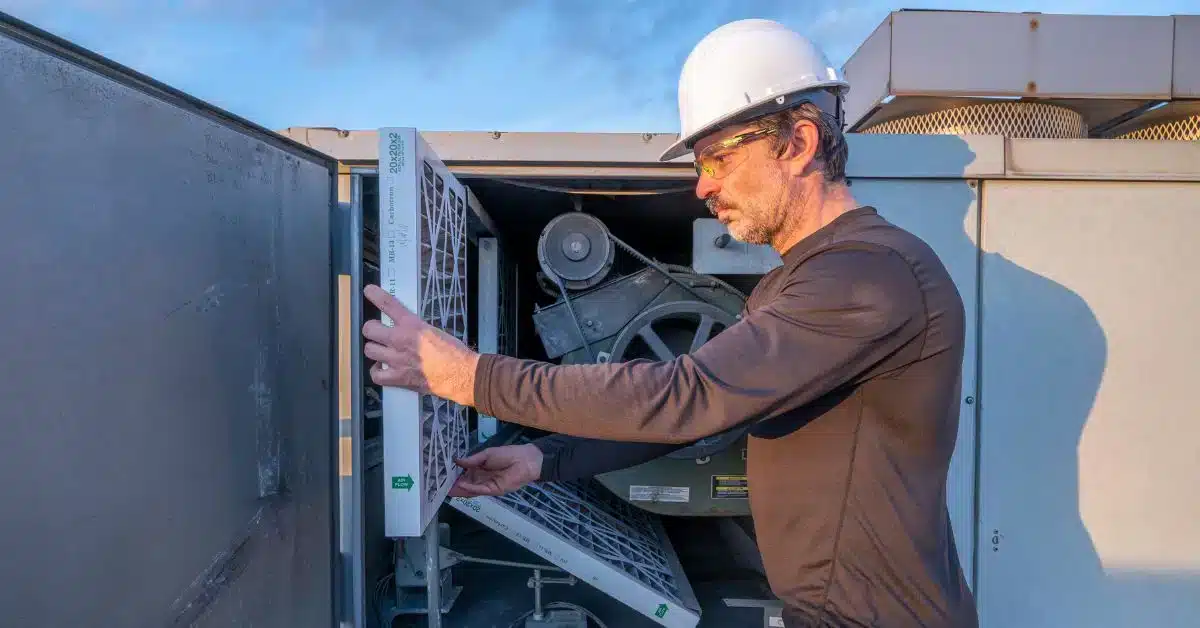
Additionally, a high-quality filtration system can also extend the lifespan of your furnace by preventing dust and debris from accumulating on the unit. A clogged filter can cause the furnace to work harder, reducing its efficiency and potentially causing overheating or other issues. Regularly replacing or upgrading your filters is an easy and effective way to improve your furnace’s performance.
6. Variable-Speed Blower Motors
Many older furnaces are equipped with single-speed blower motors, meaning the blower operates at full power at all times. While this may work for some situations, it can be inefficient and result in fluctuations in temperature throughout the home.
A variable-speed blower motor, however, allows the furnace to adjust its airflow according to the heating demand. This means that the furnace can operate at lower speeds when only a small amount of heat is needed, reducing energy consumption and improving efficiency.
Additionally, a variable-speed motor helps maintain a more consistent temperature throughout your home, avoiding the sharp fluctuations that often occur with single-speed blowers. It also reduces the amount of noise generated by the furnace, contributing to a quieter and more comfortable living environment.
7. Regular Furnace Maintenance
No matter how advanced your furnace is, it won’t perform optimally without proper maintenance. Many HVAC systems miss out on routine checkups, which can result in premature wear and decreased efficiency. Regular furnace maintenance, which includes cleaning, lubricating, inspecting, and replacing worn-out parts, ensures that your unit operates at peak efficiency.
A professional HVAC technician should inspect your furnace at least once a year, ideally before the heating season begins. This preventative maintenance will help identify potential issues before they become costly problems, ultimately extending the lifespan of your furnace and ensuring that your system remains reliable for years to come.
Conclusion
Your HVAC system’s furnace is a critical component in maintaining the comfort of your home during the colder months. While many furnaces come equipped with basic functionality, upgrading your system with these essential features can greatly improve both performance and efficiency. Whether it’s investing in a high-efficiency unit, enhancing airflow through better ductwork, or integrating advanced controls like smart thermostats and zoning systems, there are many ways to optimize your heating system.
By ensuring that your furnace is equipped with these key essentials, you can improve indoor air quality, lower your energy bills, and extend the lifespan of your HVAC system. Ultimately, a well-maintained, efficient furnace is not just a luxury but a necessity for homeowners seeking comfort and savings throughout the year.