
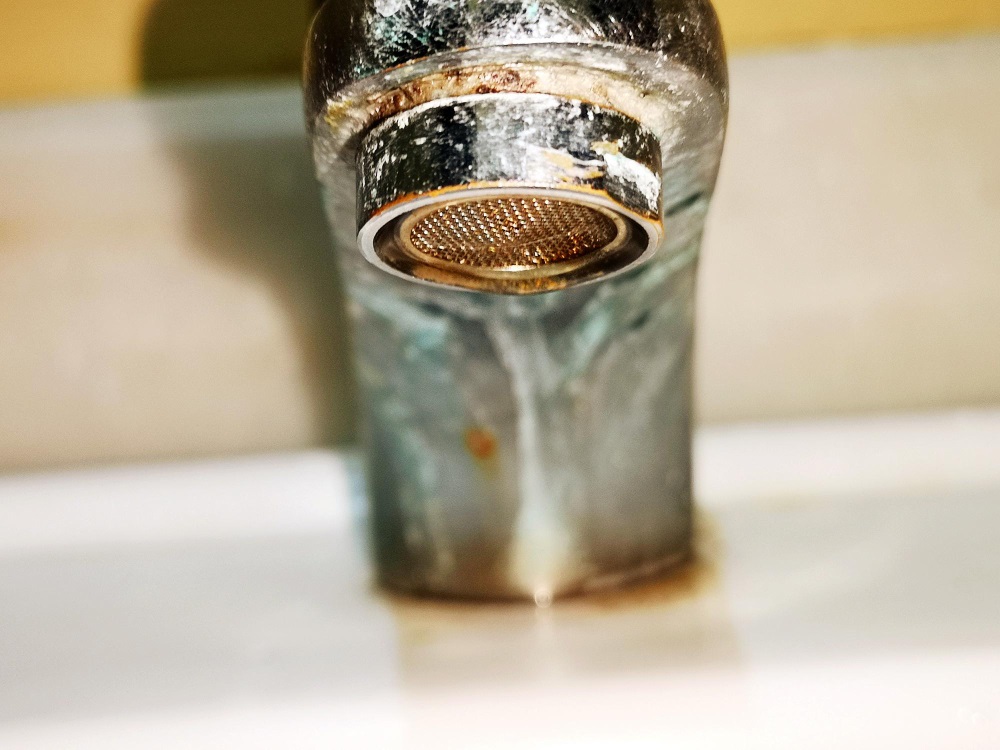
Hard water is a common issue in many regions and often goes unnoticed until it begins damaging plumbing infrastructure. While it may appear harmless at first, the minerals dissolved in hard water gradually affect pipes, fixtures, appliances, and overall water efficiency throughout a home. Understanding how this process works helps homeowners prevent costly repairs and extend the life of their plumbing systems.
What Is Hard Water and Why It Matters
Hard water contains elevated levels of dissolved minerals, primarily calcium and magnesium. These minerals are naturally picked up as groundwater travels through rock and soil layers before reaching residential supply systems.
Although safe for drinking, hard water leaves behind mineral deposits known as scale. Over time, this scale accumulates inside plumbing components and begins to interfere with normal operation.
Key characteristics of hard water include:
- White residue on faucets and fixtures
- Reduced soap lathering
- Chalky stains on sinks and glassware
- Gradual clogging inside pipes
These early signs often indicate deeper plumbing concerns developing behind the walls.
Mineral Scale Buildup Inside Pipes
One of the most serious impacts of hard water occurs inside household pipes. As mineral-rich water flows through plumbing lines, calcium deposits slowly attach to pipe interiors.
This leads to several long-term problems:
- Reduced pipe diameter due to internal scale layers
- Restricted water flow throughout the house
- Increased water pressure strain on plumbing joints
- Higher risk of pipe blockage over time
Older metal piping systems are especially vulnerable because mineral deposits attach more easily to rough internal surfaces.
Eventually, scale buildup may require pipe cleaning or replacement if left untreated.
Damage to Water Heaters and Heating Efficiency
Water heaters are among the most affected plumbing appliances in homes with hard water. Minerals settle at the bottom of storage tanks or coat heating elements in electric units.
This causes several performance issues:
- Increased heating time
- Reduced energy efficiency
- Overheating of heating elements
- Shortened appliance lifespan
- Strange rumbling sounds from sediment accumulation
As scale thickness increases, the heater must work harder to warm water, leading to higher electricity or gas consumption.
Routine maintenance becomes essential in hard water regions to maintain performance.
Faucet and Fixture Blockages
Hard water minerals often accumulate around faucet aerators, showerheads, and valves. These narrow openings are especially prone to clogging because they restrict water flow pathways.
Common fixture-related problems include:
- Reduced water pressure at taps
- Uneven spray patterns in showers
- Frequent need for cleaning aerators
- Premature fixture replacement
Over time, deposits can harden and become difficult to remove without specialized cleaning solutions.
Reduced Lifespan of Plumbing Appliances
Household appliances that depend on water supply suffer gradual deterioration when exposed to mineral-rich water. Washing machines, dishwashers, and geysers are particularly vulnerable.
Hard water contributes to:
- Internal pipe coating inside appliances
- Reduced detergent effectiveness
- Higher energy consumption
- Frequent maintenance requirements
- Early appliance failure
Even small mineral deposits accumulate steadily, creating long-term operational inefficiencies.
Increased Plumbing Maintenance Costs
The financial impact of hard water becomes noticeable over time. While the damage progresses slowly, the combined effect across pipes, heaters, and fixtures leads to higher repair expenses.
Typical maintenance-related consequences include:
- Frequent replacement of faucet parts
- Water heater servicing costs
- Pipe descaling treatments
- Appliance repairs
- Higher utility bills due to reduced efficiency
Preventive treatment systems often cost less than long-term repair expenses.
Effects on Water Pressure Throughout the Home
As scale accumulates inside plumbing lines, the internal diameter of pipes gradually decreases. This restricts water movement across the system.
Signs of pressure reduction caused by hard water include:
- Slow-filling storage tanks
- Weak shower flow
- Reduced kitchen tap output
- Uneven pressure between floors in multi-story homes
Ignoring these signs can eventually result in major pipeline obstruction.
Impact on Drainage and Valve Performance
Hard water minerals do not only affect supply lines. They also accumulate in valves, connectors, and moving plumbing components.
This can lead to:
- Stiff valve operation
- Leakage at joints
- Reduced shutoff valve reliability
- Increased wear on rubber washers
Over time, these issues affect the reliability of the entire plumbing system.
Long-Term Structural Risks to Plumbing Infrastructure
In severe cases, untreated hard water exposure contributes to corrosion-related complications. Mineral deposits trap moisture against pipe surfaces, accelerating deterioration in certain materials.
Potential risks include:
- Hidden pipe weakening
- Increased leak probability
- Joint failure in older plumbing systems
- Premature replacement requirements
Preventive monitoring helps reduce these structural risks significantly.
Preventive Measures to Protect Plumbing from Hard Water
Homeowners can minimize plumbing damage by adopting simple preventive strategies.
Effective protection methods include:
- Installing water softening systems
- Cleaning faucet aerators regularly
- Flushing water heaters periodically
- Using descaling solutions when needed
- Scheduling plumbing inspections annually
Early intervention prevents long-term complications and preserves system efficiency.
Frequently Asked Questions
Can hard water cause pipe leaks over time
Yes. Mineral scale buildup can trap moisture and increase internal pressure stress, which eventually contributes to pipe weakening and leakage in older plumbing systems.
Does hard water affect underground pipelines connected to homes
Yes. Underground supply lines can also accumulate mineral deposits, especially if they are made of metal materials or remain exposed to mineral-rich groundwater for extended periods.
Is plastic piping safer in hard water conditions
Plastic pipes resist mineral attachment better than metal pipes, but they are not completely immune to buildup in joints and connectors.
How often should plumbing systems be checked in hard water areas
Annual inspection is generally recommended, although homes with severe hardness levels may benefit from more frequent checks.
Can hard water increase electricity consumption at home
Yes. Appliances like water heaters become less efficient when coated with scale, which increases energy usage during operation.
Do hard water deposits affect rooftop storage tanks
Yes. Mineral sediments settle inside storage tanks and can gradually reduce water quality and flow efficiency if not cleaned periodically.
Are water softeners the only solution for hard water plumbing damage
No. While water softeners are highly effective, regular maintenance practices such as flushing heaters and cleaning fixtures also help reduce mineral buildup significantly.


