Plumbing is one of the most vital systems in any home. It brings fresh water in for everyday use and removes wastewater, maintaining the quality of life we often take for granted. However, plumbing issues, from leaky faucets to clogged drains, can be both frustrating and costly if not addressed promptly. While many people immediately call a professional plumber at the first sign of trouble, there are numerous minor plumbing repairs that homeowners can tackle themselves, saving both time and money.
This beginner’s guide aims to provide essential insights into plumbing repairs. Whether you are dealing with a clogged drain, a leaking pipe, or a faulty water heater, knowing when to tackle a plumbing issue yourself and when to call in a professional can make all the difference. Below, we will explore common plumbing problems, step-by-step repair guides, and helpful maintenance tips for beginners.
1. Understanding Your Plumbing System
Before diving into specific plumbing repairs, it’s important to familiarize yourself with your home’s plumbing system. Understanding how your plumbing works will not only help you identify problems more easily but will also give you the confidence to make repairs when necessary.
A typical home plumbing system consists of two main systems: the supply system and the waste system. The supply system brings clean water into the house, while the waste system removes wastewater from toilets, sinks, showers, and dishwashers. Both systems are made up of various pipes, fittings, and appliances that work together to ensure everything runs smoothly.
2. Common Plumbing Problems and How to Fix Them
As a homeowner, you’ll inevitably face a few common plumbing issues. Here are some of the most frequent problems and simple solutions for beginners.
Leaky Faucets
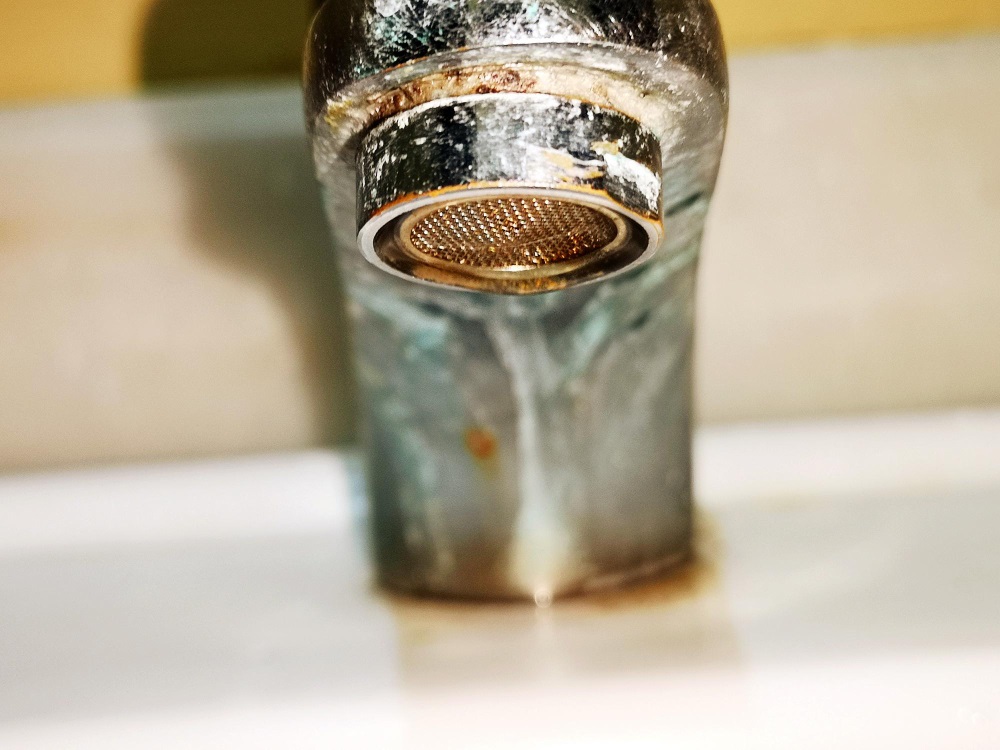
A leaky faucet is one of the most common and annoying plumbing issues. Over time, the washers and seals inside the faucet wear out, causing water to drip continuously. This can lead to significant water wastage and an increase in utility bills.
How to Fix It:
-
Turn off the water supply to the faucet. There should be a shut-off valve under the sink.
-
Remove the handle of the faucet by unscrewing it.
-
Disassemble the faucet to access the washer or cartridge. This may require a wrench or screwdriver, depending on the type of faucet.
-
Inspect the washer or cartridge. If they are worn or damaged, replace them with new ones.
-
Reassemble the faucet and turn the water supply back on to test for leaks.
This simple repair can often be done without professional assistance and can save water and money over time.
Clogged Drains
Clogged drains are another frequent plumbing issue. They can occur due to the buildup of grease, soap scum, hair, or food particles over time. While store-bought drain cleaners can provide a quick fix, they can also damage pipes in the long run.
How to Fix It:
-
Plunge the drain: Use a plunger to create suction and loosen the clog. Be sure to cover the overflow drain if it’s a bathtub or sink.
-
Use a drain snake: If plunging doesn’t work, a drain snake can be used to dislodge the clog manually.
-
Natural solutions: You can also use a mixture of baking soda and vinegar followed by hot water to clear minor blockages.
-
Clean the trap: If the clog is near the drain, you may need to disassemble the U-shaped pipe (called the trap) under the sink to remove the debris manually.
If these steps don’t solve the problem, it may be time to call a professional plumber to address deeper blockages in the system.
Running Toilet
A constantly running toilet is not only annoying but also wastes a significant amount of water. Typically, the cause of this issue is a faulty flapper or flush valve inside the toilet tank.
How to Fix It:
-
Turn off the water supply to the toilet.
-
Remove the toilet tank lid and inspect the flapper. If it’s worn or damaged, it will need to be replaced.
-
Check the chain connecting the flapper to the flush lever. If the chain is too tight or too loose, it can prevent the flapper from sealing properly, causing the toilet to run.
-
Replace the flapper or adjust the chain if necessary. You can buy replacement parts at a hardware store.
-
Turn the water supply back on and check the toilet for leaks.
Low Water Pressure
Low water pressure is often a sign that something is blocking the water flow to your fixtures. This can be caused by mineral buildup in your pipes, a clogged aerator, or issues with the water supply.
How to Fix It:
-
Check the aerator on your faucet. If it’s clogged with debris or minerals, remove it and clean it with vinegar.
-
Inspect the showerhead for similar blockages. You can soak it in vinegar overnight to dissolve mineral buildup.
-
Flush the pipes: If the issue persists, you may need to flush out your pipes to clear any sediment or debris. This often requires professional help, especially if there’s a larger blockage in the pipes.
3. When to Call a Professional Plumber
While many plumbing problems can be tackled with basic tools and know-how, there are certain issues that are best left to professionals. If you encounter any of the following situations, it’s time to call a licensed plumber:
-
Major leaks: If you notice significant water damage, mold growth, or excessive dampness in your walls, ceilings, or floors, it’s crucial to have a professional inspect the issue. Leaks in hidden pipes or walls can cause long-term damage and are best addressed by someone with experience.
-
Burst pipes: If you have a burst pipe, time is of the essence. Call a plumber immediately to prevent extensive water damage.
-
Sewer line backups: A blockage or break in your main sewer line can cause raw sewage to back up into your home. This is a hazardous issue that requires the expertise of a professional.
-
Water heater issues: If your water heater is leaking, producing discolored water, or not producing hot water at all, it’s time to call a plumber to inspect the system and potentially replace the unit.
4. Basic Plumbing Tools Every Homeowner Should Have
For those looking to handle their plumbing repairs, investing in a few basic tools will make the job easier and more efficient. Here are some essential tools every beginner should have:
-
Pipe wrench: A pipe wrench is a must-have for loosening and tightening pipes.
-
Plunger: A plunger is essential for clearing minor blockages in toilets, sinks, and tubs.
-
Drain snake: A drain snake can help remove deeper clogs that a plunger can’t reach.
-
Channel lock pliers: These versatile pliers are useful for gripping pipes, nuts, and bolts.
-
Pipe cutter: If you need to replace a section of pipe, a pipe cutter will help you cut pipes cleanly and safely.
-
Plumbing tape (Teflon tape): Plumbing tape is used to create a watertight seal around pipe threads to prevent leaks.
5. Preventive Maintenance Tips for Plumbing
Preventing plumbing issues before they occur is the key to reducing repair costs and ensuring your system works efficiently. Here are a few tips for keeping your plumbing in good condition:
-
Regularly check for leaks: Periodically inspect faucets, pipes, and water heaters for signs of leaks. Early detection can save you from major repairs.
-
Avoid chemical drain cleaners: These harsh chemicals can damage pipes over time. Instead, use natural cleaning methods like baking soda and vinegar.
-
Flush your water heater: Sediment can build up inside your water heater, reducing its efficiency. Flushing it out once a year can extend its lifespan.
-
Don’t flush non-degradable items: Avoid flushing items like wipes, paper towels, or sanitary products, as they can clog your pipes and cause blockages.
Conclusion
Understanding the basics of plumbing repair is an invaluable skill for any homeowner. With the right tools and knowledge, you can tackle many common plumbing issues yourself, saving money on professional repairs. From fixing a leaky faucet to unclogging drains, many minor plumbing repairs are simple and straightforward once you understand the underlying principles. However, when in doubt, or if you encounter more complex issues, don’t hesitate to contact a licensed plumber. With a proactive approach to maintenance, your plumbing system will remain in top condition, ensuring that your home runs smoothly for years to come.