
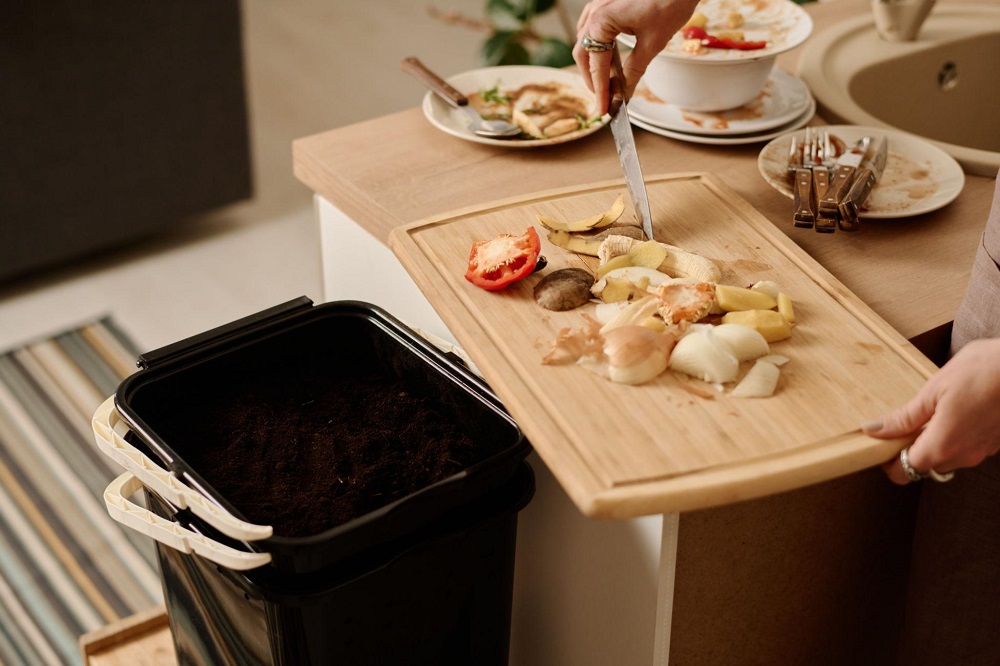
Kitchen waste is one of the simplest and most valuable resources available in every household. Instead of sending vegetable peels, fruit scraps, and leftovers to landfills, they can be converted into nutrient-rich compost that improves soil fertility and supports healthy plant growth. With a few practical methods and consistent habits, anyone can start composting at home without complicated equipment or large outdoor spaces.
This guide explains simple, efficient composting approaches that work well in urban homes, apartments, and small terraces.
Why Composting Kitchen Waste Matters
Daily kitchen waste contains organic nutrients that plants need. When discarded improperly, this waste contributes to landfill overflow and releases harmful gases. Composting transforms waste into a natural fertilizer while reducing environmental impact.
Key benefits include:
- Reduces household garbage volume
- Improves soil structure and fertility
- Supports healthier plants without chemicals
- Saves money on fertilizers
- Encourages sustainable living habits
Even a small composting setup can produce noticeable results within weeks.
Types of Kitchen Waste Suitable for Composting
Not all kitchen scraps should go into compost. Choosing the right materials ensures faster decomposition and prevents odor problems.
Suitable materials include:
- Vegetable peels
- Fruit scraps
- Tea leaves
- Coffee grounds
- Eggshells
- Leftover cooked rice in small amounts
- Bread pieces in limited quantity
Avoid adding:
- Meat and fish scraps
- Dairy products
- Oily food
- Plastic packaging
- Large citrus quantities
Maintaining the correct balance helps create high-quality compost.
Bucket Composting for Small Homes
Bucket composting is ideal for apartments and households with limited outdoor space.
Steps to follow:
- Select a container with a lid
- Add a base layer of dry leaves or shredded paper
- Add daily kitchen waste in thin layers
- Cover each layer with dry material such as soil, cocopeat, or cardboard pieces
- Mix the contents every two to three days
This layering method prevents odor and speeds up decomposition.
Materials required:
- Plastic or clay bucket
- Dry leaves or paper
- Soil or cocopeat
- Kitchen scraps
Within 30 to 45 days, the material starts turning into compost.
Composting Using Earthen Pots
Earthen pots allow natural airflow, which improves decomposition quality.
Procedure:
- Use two or three stacked clay pots
- Add kitchen waste in the top pot
- Cover each layer with dry leaves or soil
- Rotate pots once one fills up
- Allow the bottom pot to mature into compost
This method works especially well in warm climates and terraces.
Advantages include:
- Natural ventilation
- Faster compost formation
- Minimal odor
- Durable structure
Vermicomposting with Earthworms
Vermicomposting uses earthworms to break down organic waste quickly and efficiently.
Steps involved:
- Prepare a ventilated container
- Add a bedding layer of soil and shredded paper
- Introduce composting earthworms
- Add small portions of kitchen waste regularly
- Maintain moisture without overwatering
Earthworms convert waste into nutrient-rich compost known as vermicast.
Important tips:
- Keep the container away from direct sunlight
- Avoid adding spicy or salty food
- Maintain moderate moisture levels
This method produces compost faster than traditional techniques.
Terrace Composting Using Containers
Terrace composting is ideal for households with outdoor rooftop space.
Simple setup includes:
- Large containers or bins
- Dry leaves or sawdust
- Regular kitchen waste layers
Steps to follow:
- Add alternating layers of wet waste and dry waste
- Mix once every few days
- Keep the container partially covered
- Maintain airflow
Within two months, usable compost is ready for gardening use.
Maintaining the Right Balance for Faster Composting
Efficient composting depends on balancing green waste and brown waste.
Green waste includes:
- Vegetable scraps
- Fruit peels
- Coffee grounds
Brown waste includes:
- Dry leaves
- Paper
- Cardboard
- Sawdust
A proper ratio helps prevent odor and speeds decomposition.
Additional maintenance practices:
- Turn compost regularly
- Maintain moderate moisture
- Avoid overfilling containers
- Chop waste into smaller pieces
These steps ensure smoother compost formation.
Signs That Compost Is Ready to Use
Recognizing finished compost helps ensure plants receive maximum benefit.
Mature compost typically has:
- Dark brown color
- Soil-like texture
- Earthy smell
- No visible food particles
Once these signs appear, the compost can be mixed into garden soil or used in pots.
Common Mistakes to Avoid While Composting
Beginners often face issues that slow down composting progress.
Avoid these mistakes:
- Adding too much wet waste
- Ignoring dry material layering
- Sealing containers without airflow
- Adding oily food leftovers
- Overwatering the compost pile
Correcting these habits improves compost quality significantly.
Using Compost Effectively in Home Gardening
Proper use of compost enhances plant health and soil fertility.
Recommended applications include:
- Mixing with potting soil
- Adding around plant roots
- Using as a top dressing layer
- Preparing vegetable garden beds
Regular use strengthens plant growth naturally without synthetic fertilizers.
FAQ Section
Can composting be done without outdoor space
Yes. Bucket composting and vermicomposting work efficiently indoors or on balconies with proper ventilation.
How long does kitchen waste composting usually take
Most home composting methods produce usable compost within 30 to 60 days depending on moisture, temperature, and mixing frequency.
Is it necessary to add soil while composting
Soil helps introduce beneficial microbes but alternatives like cocopeat or dry leaves can also support decomposition.
Can cooked food leftovers be composted safely
Small quantities of plain cooked food like rice can be composted, but oily or spicy leftovers should be avoided.
What should be done if compost smells unpleasant
Add dry leaves or shredded paper and mix the compost to improve airflow and restore balance.
Can compost attract insects at home
Proper layering with dry material and keeping containers covered reduces the chance of insect attraction.
How often should compost be mixed
Mixing every two to three days helps maintain airflow and speeds up decomposition.


