Gardening has always been a timeless pastime, offering a sanctuary for peace, creativity, and connection to nature. But as the world evolves, so too does the way we approach our outdoor spaces. Gardening trends are no longer limited to traditional rose bushes and neatly manicured lawns. In recent years, a new wave of innovation has begun to shape the way we design, cultivate, and interact with our gardens. These emerging trends not only reflect a shift in aesthetics but also respond to larger societal and environmental changes. From sustainability to technology-driven tools, today’s garden trends are transforming outdoor spaces in exciting and dynamic ways. In this article, we explore the cutting-edge trends in gardening that are making a significant impact on the way we approach our outdoor environments.
1. Sustainable and Eco-Friendly Gardening
Sustainability has become one of the central pillars of modern gardening, driven by an increasing awareness of the environmental impact of traditional gardening practices. With climate change and environmental degradation at the forefront of global discussions, more gardeners are focusing on eco-friendly practices that minimize their carbon footprints and promote ecological health.
One of the most significant movements is the growing adoption of native plants. Native plants are well-suited to local climates, require fewer resources like water and fertilizers, and support local wildlife, such as pollinators and birds. By incorporating native plants into gardens, gardeners are helping restore local ecosystems while reducing the need for chemical inputs.
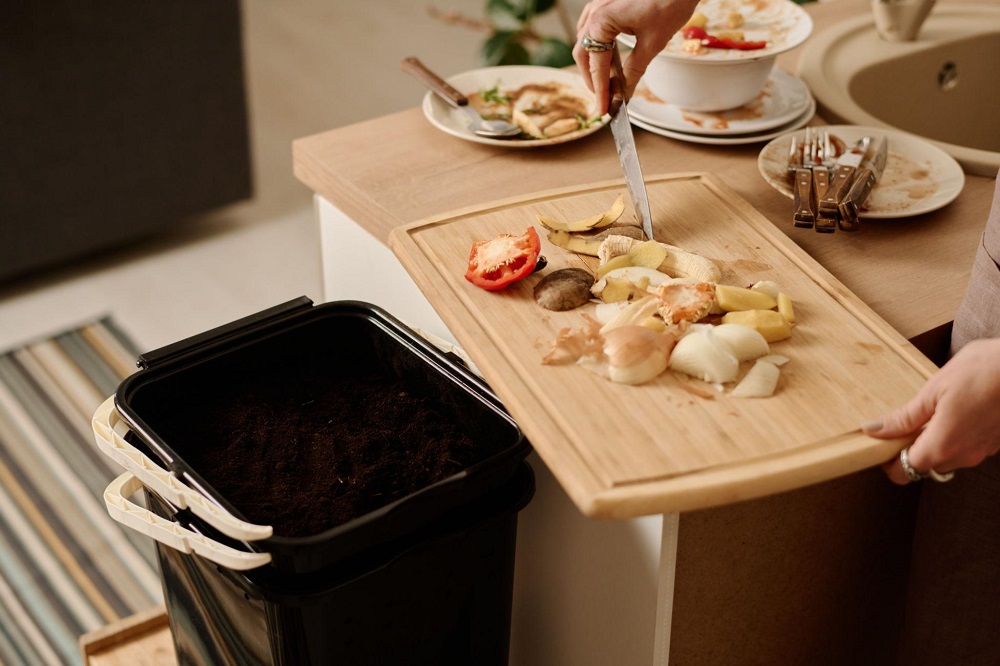
In addition to plant selection, gardeners are increasingly turning to composting and organic fertilizers as alternatives to chemical pesticides and synthetic fertilizers. Composting not only helps reduce waste but also enriches the soil, improves its structure, and supports healthy plant growth. Organic fertilizers, made from natural materials, are gentle on the environment and provide essential nutrients without harming beneficial soil organisms.
Another significant trend in sustainability is the rise of rainwater harvesting systems. Collecting rainwater in barrels or specialized systems allows gardeners to irrigate their plants using free, natural water, thereby conserving potable water and reducing utility bills. Rain gardens, which are designed to capture and absorb rainwater runoff, are also gaining popularity as a method of controlling stormwater while enhancing the beauty of outdoor spaces.
2. Edible Gardens and Urban Farming
As urbanization continues to spread, many people are turning to edible gardens to take control of their food sources, reduce their reliance on store-bought goods, and embrace healthier lifestyles. The concept of urban farming is gaining momentum, with individuals and communities utilizing small outdoor spaces like balconies, rooftops, and even windowsills to grow fruits, vegetables, and herbs.
The idea of growing your own food is not only about self-sufficiency but also about connecting with the food system in a more meaningful way. Urban gardening is increasingly focusing on vertical gardens, container gardening, and hydroponics, which allow for efficient use of space. These methods are perfect for urban dwellers who may not have access to traditional backyard gardens. Vertical farming, in particular, allows plants to be grown upward rather than outward, maximizing limited space while creating visually striking gardens.
In addition to the benefits of growing fresh, organic produce, urban farming also helps reduce the carbon footprint associated with food transportation. Home-grown produce reduces the need for packaging, long-distance travel, and refrigeration, all of which contribute to greenhouse gas emissions.
3. Smart Gardening and Technology Integration
With technology rapidly advancing, gardening is becoming increasingly high-tech. The integration of smart gardening tools is transforming the way we manage our outdoor spaces. From automated irrigation systems to plant care apps, technology is enabling gardeners to create more efficient, sustainable, and productive gardens.
Smart irrigation systems are one of the most popular innovations in this category. These systems use sensors to monitor soil moisture levels and adjust watering schedules accordingly, ensuring plants receive the right amount of water without wastage. Some systems can even be controlled remotely through smartphones, offering gardeners the convenience of managing their irrigation system from anywhere.
Another game-changing technology is plant monitoring devices that track the health of plants. These devices can measure various factors such as soil moisture, light exposure, and temperature. Using this data, gardeners can optimize growing conditions, prevent overwatering, and ensure their plants thrive.
Additionally, garden design apps have made it easier for gardeners to plan and visualize their outdoor spaces. These apps allow users to experiment with different plant combinations, hardscaping elements, and layout options, helping them make informed decisions before planting. Some apps even offer plant identification features, allowing gardeners to learn about the plants they encounter while out in nature.
4. Outdoor Living Spaces and Garden Retreats
The trend of creating outdoor living spaces continues to grow, with many homeowners now treating their gardens as extensions of their indoor living areas. Outdoor spaces are becoming multifunctional, serving as areas for relaxation, dining, entertaining, and even working from home.
Outdoor kitchens, complete with grills, sinks, and refrigerators, have become a popular feature in many gardens. These fully-equipped spaces allow people to cook, dine, and socialize outside, making the most of their garden during warmer months. Pergolas, gazebos, and outdoor lounges are also being incorporated into garden designs, providing shaded retreats for relaxation and entertaining.
Another notable trend is the rise of outdoor offices and garden studios. With remote work becoming more common, many people are transforming their gardens into peaceful, private spaces where they can work away from the distractions of the home. These garden offices are often designed with natural materials, plenty of light, and a connection to the surrounding landscape, creating a serene environment for productivity and creativity.
5. Minimalism and Low-Maintenance Gardens
As the fast pace of modern life leaves less time for yard work, many people are embracing minimalist garden designs that require less maintenance and offer clean, simple aesthetics. Low-maintenance gardens focus on plants that are hardy, drought-tolerant, and pest-resistant, reducing the need for regular pruning, watering, and fertilizing.
Xeriscaping, which involves designing gardens with drought-tolerant plants that require minimal water, has become a go-to approach for those looking to create beautiful yet sustainable gardens. These gardens often feature succulents, native grasses, and other plants that thrive in arid conditions.
Another popular trend is the use of hardscaping elements—such as stone paths, gravel, and decking—to create structure and define different areas within the garden. Hardscaping reduces the amount of lawn area, which in turn reduces the need for mowing and upkeep.
6. Wildlife-Friendly Gardens
With increasing concerns over the decline of biodiversity and the loss of natural habitats, more gardeners are focusing on creating wildlife-friendly gardens. These gardens are designed to attract and support a variety of wildlife, including birds, butterflies, bees, and other pollinators.
Planting a diverse range of native flowers, shrubs, and trees provides food, shelter, and nesting sites for wildlife. Gardeners are also incorporating features like bird baths, wildflower meadows, and insect hotels to attract beneficial creatures. By cultivating a garden that supports local wildlife, gardeners contribute to the health and diversity of ecosystems, even in urban environments.
Conclusion
Gardening is undergoing a profound transformation, with new trends that reflect a deeper connection to the environment, a greater reliance on technology, and a shift towards more sustainable practices. From the rise of edible gardens and wildlife-friendly spaces to the integration of smart technology and minimalist designs, today’s gardeners are embracing a more holistic and innovative approach to outdoor living. These trends not only make gardening more accessible and efficient but also help create outdoor spaces that are in harmony with nature and beneficial to the planet. Whether you’re a seasoned gardener or just starting out, embracing these new trends will undoubtedly enhance your outdoor experience, making your garden a place of beauty, productivity, and sustainability.