In the fast-paced world of urban living, finding space to grow plants and create a tranquil outdoor sanctuary can be a challenge. However, the growing trend of urban gardening is proving that with a little creativity, even the most compact spaces can be transformed into lush, vibrant green zones. Whether you have a small balcony, a rooftop, or a corner of your apartment, urban gardening can bring the joy of nature into your daily life. That said, creating a successful urban garden goes beyond simply adding a few plants to a small space. To truly cultivate a thriving garden, it’s important to understand the key essentials that can make all the difference. In this article, we’ll explore the urban garden essentials you might be missing and how to ensure your outdoor space thrives.
1. Quality Soil: The Foundation of a Thriving Garden
The importance of good soil cannot be overstated. Many urban gardens, especially those in containers or raised beds, start with subpar soil. The dense, compacted nature of city soil often leads to poor drainage and nutrient deficiencies. To remedy this, opt for high-quality potting soil or soil amendments tailored to your garden’s specific needs. If you’re growing in containers, use a mix that drains well yet retains moisture. For raised beds, choose a blend that includes organic compost, which enriches the soil and improves its structure. Consider adding organic matter such as worm castings or compost, which help to increase nutrient availability and boost plant health.
In an urban garden, soil often needs to be replenished more frequently than in traditional gardens due to the limited space and potential for nutrient depletion. Using quality soil and regularly amending it will ensure that your plants have the best possible growing conditions.
2. Effective Irrigation: Efficient Watering Systems
Watering can be one of the trickiest aspects of urban gardening. Many urban spaces, especially rooftops or balconies, may lack access to a nearby water source, making manual watering a hassle. Additionally, over-watering or under-watering can be a common pitfall. To mitigate this, consider installing a drip irrigation system. This system delivers water directly to the roots of your plants, reducing water waste and ensuring that each plant gets the right amount of moisture.
For smaller spaces, self-watering containers are an excellent option. These pots have built-in reservoirs that allow plants to absorb water as needed, preventing overwatering and promoting healthy root growth. You can also add a soaker hose to your garden bed or balcony containers for even water distribution without the need for daily manual watering.
A rainwater harvesting system is another smart addition for urban gardens. Collecting rainwater in barrels not only provides a sustainable way to water your plants but also helps reduce your overall water bill. This is an excellent solution for urban gardeners looking to make the most of limited resources while promoting eco-friendly practices.
3. Appropriate Containers and Planters
In urban spaces, most gardens are created using containers. The right containers can make or break your garden’s success. Many novice urban gardeners make the mistake of choosing pots that are too small, too shallow, or without proper drainage, leading to waterlogged roots and unhealthy plants. The size of your container should be appropriate for the type of plant you want to grow. Larger plants like tomatoes or shrubs require deeper pots, while herbs and smaller plants can thrive in more compact containers.
Consider using planters with built-in drainage holes to prevent water from accumulating at the bottom, which can suffocate roots and encourage fungal growth. Self-watering planters are also a wise investment, especially if you’re looking to reduce the amount of time spent maintaining your garden. Furthermore, vertical planters can help you maximize your space by growing plants upward rather than outward, making them ideal for small balconies or city apartments.
4. Vertical Gardening Solutions
Urban gardening often requires a bit of innovation, especially when space is limited. Vertical gardening is an excellent solution to the space constraints of urban environments. By growing plants upward rather than outward, you can make the most of your available space. Consider installing trellises, wall-mounted shelves, or hanging planters to grow climbing plants like cucumbers, tomatoes, or flowers. Green walls (also known as living walls) are another option, where plants are grown vertically against a structure, creating a lush and striking feature.
The beauty of vertical gardening is that it not only saves space but can also add visual interest and beauty to your outdoor space. It’s a great way to grow a variety of plants, from decorative vines to edible vegetables, all while keeping your garden neat and organized.
5. Proper Lighting: Maximizing Sunlight
Urban areas often present challenges when it comes to sunlight. Tall buildings, narrow streets, and crowded balconies can block sunlight, leaving plants in shadowed areas that struggle to thrive. To overcome this, it’s essential to understand how much sunlight your garden receives and plan accordingly.
Full-sun plants, such as tomatoes, peppers, and many flowers, need at least six hours of sunlight a day. Partial-sun plants, like lettuce, spinach, and herbs, can tolerate a few hours of direct sunlight. Shade-loving plants, including ferns and certain types of hostas, will do well in more shaded areas.
If natural light is limited, consider adding grow lights to your space. These artificial lights mimic sunlight and can support plant growth in low-light conditions. Placing a grow light near your indoor plants or on a balcony can extend your growing season and help your plants flourish even in an urban environment with limited sun exposure.
6. Smart Plant Selection: Choosing the Right Plants
In the world of urban gardening, plant selection is key. The limited space, fluctuating temperatures, and potential for air pollution require plants that are adaptable and resilient. When starting your urban garden, consider choosing native plants that are well-suited to your climate and environment. Native plants are typically easier to care for, requiring less water and fertilizer than non-native species. They also tend to attract beneficial insects, such as pollinators, which is essential for a healthy garden ecosystem.
For those looking to grow edibles, urban spaces can be surprisingly accommodating. Many fruits, vegetables, and herbs thrive in container gardens, as long as they receive adequate sunlight and water. Herbs, such as basil, thyme, and mint, are perfect for small spaces. Compact vegetable varieties, like dwarf tomatoes, salad greens, and peppers, are ideal for urban gardeners with limited space.
Additionally, succulents and hardy plants such as lavender, rosemary, and certain types of grasses are great options for urban gardens. They are low-maintenance, drought-tolerant, and can add both texture and fragrance to your outdoor space.
7. Sustainable Practices: Composting and Waste Reduction
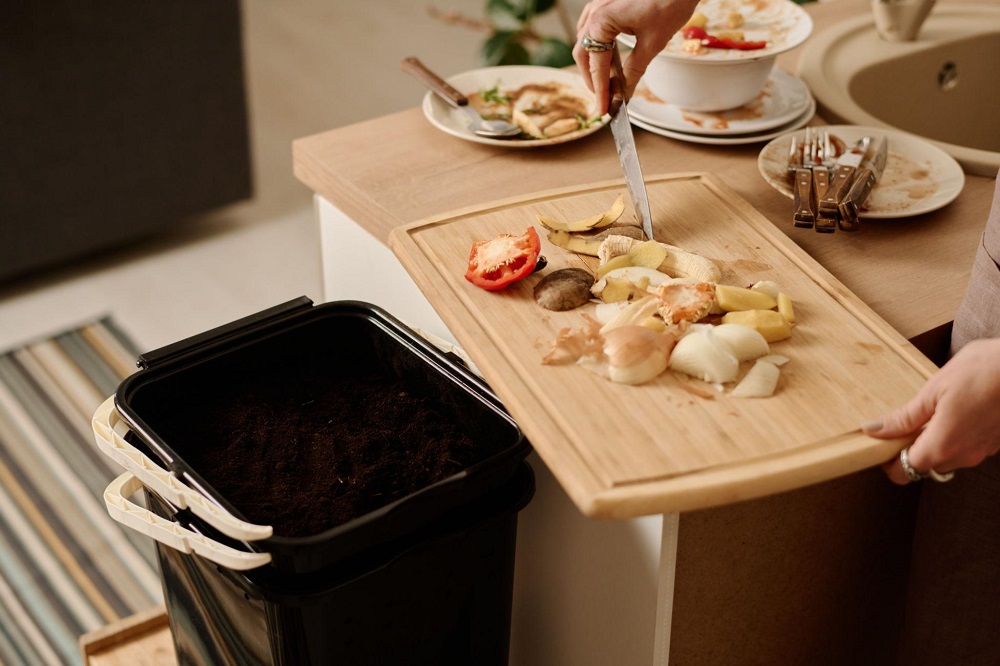
A truly successful urban garden goes beyond aesthetics; it’s about creating a sustainable space that benefits the environment. Urban gardening allows you to make a positive impact on your surroundings by reducing waste and promoting eco-friendly practices. Composting is an excellent way to recycle organic waste while improving the quality of your soil. Composting kitchen scraps, leaves, and garden clippings can create rich, nutritious soil that enhances plant growth.
Many urban gardeners also embrace the use of organic fertilizers, which are less harmful to the environment and better for the health of your plants. Avoid synthetic chemicals that can run off into waterways and pollute the surrounding environment. Instead, opt for natural alternatives like worm castings, fish emulsion, or homemade compost tea to nourish your garden.
Conclusion
Creating a thriving urban garden is an incredibly rewarding endeavor that can bring nature and beauty into your daily life. However, to truly succeed, it’s important to incorporate the essential elements that ensure your garden thrives. From quality soil and efficient irrigation to smart plant selection and sustainable practices, each aspect plays a vital role in cultivating a healthy, vibrant garden. By carefully considering these urban garden essentials, you can create a beautiful outdoor space that not only enhances your surroundings but also promotes sustainability and well-being. So, roll up your sleeves, embrace your creativity, and transform your urban space into a flourishing green oasis.