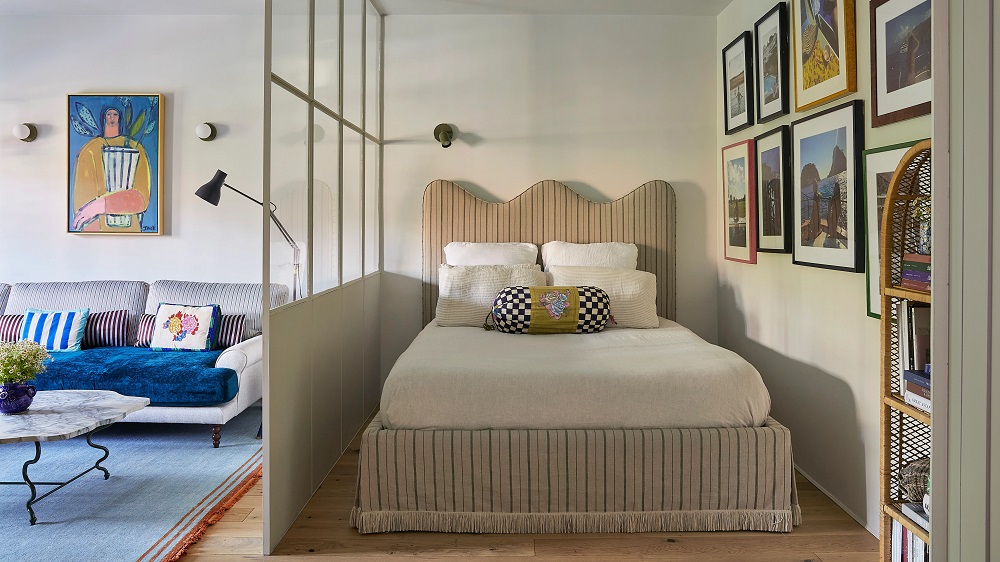
A home is more than just a structure; it’s a sanctuary—a place where comfort meets style, functionality blends with aesthetics, and every corner holds a potential for creativity. Whether you’ve just moved in, are planning to refresh your space, or wish to increase the overall value of your property, remodeling and redesigning can make a profound difference. The right combination of thoughtful design and practical remodeling can elevate your home, making it not only more beautiful but also more suited to your personal needs. From enhancing small spaces to revamping entire rooms, here’s a comprehensive guide on how to improve your home with remodel and design.
1. Start with a Clear Vision: Plan Your Remodel
Before diving into the exciting world of home remodeling and design, the most important step is to have a clear vision of what you want to achieve. Whether you’re looking to increase functionality, create a more inviting atmosphere, or make your space more modern, identifying your goals is key to a successful remodel.
Start by analyzing your current space. What works well, and what doesn’t? Are there areas that feel cramped or disorganized? Or perhaps you’ve grown tired of outdated fixtures and materials? It’s crucial to make a list of the changes you wish to see and prioritize them based on your budget and time constraints.
You should also consider the flow of your space. How do the rooms interact with one another? Are there unnecessary walls or hallways that could be opened up to create a more open concept? It’s essential to think about how the design will impact your daily life. A home should not only look good but also feel functional and comfortable.
Tip: Utilize mood boards, online design platforms, or Pinterest to gather ideas and inspirations. This can help you communicate your ideas effectively to a designer or contractor if needed.
2. Maximize Space with Open Concepts
In modern home design, the open concept has become a favored approach. If your home feels crowded or segmented, removing unnecessary walls or barriers can create a spacious, airy feel. Open floor plans have a way of connecting spaces, making small homes feel larger and promoting a better flow of light and air.
In the living area, an open kitchen-dining-living combination is ideal for both family life and entertaining. This design approach allows for easy movement and interaction between spaces, ensuring that no one feels isolated in the kitchen, for instance, while the rest of the family is in the living room.
When opening up spaces, consider your home’s structural limitations. Consult with a professional to determine if load-bearing walls need to be replaced with beams or columns to maintain the integrity of the structure. Also, ensure that you maintain clear sightlines and well-thought-out design details that tie the spaces together seamlessly.
3. Upgrade Kitchens and Bathrooms: The Heart of the Home
Kitchens and bathrooms are arguably the most important areas to remodel in a home. Not only do these spaces significantly impact the overall aesthetic, but they also offer the highest return on investment when remodeled correctly.
Kitchens: The kitchen is often referred to as the heart of the home. It’s where families gather, meals are shared, and memories are made. Upgrading your kitchen doesn’t necessarily mean a full-scale renovation. Small changes such as installing new countertops, modernizing cabinetry with fresh paint or new handles, or swapping outdated appliances for energy-efficient models can create a noticeable difference. For a more extensive remodel, consider an island or breakfast bar that provides additional workspace and encourages social interaction.
Incorporating smart technology into your kitchen design is also a growing trend. From touchless faucets to smart refrigerators, appliances that simplify and enhance functionality are not only convenient but can increase your home’s value.
Bathrooms: Bathrooms are also key spaces to remodel. A clean, modern bathroom can provide a sense of luxury and relaxation. Consider replacing outdated fixtures with stylish, contemporary ones—think sleek faucets, frameless glass shower doors, and clean lines in the tiling. Adding a freestanding bathtub can make a bold statement and offer a spa-like experience in your home.
For smaller bathrooms, look for ways to maximize space. Consider floating vanities, which create an illusion of more floor space, or mirrors with built-in lighting to brighten the room. In terms of color, lighter tones such as whites, soft grays, or earth tones can help create a fresh, calm environment.
4. Embrace Natural Light
Natural light is one of the most powerful design elements you can incorporate into your home. It not only makes a space feel more inviting and open but also has psychological benefits—natural light improves mood, boosts productivity, and even enhances sleep quality. When remodeling your home, consider how to bring in more light.
If your space has small or limited windows, adding larger windows or glass doors can significantly impact the amount of light your home receives. Sliding glass doors that lead out to a garden or patio can blur the line between indoor and outdoor living, creating a seamless flow of light and air.
Skylights or light tubes are also excellent options for rooms that don’t have access to exterior walls. For example, a skylight in a hallway or bathroom can make the space feel brighter and more open. Be sure to also incorporate light-reflective surfaces, such as mirrors and glossy finishes, to maximize the effect of natural light.
5. Incorporate Smart Home Features
In today’s digital age, the integration of smart home features into your remodel can elevate the functionality and convenience of your space. From smart thermostats that learn your heating and cooling preferences to automated lighting systems that can be controlled remotely, the possibilities are endless.
For the living room, consider adding built-in surround sound or a projector system for a home theater experience. In the kitchen, smart appliances such as ovens that can be controlled from your phone or refrigerators that track grocery inventory are becoming increasingly popular.
Security is another area where smart technology can make a difference. Modern security systems with cameras, motion sensors, and doorbell cameras can be installed as part of your remodel to keep your home safe while providing convenience. The integration of voice-controlled assistants like Amazon Alexa or Google Assistant can tie all of these devices together, allowing you to control your home with ease.
6. Pay Attention to Flooring: Style Meets Function
Flooring can transform a room, making it more functional and beautiful. Whether you’re updating an old carpet, replacing hardwood, or adding tile, the flooring choices you make will dictate the feel of your home.
Hardwood Flooring: Hardwood floors have long been a favorite for their timeless elegance and durability. Rich tones and finishes can add warmth and luxury to a living room or bedroom. However, hardwood can be costly, so you might consider alternatives like engineered wood or laminate, which offer similar aesthetics at a more affordable price.
Tile and Stone: Tile is perfect for kitchens and bathrooms, offering versatility in both design and function. Porcelain and ceramic tiles are durable and easy to maintain, while natural stone like marble or granite adds a touch of luxury. You can also experiment with mosaic patterns or decorative accents to create a unique, custom look.
For a softer feel, consider high-quality carpets or area rugs to introduce comfort and warmth to living spaces. Additionally, wall-to-wall carpeting can be replaced with area rugs for flexibility and easy updates.
7. Update Paint and Color Schemes
Paint is one of the most affordable ways to refresh a space. A fresh coat of paint can instantly transform a room, making it feel brighter, larger, or cozier depending on the color palette you choose. Light, neutral shades can make small spaces feel open, while deep hues add drama and warmth to larger rooms.
If you’re remodeling, don’t forget about the ceiling. A well-painted ceiling, whether in a bright white or a soft accent color, can enhance the room’s overall aesthetic and make the space feel more polished.
Accent walls are another way to play with color, offering a bold statement without overwhelming the entire room. Whether it’s a deep navy in a living room or a soft blush pink in a bedroom, accent walls can help break up space and create visual interest.
8. Finishing Touches: Furniture and Decor
Finally, the finishing touches—furniture, accessories, and decor—are what truly make a house feel like a home. Carefully selected furniture pieces should complement the newly remodeled space. Whether you’re going for minimalist Scandinavian, mid-century modern, or rustic farmhouse style, your furniture should align with the overall theme of the room.
Add layers with soft furnishings like throw pillows, blankets, and rugs that bring texture and color into the space. Statement pieces like artwork, sculptures, or unique lighting fixtures can also be incorporated to add personality and flair.
Conclusion: A Seamless Remodel and Design Process
Improving your home through remodeling and design is a transformative experience that enhances both the function and aesthetics of your living space. Whether you choose to update your kitchen, create a more open floor plan, or embrace smart technology, each choice will contribute to making your home more tailored to your needs and lifestyle. With careful planning, attention to detail, and a commitment to design, your home can evolve into a space that’s not only beautiful but also a true reflection of who you are.