When it comes to home improvement, many people immediately think of aesthetic upgrades like new flooring, fresh paint, or modern appliances. However, the structural integrity and functionality of a home are just as crucial to its overall comfort and value. One of the most essential yet often overlooked aspects of home improvement is the state of your plumbing system—particularly the pipes. Plumbing issues, if not addressed properly, can not only lead to costly repairs but also affect your home’s comfort, water usage, and even its resale value. Fortunately, with a little knowledge, effort, and timely repairs, you can significantly enhance your home by addressing its pipes and plumbing system.
In this article, we will explore the many ways in which you can improve your home with pipe repairs and maintenance, ensuring that your plumbing system runs efficiently while preventing issues that can escalate into expensive problems. From identifying common pipe issues to understanding when to repair or replace pipes, these insights will help you make informed decisions that ultimately enhance your home’s performance and longevity.
1. Understanding the Importance of Pipe Maintenance
Pipes are the arteries of your home’s plumbing system, carrying water in and out, ensuring that everything functions smoothly. Whether it’s delivering clean water to your taps, washing machines, and dishwashers, or removing wastewater, pipes play a crucial role in your daily life. However, over time, pipes can wear out due to age, corrosion, or the effects of environmental conditions. This can lead to leaks, reduced water pressure, or even burst pipes in severe cases.
Regular pipe maintenance is vital to avoid such problems. By addressing minor issues before they escalate, you can avoid the headaches of expensive repairs or even water damage, which can be financially and emotionally draining. A well-maintained plumbing system also ensures efficient water flow, which reduces the likelihood of wasted water and utility bills.
2. Identifying Common Pipe Issues in Your Home
The first step in improving your home’s plumbing system is to become familiar with common pipe issues. Understanding these problems will allow you to address them promptly and prevent larger issues down the road.
-
Leaking Pipes: One of the most common pipe issues is leaks, which can occur due to rust, joint failures, or excessive pressure. Leaking pipes may not always be immediately visible, as they often occur inside walls or under floors, but they can cause considerable water damage over time. If you notice dampness on walls or ceilings or hear the sound of running water when no taps are in use, it may be time to inspect your pipes for leaks.
-
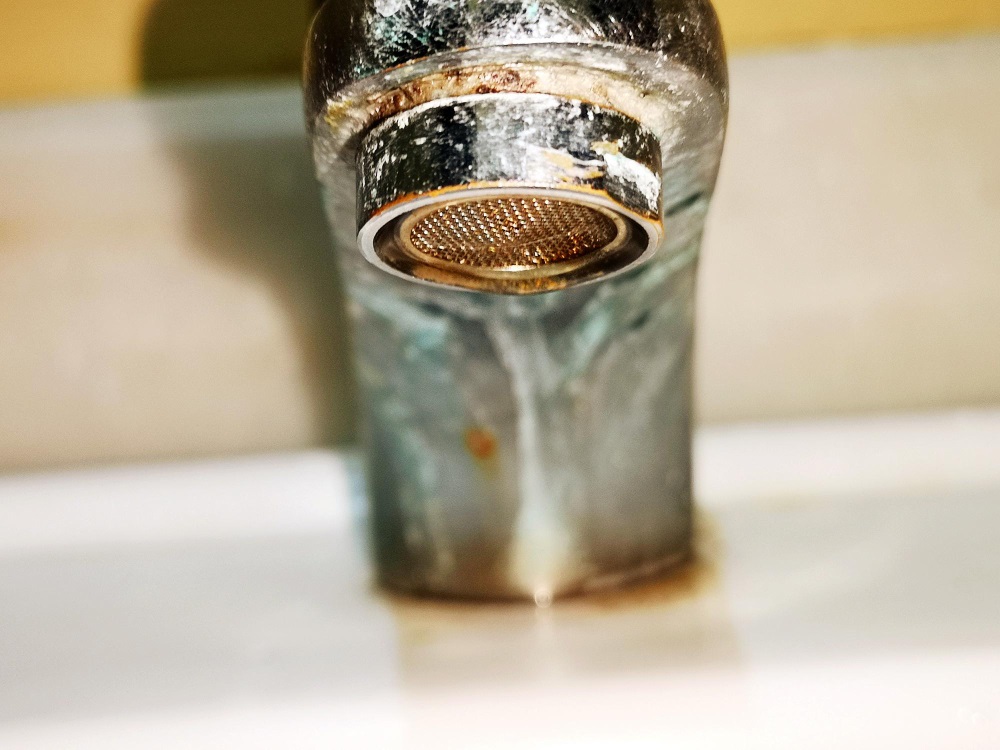
Corrosion and Mineral Build-Up: Over time, pipes, especially older ones made of materials like galvanized steel, can corrode or accumulate mineral deposits from hard water. This can reduce water pressure and lead to clogs or even pipe bursts. Regular inspection for rust, discoloration, or weak water pressure can help spot this issue early.
-
Clogs and Blockages: Pipes can easily become clogged with grease, hair, soap scum, or food particles, especially in kitchen and bathroom drains. These blockages may cause slow drainage, foul smells, or even a complete obstruction of the flow of water. In severe cases, the pipes may become so blocked that they need to be replaced entirely.
-
Frozen Pipes: During the colder months, pipes located in uninsulated areas of your home—such as basements or attics—are at risk of freezing. When water freezes inside the pipes, it expands, causing the pipes to burst and create serious water damage.
3. Pipe Repair and Replacement Options
Once you have identified any plumbing issues, the next step is deciding whether repair or replacement is necessary. Here are a few options to consider:
-
Pipe Repair: Minor leaks or cracks in pipes can often be repaired without the need for a full replacement. Pipe repair kits are available for DIY fixes, but it’s always best to call a professional plumber for anything that requires advanced knowledge of plumbing systems. A skilled plumber can locate the issue, isolate the affected pipe, and perform targeted repairs without causing unnecessary damage to the rest of the system.
-
Pipe Replacement: If you have older pipes, particularly those made of materials like galvanized steel, it might be more cost-effective to replace them entirely. Older pipes are more prone to rust and leaks, and replacing them with newer materials like PVC or copper can prevent future issues. While pipe replacement is a larger upfront investment, it can improve water quality, water pressure, and the overall lifespan of your plumbing system.
-
Re-Piping: If your entire plumbing system is showing signs of wear and tear, re-piping might be necessary. This involves replacing all or most of the pipes in your home to improve water flow, reduce leaks, and eliminate corrosion. Re-piping is often considered a major home improvement project, but it can drastically improve the efficiency and safety of your home’s plumbing system.
4. Choosing the Right Materials for Pipe Upgrades
One of the best ways to improve your home’s plumbing system is to upgrade your pipes to modern, durable materials. Today’s plumbing pipes are made from a variety of materials, each offering different advantages. Here are some of the most popular options:
-
Copper Pipes: Copper has been a go-to material for plumbing for many years. It is durable, resistant to corrosion, and has natural anti-bacterial properties. Copper pipes are ideal for cold and hot water lines and can last up to 50 years or more when maintained properly. However, they can be expensive and may require professional installation.
-
PVC Pipes: Polyvinyl chloride (PVC) is one of the most commonly used materials for modern plumbing systems. It is lightweight, affordable, and easy to install. PVC is ideal for drainage and waste lines but is not suitable for hot water pipes, as it can warp under high temperatures.
-
PEX Pipes: Cross-linked polyethylene (PEX) is a flexible, durable material that’s quickly gaining popularity in plumbing systems. PEX is resistant to freezing, easy to install, and can be used for both hot and cold water lines. It’s also more affordable than copper and is an excellent option for DIY enthusiasts.
-
Galvanized Steel Pipes: While once widely used, galvanized steel pipes are now considered outdated and prone to corrosion over time. If you have galvanized steel pipes in your home, it’s a good idea to replace them with more modern materials to avoid potential issues like rust and leaks.
5. Preventive Maintenance for Pipes
To ensure your pipes continue to perform well and avoid major issues, regular maintenance is essential. Here are some preventive measures you can take:
-
Insulate Pipes: Especially in areas with freezing temperatures, insulate your pipes to prevent them from freezing during the winter months. Pipe insulation helps maintain water flow and prevents the costly damage that can result from frozen pipes bursting.
-
Regular Inspections: It’s wise to have your pipes inspected periodically by a professional plumber. They can identify early signs of wear and tear, corrosion, or leaks, allowing for preventative repairs before a serious issue arises.
-
Avoid Harsh Chemicals: Avoid using harsh chemical drain cleaners that can corrode pipes over time. Instead, opt for natural cleaning methods, like baking soda and vinegar, to clear minor clogs. Regularly flush drains with hot water to remove build-up and prevent blockages.
6. The Financial and Aesthetic Benefits of Pipe Repair
Addressing pipe issues can have significant financial benefits in the long run. Not only will timely repairs prevent costly water damage and expensive future repairs, but they can also help you conserve water. Leaking pipes can waste hundreds of gallons of water a year, leading to higher water bills. By ensuring your plumbing system is working efficiently, you can lower your utility costs and make your home more environmentally friendly.
In addition to the financial advantages, addressing pipe issues can improve the overall aesthetics of your home. Leaks, clogs, or damaged pipes can lead to unsightly stains, water damage to walls and ceilings, and even foul odors. By repairing and replacing pipes as needed, you can avoid these unsightly and unpleasant issues and create a cleaner, more comfortable living environment.
Conclusion
Improving your home with pipe and repair solutions not only enhances the functionality of your plumbing system but also adds value to your property and improves its overall comfort. Whether you’re dealing with minor leaks, considering a full pipe replacement, or taking preventive measures to avoid future issues, investing in the upkeep of your plumbing system is a smart choice. By staying on top of pipe repairs and upgrades, you’ll ensure that your home runs efficiently, saving you money and preventing inconvenient or costly plumbing problems down the road. With the right knowledge, materials, and professional help, you can enhance your home and enjoy the peace of mind that comes with a well-maintained plumbing system.