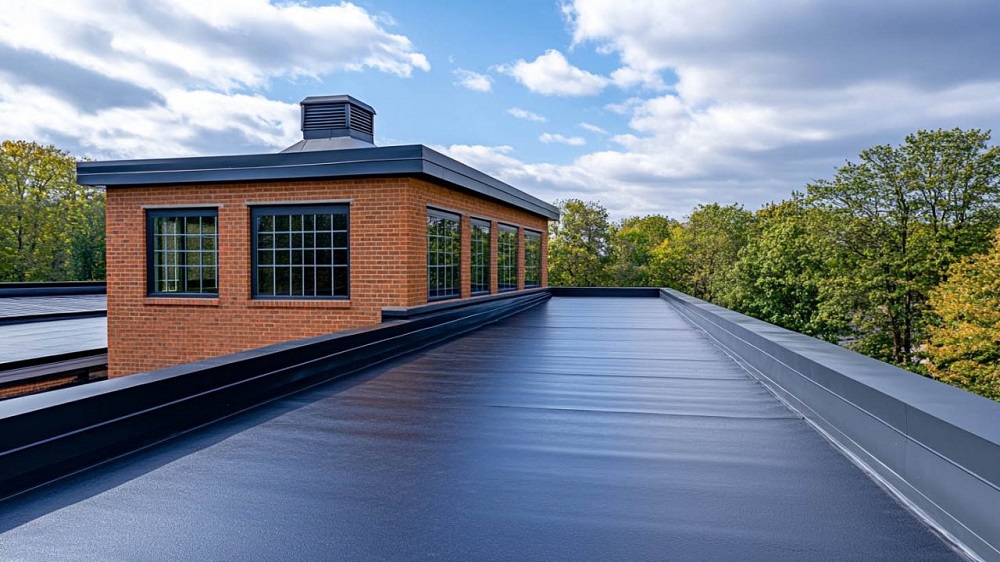
A home is more than just a place to live; it is an investment, a sanctuary, and often, a reflection of who we are. Maintaining and improving your home not only enhances its value but also elevates your comfort and safety. Home repair and inspection play a crucial role in this ongoing process, ensuring that your house remains in good condition, both functionally and aesthetically. In this article, we’ll explore how regular repairs and thorough inspections can improve your home, extend its lifespan, and prevent costly issues down the road.
Hiring reliable home inspectors phoenix is essential for uncovering potential issues before purchasing a property. From plumbing to roof inspections, these professionals provide detailed reports that help you make informed decisions. Protect your investment with comprehensive assessments from Phoenix’s trusted home inspection experts.
The Importance of Regular Home Inspections
Home inspections are typically associated with buying or selling a property. However, their value extends far beyond the transaction process. Regular inspections help you catch problems early before they escalate into significant, expensive repairs. Inspecting your home annually— or more frequently for certain systems— allows you to address small issues before they grow into major concerns.
When you conduct a home inspection, it’s not just about identifying what’s broken. It’s about understanding how various elements of your home work together. For example, an inspection of your roof could reveal minor cracks or leaks that, if left unaddressed, could lead to water damage and rot. A plumbing inspection could reveal hidden leaks that, over time, might lead to mold growth or water damage that compromises the structural integrity of your home.
Key Areas for Regular Home Inspections
While the scope of a home inspection can be broad, certain areas warrant particular attention. These systems are integral to your home’s comfort, safety, and longevity.
-
Roofing and Gutters: The roof is your home’s first line of defense against the elements. Over time, shingles wear down, gutters become clogged, and leaks develop. A roof inspection ensures that these issues are identified early, preventing costly water damage.
-
Foundation and Structure: Cracks in the foundation, uneven flooring, or misaligned windows can be signs of structural issues. A professional foundation inspection will help you catch problems early and protect the integrity of your home.
-
Plumbing System: Plumbing issues, such as leaks, pipe corrosion, and water pressure inconsistencies, can be difficult to spot without an expert. Regular inspections can prevent serious issues, including mold growth or water damage in hidden areas.
-
Electrical System: Faulty wiring, outdated circuit breakers, or improperly installed outlets can pose significant risks, including electrical fires. A licensed electrician should periodically inspect the electrical system to ensure your home is safe and up to code.
-
HVAC System: Heating, ventilation, and air conditioning (HVAC) systems are central to your home’s comfort. A malfunctioning HVAC unit can lead to inefficiencies, higher energy bills, and an uncomfortable living environment. Routine inspections ensure that the system runs smoothly and can help extend its lifespan.
Repairing Common Home Issues
While inspections help you identify potential problems, repairing these issues is where the real work begins. Some repairs are straightforward and can be completed by homeowners themselves, while others may require the expertise of a professional.
1. Roof Repairs
Roofing issues are among the most common and costly problems homeowners face. Small issues, like missing shingles or minor leaks, can often be addressed with a simple repair. If your roof is older, however, you may need a more extensive renovation or even a full replacement. It’s advisable to hire a professional roofer, as they can spot hidden problems, such as rotting wood or structural damage, that may not be immediately visible.
2. Plumbing Fixes
Minor plumbing repairs, such as fixing a leaky faucet or replacing a worn-out toilet seal, can often be done by homeowners with basic plumbing knowledge. However, more complicated issues, such as pipe replacements, leaks in the walls, or problems with the water heater, require the expertise of a professional plumber. Timely plumbing repairs are crucial because water damage, mold growth, or a burst pipe can lead to significant structural issues.
3. Electrical Repairs
Electrical problems are not something to be taken lightly, as they can pose serious safety risks. If you experience issues such as tripped circuit breakers, dimming lights, or outlets that don’t work, it’s best to call a licensed electrician. Electrical repairs should only be handled by trained professionals to ensure that all repairs meet safety standards and local regulations.
4. Wall and Ceiling Repair
Over time, walls and ceilings can develop cracks, holes, or stains. Small holes can be patched up with a little spackle and paint, but larger cracks or water stains may require professional intervention to determine the root cause of the problem. If the cracks are due to structural issues or water damage, repairs must be carried out to prevent further damage to your home’s interior.
Preventative Maintenance for Long-Term Home Improvement
While inspections and repairs are vital in keeping your home in top shape, preventative maintenance is essential to extend the life of your home and reduce the frequency of repairs. Simple tasks, when performed regularly, can save you both time and money.
-
Seal Gaps and Cracks: Gaps around windows and doors can lead to drafts, reducing the energy efficiency of your home. Sealing these gaps with weatherstripping or caulk can help maintain your home’s temperature control and reduce heating and cooling costs.
-
Maintain Your Lawn and Landscaping: Overgrown trees and shrubs can damage your home’s foundation, roof, or exterior. Keep trees trimmed and remove any branches that are in close proximity to the house. Additionally, ensure that water flows away from the foundation by maintaining proper drainage.
-
Change Air Filters: Regularly changing the air filters in your HVAC system ensures that it operates efficiently. Dirty filters can clog the system, reduce airflow, and strain the unit, leading to higher energy costs and a shorter lifespan for the system.
-
Clean Gutters: Clogged gutters can lead to water damage on the roof and foundation. Clean your gutters regularly, especially after storms or in the fall when leaves accumulate. This simple task can prevent long-term damage and ensure proper water flow.
-
Check for Mold: Mold can grow in damp areas of your home, especially in basements, attics, or bathrooms. Regularly check for signs of mold and address any water issues that may contribute to its growth.
Conclusion
Improving your home is a multifaceted process that requires diligence and attention to detail. Regular inspections, timely repairs, and preventative maintenance not only improve the functionality and safety of your home but also ensure that it retains its value for years to come. Whether you’re tackling small DIY repairs or enlisting the help of professionals for more complex issues, investing in the upkeep of your home is always worthwhile. After all, a well-maintained home is not just a space of comfort but a valuable asset that stands the test of time.