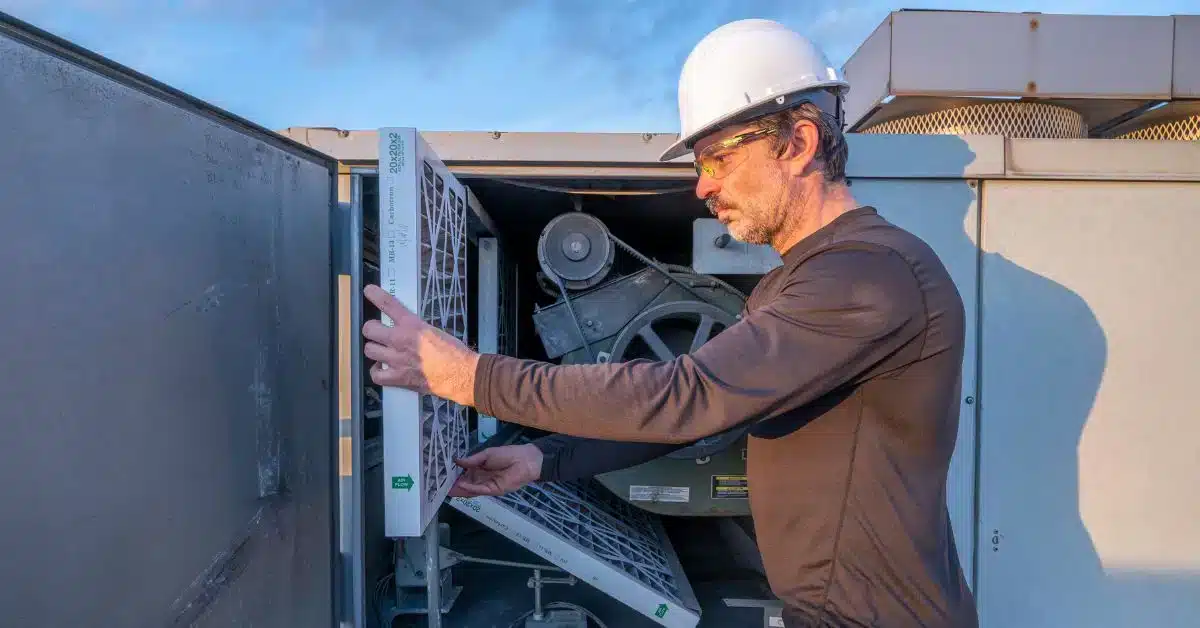
When the chill of winter settles in, the importance of an efficient and reliable heating system becomes undeniable. A well-functioning heating system not only provides comfort but also plays a significant role in maintaining the overall health and energy efficiency of your home. Among the various types of heating systems available, the furnace remains a cornerstone of residential heating, offering durability, efficiency, and versatility. Whether you’re looking to upgrade your current system or considering installing a new furnace, understanding how to improve your home’s heating performance can make all the difference in both comfort and energy savings.
In this article, we’ll explore how you can enhance your home with a focus on heating systems, specifically furnaces. We will delve into the different types of furnaces, the benefits of upgrading, and practical tips on improving your home’s overall heating efficiency.
Understanding Furnaces: The Heart of Home Heating
At the core of most heating systems lies the furnace. A furnace is a mechanical device that uses fuel to generate heat, which is then distributed throughout your home. There are several types of furnaces based on the fuel they use, including gas, electric, oil, and propane furnaces. Each of these systems operates slightly differently, but the principle remains the same: create heat and transfer it into the home efficiently.
Gas furnaces, for instance, are the most commonly used due to their cost-effectiveness and high energy efficiency. These systems utilize natural gas or propane to heat air, which is then circulated through ducts by a blower. Electric furnaces are typically less expensive to install but tend to be more expensive to run over time. Oil furnaces, while not as popular today, remain a good option in areas where natural gas is not readily available.
Why Upgrade Your Furnace?
There are several compelling reasons to consider upgrading your furnace. Over time, older furnaces become less efficient, meaning they require more energy to produce the same amount of heat, driving up your utility bills. If your furnace is more than 15 years old, it may be time to start thinking about a replacement. Here are some benefits of upgrading your heating system:
-
Increased Energy Efficiency
Modern furnaces are far more energy-efficient than their older counterparts. High-efficiency furnaces, for example, boast an Annual Fuel Utilization Efficiency (AFUE) rating of 90% or higher, meaning they convert at least 90% of the fuel they consume into usable heat. In contrast, older furnaces may have an AFUE rating of only 60% to 70%, wasting a significant amount of energy. By upgrading to a newer model, you can reduce your energy consumption and lower your heating bills. -
Improved Air Quality
A new furnace can improve the air quality inside your home. Older systems may have clogged filters or other issues that contribute to poor indoor air quality. Newer furnaces come equipped with advanced filtration systems that help remove dust, allergens, and other particles from the air, creating a healthier environment for you and your family. -
Enhanced Comfort
Newer furnaces are designed to provide more consistent and reliable heating. They offer better temperature control, allowing you to maintain a more comfortable indoor environment. Whether it’s a particularly cold night or a chilly morning, a new furnace can ensure that your home remains warm and inviting. -
Reduced Maintenance Costs
As furnaces age, they require more frequent repairs and maintenance. Upgrading to a newer, more efficient model can reduce the need for costly repairs and maintenance, saving you money in the long run. Many modern furnaces come with longer warranties, offering added peace of mind. -
Environmental Impact
If you’re concerned about your environmental footprint, upgrading your furnace to a high-efficiency model can significantly reduce your carbon footprint. These systems use less fuel to produce the same amount of heat, which translates into fewer emissions and a smaller environmental impact.
Choosing the Right Furnace for Your Home
Selecting the right furnace for your home is critical to ensuring comfort, efficiency, and reliability. There are several factors to consider when making your choice:
-
Fuel Type
As mentioned earlier, furnaces come in different types depending on the fuel they use. Gas furnaces are generally the most cost-effective in terms of operation, especially if you already have access to natural gas. If you live in an area without a natural gas supply, oil or propane furnaces may be your best option. Electric furnaces are often chosen for their lower upfront cost but can be more expensive to operate, especially in colder climates. -
Size and Capacity
It’s crucial to choose a furnace that is the right size for your home. A furnace that is too small will struggle to heat your home efficiently, while an oversized unit can lead to unnecessary energy consumption. An HVAC professional can perform a load calculation to determine the appropriate size based on factors such as your home’s square footage, insulation, and the number of windows and doors. -
Efficiency Rating
The efficiency of a furnace is measured by its AFUE rating. Look for a furnace with a high AFUE rating (at least 90%) to ensure optimal performance and energy savings. Though these models may cost more upfront, the long-term savings on energy bills will offset the initial investment. -
Brand and Warranty
Choose a furnace from a reputable brand known for quality and durability. Many furnace manufacturers offer extended warranties, which can provide added protection and peace of mind. Be sure to review the terms of the warranty before making a purchase to understand what is covered and for how long.
Improving Your Home’s Heating Efficiency
Even with a top-of-the-line furnace, there are several ways to maximize the efficiency of your heating system and ensure that your home stays warm while keeping energy costs down.
-
Insulate Your Home
Proper insulation is key to maintaining a comfortable indoor temperature. Ensure that your attic, walls, and floors are adequately insulated to prevent heat from escaping. This reduces the amount of work your furnace has to do to keep the house warm, ultimately improving efficiency. -
Seal Gaps and Leaks
Check for drafts around windows, doors, and vents. Small gaps or cracks can allow warm air to escape, forcing your furnace to work harder to maintain the desired temperature. Sealing these gaps with weatherstripping or caulk can help prevent energy loss. -
Maintain Your Furnace Regularly
Regular maintenance is essential to keeping your furnace running smoothly. Have your system serviced at least once a year by a professional technician who can clean the system, replace filters, and check for any potential issues. A well-maintained furnace runs more efficiently and lasts longer. -
Upgrade to Programmable Thermostats
A programmable thermostat allows you to set specific temperature schedules for your home, ensuring that your furnace only runs when needed. This can help prevent the system from running unnecessarily and save energy when you’re not at home or while you’re sleeping. -
Consider Zoning Systems
Zoning systems divide your home into different sections, or zones, each with its own thermostat. This allows you to heat specific areas of the home as needed, rather than heating the entire house at once. For example, you can reduce heating in unused rooms or during times when the home is empty, improving overall energy efficiency.
Conclusion
Heating your home efficiently and effectively is essential for maintaining comfort throughout the colder months while also controlling energy costs. By investing in a high-efficiency furnace, you can enjoy improved comfort, reduced maintenance costs, and a more environmentally friendly home. Remember, the key to maximizing the potential of your heating system lies not only in selecting the right furnace but also in ensuring that your home is properly insulated, maintained, and equipped with the right accessories like programmable thermostats and zoning systems. Whether you’re looking to replace an old furnace or optimize your existing system, these steps can help improve the warmth, comfort, and efficiency of your home for years to come.