In the world of interior design, the terms “interior” and “decor” are often used interchangeably, but they represent distinct concepts that play complementary roles in shaping a living space. Understanding the nuances between these two aspects is essential for anyone looking to enhance their home environment. Whether you’re embarking on a major renovation or simply redecorating a room, the distinction between interior design and decor can make all the difference in achieving a harmonious and aesthetically pleasing home.
Defining Interior Design
Interior design refers to the comprehensive process of planning and creating the layout, structure, and overall functionality of a space. It goes beyond mere decoration, involving a deeper consideration of how a room’s layout will impact the way people interact with the space. Interior designers are tasked with optimizing the flow of a room, selecting appropriate materials, and ensuring that the space meets the needs of the inhabitants.
At its core, interior design is about functionality and spatial efficiency. It involves thinking about traffic patterns, lighting, color schemes, and how the various elements in a room will work together to serve the purpose of the space. For example, in a living room, an interior designer might strategically position seating to encourage conversation, while also considering factors like natural light, acoustics, and storage solutions.
Beyond the practicalities, interior design also considers the architectural elements of a space, such as the arrangement of windows and doors, ceiling heights, and how the structure of a building influences the design choices. Materials like flooring, wall finishes, and cabinetry are carefully chosen for both their aesthetic qualities and their durability.
In short, interior design is the blueprint for creating a functional and beautiful space that supports the lifestyle of the people living within it. It is a holistic approach that incorporates a wide range of elements, from spatial arrangement to architectural features.
Understanding Home Decor
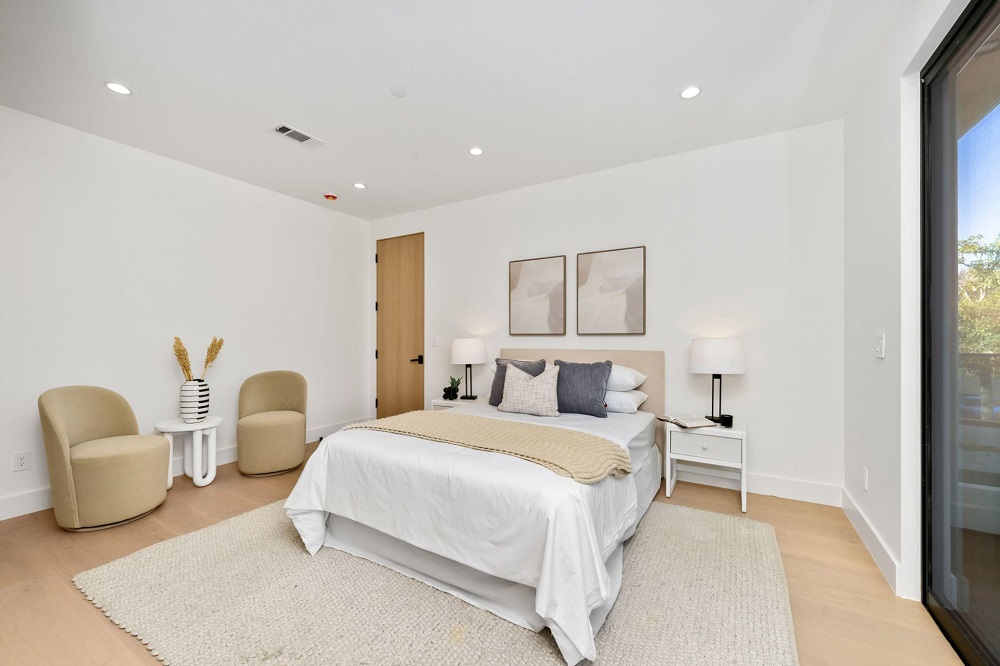
On the other hand, home decor is more about the embellishments and decorative elements that bring a space to life. While interior design focuses on the structural and functional aspects of a room, decor deals with the visual details that make a room feel warm, inviting, and personal. It includes furniture, textiles, artwork, lighting, and accessories such as vases, rugs, throw pillows, and sculptures.
Home decor is where personal style and creativity shine. It allows individuals to express their unique tastes and preferences through the choice of colors, textures, and patterns. A well-decorated room can evoke a certain mood, whether it’s a cozy, serene sanctuary or a vibrant, energetic space for socializing. Decor items are typically selected for their visual appeal rather than their functionality, although in many cases, they can serve both purposes.
One of the defining characteristics of decor is its ability to transform a space without altering its structural elements. Adding a statement piece of art or swapping out throw pillows can instantly refresh a room and give it a new look, all without changing the underlying design. In this way, decor can be seen as the finishing touch, the element that adds personality and character to a thoughtfully designed interior.
How Interior Design and Decor Complement Each Other
While interior design and home decor are distinct, they are inextricably linked and work best when used in tandem. A well-designed interior provides the functional and structural framework that allows decor elements to thrive. Likewise, decor can elevate a room’s design, enhancing the overall aesthetic and atmosphere.
For example, a living room with an open-plan layout and neutral color scheme offers a versatile backdrop for various decor styles. The interior design might include built-in bookshelves, large windows that invite natural light, and a spacious seating area that encourages interaction. Home decor, in this case, could introduce vibrant throw blankets, an eclectic mix of cushions, and carefully curated artwork to create a cozy and personalized environment. Without the foundation of interior design, the decor might feel disconnected or cluttered, but with a solid design plan, the decor can help define the room’s mood and personality.
Furthermore, the choice of materials and finishes in interior design can influence the types of decor that work best in a room. For instance, a room with polished wood floors and exposed brick walls may lend itself well to industrial-style decor, featuring metal accents, vintage furnishings, and minimalist artwork. On the other hand, a space with soft, flowing drapes, plush carpets, and warm wood finishes might be better suited to a more traditional or bohemian decor style. The key is to ensure that both the design elements and decor choices align with each other to create a cohesive and harmonious space.
The Role of Budget in Interior Design vs. Decor
When it comes to budgeting, interior design and decor often require different levels of financial investment. Interior design projects tend to be more costly, especially if they involve significant structural changes or the need for custom-built furniture and fixtures. Hiring a professional interior designer, who may charge by the hour or project, can also add to the cost. However, interior design offers long-term benefits by optimizing the use of space and creating a functional layout that improves the overall quality of life.
In contrast, home decor is generally more budget-friendly and can be updated relatively easily. A few well-chosen decor items, like a new rug or set of lamps, can refresh a space without breaking the bank. Because decor is typically more transient than interior design, it allows for more frequent changes, giving homeowners the flexibility to experiment with new styles or trends without committing to a significant investment.
However, it’s important to note that high-quality decor pieces can still come at a premium, especially when purchasing designer furniture or artwork. Nonetheless, home decor offers a greater level of versatility when it comes to managing a budget, as it is easier to add or change pieces over time.
Conclusion: What Works Best in Home Decor?
In deciding whether interior design or decor works best in your home, it’s essential to recognize that both are vital components of creating a space that is both functional and visually appealing. Interior design provides the structural foundation, ensuring that a space works well for its intended purpose, while decor infuses the room with character, warmth, and individuality.
The best approach is not to choose one over the other but to understand how they complement and enhance one another. Start with a well-thought-out interior design plan that considers the functional aspects of your space, then layer it with decor that reflects your personality and style. This balanced approach ensures that your home is not only practical and comfortable but also a true reflection of who you are. Ultimately, the magic of home decor lies in its ability to take a thoughtfully designed interior and transform it into a space that feels uniquely yours.