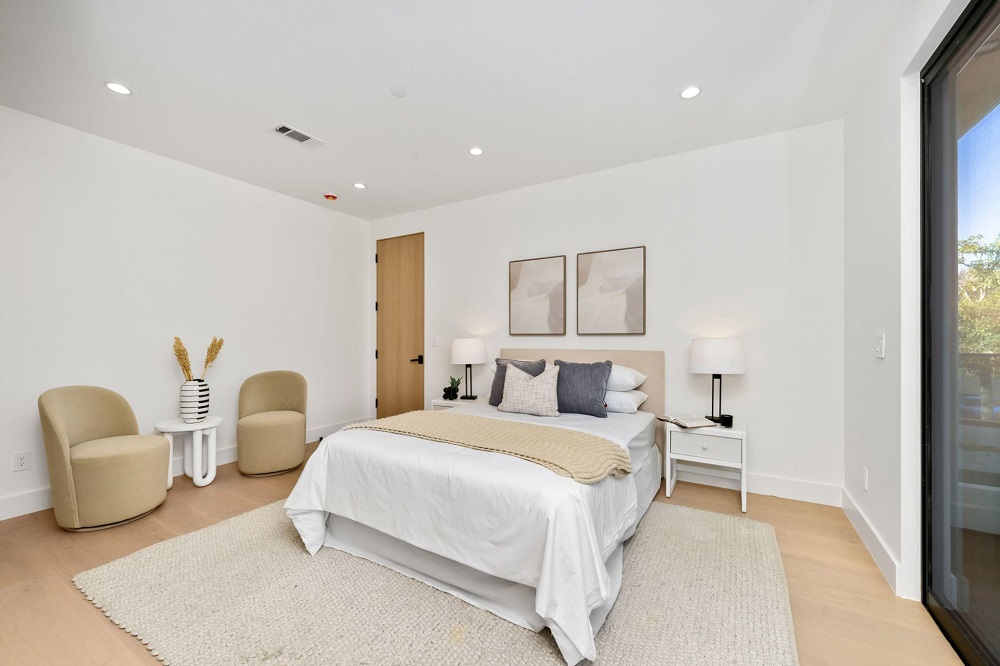
As the world of home decor continuously evolves, new trends emerge that reshape how we approach interior design. With each passing year, homeowners, designers, and trendsetters find fresh ways to transform living spaces into stylish sanctuaries that reflect personal taste and adapt to modern lifestyles. From sustainable materials to bold color choices, the latest trends are about more than just aesthetics—they embrace functionality, sustainability, and the growing desire to make homes feel uniquely personal. This article explores some of the most exciting and transformative decor trends that are influencing interior design today.
1. Sustainability Takes Center Stage
One of the most significant shifts in the world of home decor is the growing emphasis on sustainability. As environmental concerns continue to shape the way we live, many homeowners and designers are opting for eco-friendly materials, energy-efficient solutions, and ethically produced items. Sustainability is no longer a niche trend; it has become a mainstream movement that transforms the very foundation of home decor.
A key element of sustainable design is the use of natural and renewable materials. For instance, bamboo, cork, and reclaimed wood are being used in furniture, flooring, and accessories to create spaces that are both beautiful and environmentally responsible. Additionally, the rise of upcycled and repurposed items allows homeowners to add unique, character-filled pieces to their homes while reducing waste.
Another major development is the growing popularity of energy-efficient home systems and appliances. Smart thermostats, energy-saving light bulbs, and low-flow faucets are just a few examples of how modern homes can reduce their carbon footprints without sacrificing style. These eco-conscious choices not only benefit the environment but can also help homeowners save money in the long run by lowering energy bills.
2. Biophilic Design: Connecting with Nature
Biophilic design, which integrates natural elements into indoor spaces, has become a defining trend in home decor. This approach is based on the idea that humans have an innate connection to nature and that bringing nature indoors can improve well-being, reduce stress, and increase creativity. In response to urbanization and the modern pace of life, biophilic design aims to create calming, restorative environments that foster a sense of tranquility and balance.
One of the easiest ways to incorporate biophilic design is by adding indoor plants to your decor. From large statement plants like the fiddle-leaf fig to smaller succulents and hanging greenery, plants can transform any room by adding a burst of color and life. Not only do plants improve air quality, but their vibrant green tones bring a touch of nature indoors, creating a serene atmosphere.
Beyond plants, biophilic design also embraces natural materials like wood, stone, and wool. These materials are being used in everything from furniture to wall treatments, bringing the outdoors in and creating a grounded, earthy aesthetic. Large windows that let in natural light, open floor plans that encourage a flow of fresh air, and organic textures in textiles and furnishings all contribute to a biophilic-inspired space.
3. Maximalism: Bold, Eclectic, and Personalized
After years of minimalism dominating interior design, maximalism has made a bold return, encouraging homeowners to embrace opulence, bold patterns, and eclectic designs. Maximalism celebrates individuality and creativity, allowing for the free mixing of colors, textures, and styles in a way that feels both luxurious and personal.
In a maximalist home, no item is too bold or too extravagant. Think vibrant color schemes, intricate wallpaper patterns, and richly textured fabrics like velvet, silk, and brocade. Furniture and decor can be layered to create a sense of abundance—oversized mirrors, colorful rugs, statement art, and eclectic collections of vintage items all come together to create a dynamic, one-of-a-kind space.
The key to successful maximalist design is balance. While maximalism celebrates excess, it is important to ensure that each piece feels thoughtfully placed rather than cluttered. It’s about curating a collection of items that speak to your personal style while maintaining a sense of cohesion and flow. Maximalism allows for self-expression, turning your home into an artful collage that reflects your personality and tastes.
4. Multifunctional Furniture: Style Meets Practicality
As urban living becomes more common and available space shrinks, multifunctional furniture has gained popularity as an essential component of modern home decor. The latest trends in multifunctional furniture focus on pieces that are stylish, space-saving, and adaptable to the demands of contemporary life.
From fold-out desks and convertible sofas to modular shelving units and ottomans that double as storage, multifunctional furniture combines practicality with design. These pieces are ideal for small apartments, studio spaces, or homes where every inch of space matters. They allow homeowners to maximize the functionality of their rooms while maintaining a sleek and modern aesthetic.
Modular furniture is particularly on the rise, allowing for greater flexibility in how spaces are configured. Modular sofas, for instance, can be rearranged to suit different needs—whether for lounging, entertaining guests, or even sleeping. Similarly, multifunctional coffee tables with built-in storage or adjustable height can adapt to various activities, from casual dining to working from home.
5. Retro Revival: Nostalgia Meets Modern Design
In recent years, nostalgia has taken hold of the design world, as homeowners and designers are looking to the past for inspiration. The retro revival trend brings back the iconic designs of the ’50s, ’60s, and ’70s, but with a modern twist. From mid-century modern furniture to bold, graphic patterns and vintage lighting, this trend taps into the warmth and charm of past decades while incorporating contemporary elements for a fresh, updated look.
Mid-century modern pieces, such as clean-lined furniture, geometric shapes, and minimalist design, are a staple of the retro revival trend. These items are often paired with bright accent colors like mustard yellow, teal, and burnt orange, which add a playful yet sophisticated vibe to a space. Retro-inspired lighting, such as iconic pendant lamps and geometric chandeliers, also adds a sense of nostalgia while serving as functional decor.
While the retro revival trend draws heavily on past styles, it doesn’t simply replicate them. Instead, it combines elements of vintage design with current materials and modern sensibilities, creating spaces that feel timeless yet contemporary.
6. Art Deco Returns: Glamour and Luxury
Art Deco, a design style that emerged in the early 20th century, is making a strong comeback in home decor. Known for its opulence, bold geometric patterns, and luxurious materials, Art Deco is perfect for those who want to create spaces that exude glamour and sophistication.
The modern iteration of Art Deco incorporates the style’s signature elements—such as mirrored surfaces, lacquered wood, and gold accents—but with a more contemporary sensibility. Sleek, streamlined furniture with angular lines, plush velvet upholstery, and statement lighting fixtures like crystal chandeliers add a sense of drama to any room.
Incorporating Art Deco into your home doesn’t mean going overboard with ornate designs. Instead, it’s about embracing luxurious materials and making bold design choices that elevate the space. Think black-and-white contrast, metallic finishes, and rich textures—all hallmarks of this opulent style.
7. Tech-Infused Spaces: Smart Homes and Seamless Design
As technology continues to advance, the integration of smart devices into home decor has become increasingly prevalent. From voice-controlled lighting and smart thermostats to advanced home security systems and automated window treatments, tech-infused spaces are becoming an integral part of modern living.
However, the key to incorporating technology into home decor is doing so in a way that is both functional and aesthetically pleasing. Many smart devices are now designed to seamlessly blend with existing decor, offering sleek and minimalist designs that don’t disrupt the flow of a room. Smart lighting, for example, can be controlled via an app or voice command, while elegant smart speakers and sound systems enhance both the audio experience and the room’s visual appeal.
Tech-infused spaces also offer convenience, allowing homeowners to control their environment with ease. Automated lighting that adjusts to the time of day, smart thermostats that regulate temperature based on occupancy, and integrated entertainment systems make daily life easier while elevating the overall design of the home.
Conclusion: Transforming Your Home with New Trends
Home decor trends are constantly shifting, reflecting both the changing needs of homeowners and the broader cultural influences of the time. From sustainable design and biophilic elements to maximalism and retro revival, the latest trends offer a wealth of opportunities to refresh your living spaces. Embracing these new trends in decor not only transforms the aesthetic of your home but also enhances its functionality, making it a more comfortable, enjoyable, and personalized environment. Whether you’re redesigning a single room or reimagining your entire home, these trends provide ample inspiration for creating a space that feels contemporary, stylish, and uniquely yours.