
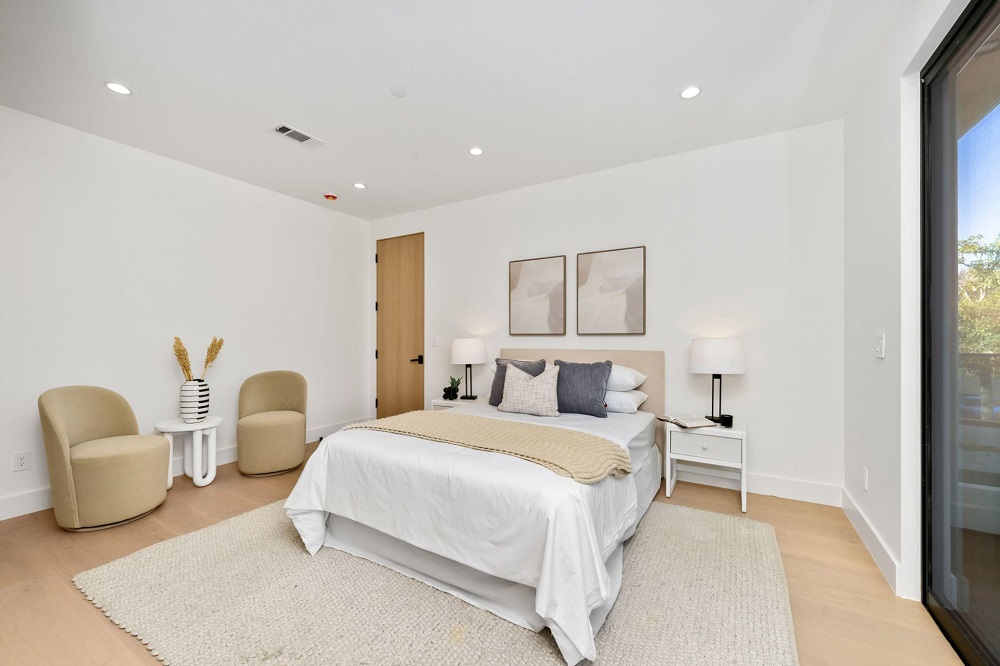
Minimalist interiors are not about emptiness. They are about clarity, balance, and intentional living. A thoughtfully designed minimalist space reduces visual noise, supports relaxation, and creates a calm environment that feels both functional and welcoming.
This guide explores practical minimalist home decor ideas that help transform everyday spaces into peaceful interiors without sacrificing warmth or personality.
Embrace a Neutral Color Palette
Color strongly influences mood. Minimalist interiors rely on soft, neutral shades that promote calmness and visual openness.
Recommended base tones include:
- Warm whites
- Soft beige
- Light greys
- Muted earth tones
Instead of creating contrast through bold colors, minimalist design builds depth using subtle tonal variations and natural textures. Linen cushions, cotton throws, and wooden finishes help prevent the space from feeling sterile.
Limit accent colors to one or two shades only. This keeps the environment visually quiet and cohesive.
Declutter With Purpose, Not Pressure
Minimalism is not about removing everything. It is about keeping what adds value.
Start with these simple steps:
- Remove duplicate decorative items
- Store rarely used objects out of sight
- Keep surfaces mostly clear
- Display only meaningful pieces
A peaceful interior allows the eye to rest. When shelves and tables hold fewer objects, each piece becomes more noticeable and intentional.
Instead of filling empty areas quickly, allow some breathing space to remain.
Choose Functional Furniture With Clean Lines
Furniture defines the structure of a minimalist home.
Look for pieces that are:
- Simple in shape
- Practical in use
- Comfortable without bulkiness
- Made from natural materials
Low-profile sofas, platform beds, and streamlined tables maintain openness in the room. Avoid overly ornate carvings or heavy detailing that interrupts visual flow.
Multi-purpose furniture also supports minimalist living by reducing the need for extra storage pieces.
Use Natural Light as a Design Element
Natural light plays a major role in peaceful interiors. It expands space visually and enhances emotional comfort.
To maximize light:
- Replace heavy curtains with sheer fabrics
- Keep windows unobstructed
- Use mirrors to reflect daylight
- Choose lighter wall colors
Morning sunlight especially contributes to a calm atmosphere and supports a healthier daily rhythm inside the home.
Artificial lighting should remain soft and layered rather than harsh and direct.
Decorate With Natural Materials
Minimalist interiors feel warmer when natural materials are introduced thoughtfully.
Consider incorporating:
- Wooden furniture
- Linen curtains
- Cotton upholstery
- Stone accessories
- Ceramic vases
- Indoor plants
These materials add texture without creating visual clutter. Even a single indoor plant can transform the mood of a room and bring softness into a structured environment.
Keep Walls Simple but Intentional
Empty walls are not unfinished walls. They create calm.
Instead of filling every surface:
- Hang one large artwork instead of several small frames
- Choose black-and-white photography
- Use subtle textured wall panels
- Add a single floating shelf with curated objects
Intentional spacing helps each decorative element stand out while preserving visual clarity.
Create Calm Corners for Daily Rituals
Peaceful interiors support everyday habits such as reading, reflection, or quiet breaks.
Design one small dedicated corner using:
- A comfortable chair
- Soft lighting
- A neutral rug
- A small side table
These zones encourage slower routines and help the home feel restorative rather than purely functional.
Limit Decorative Accessories
Minimalist decor works best when accessories are carefully selected.
Follow this simple guideline:
Quality over quantity
Instead of multiple decorations:
- Choose one sculptural vase
- Add one textured throw blanket
- Display one meaningful object
- Use one statement lamp
Each piece should feel deliberate rather than decorative filler.
Maintain Visual Balance Across Rooms
Consistency helps interiors feel peaceful rather than fragmented.
To create balance:
- Repeat similar materials across spaces
- Maintain a consistent color palette
- Keep furniture proportions aligned
- Avoid mixing too many styles
This approach creates harmony throughout the home and makes transitions between rooms feel seamless.
Introduce Soft Textures for Comfort
Minimalist spaces sometimes appear too sharp without textile layering.
Add softness through:
- Area rugs
- Cushions
- Curtains
- Upholstered seating
Soft textures absorb sound and make interiors feel warmer and more livable without adding clutter.
FAQ Section
What defines minimalist home decor
Minimalist home decor focuses on simplicity, intentional furniture choices, neutral colors, and reducing unnecessary objects while maintaining comfort and functionality.
Can minimalist interiors still feel warm and inviting
Yes. Warmth comes from natural materials, soft lighting, layered textures, and thoughtful placement of meaningful decor rather than excessive decoration.
Is minimalist design suitable for small homes
Minimalist design works especially well in smaller homes because it reduces visual clutter and makes rooms appear larger and more organized.
How many decorative items should a minimalist room include
There is no fixed number, but each item should serve a purpose or hold meaning. A few well-chosen pieces are more effective than many decorative objects.
Are indoor plants appropriate in minimalist interiors
Indoor plants enhance minimalist interiors by adding natural texture, improving air quality, and introducing visual softness without cluttering the space.
What type of lighting works best in minimalist interiors
Soft layered lighting such as floor lamps, warm ceiling lights, and indirect illumination helps maintain a calm atmosphere while avoiding harsh brightness.
How can beginners start creating a minimalist interior
Start by decluttering visible surfaces, choosing a neutral color palette, simplifying furniture layouts, and gradually replacing decorative items with intentional selections over time.


